Here's what nobody tells you about pleasure during antifungal treatment
You start medication for a yeast infection. Your doctor reassures you it'll clear up in days. What they don't mention: your clitoris is about to feel weirdly distant for a while. That's not a sign something's wrong. It's just what happens when your vaginal tissue is actively healing.
Antifungal medications work by stopping fungal growth, which means they're also altering the very environment they're treating. That environment happens to include your pleasure receptors. Understanding what's actually happening makes the adjustment feel less alarming and gives you concrete ways to work with your body instead of against it.
How antifungals change your tissue (the science part, simplified)
Yeast infections inflame vaginal tissue. The tissue swells, gets raw, and oversensitizes nerve endings. It hurts to touch, it itches, and ironically, arousal feels impossible because your body is too busy signaling distress.
Antifungal creams and oral medications kill the fungus. As the infection clears, inflammation drops. Here's where it gets counterintuitive: as swelling goes down, your tissue temporarily becomes thinner and more delicate. The raw nerves also calm down, which feels like numbness even though it's technically healing.
Additionally, antifungals can disrupt your natural vaginal microbiome, even temporarily. That microbiome produces some of the moisture and elasticity your tissue depends on. Oral antifungals like fluconazole work systemically, affecting tissue hydration more broadly. Creams are local but can change lubrication patterns in the short term.
The result: sensation shifts. Pleasure that used to feel sharp and clear might feel muffled. Touch that was comfortable before treatment might now feel either too subtle to register or too intense. This typically lasts 3-10 days after finishing medication, sometimes longer.
Why your clitoral vibrators might feel off
Your clitoris has roughly 8,000 nerve endings concentrated in a space smaller than a pea. When vaginal tissue inflammation changes, clitoral sensation shifts with it. During active infection, stimulation often feels too intense because everything is inflamed. During early treatment and the days after, that same vibration might feel diffused or underwhelming.
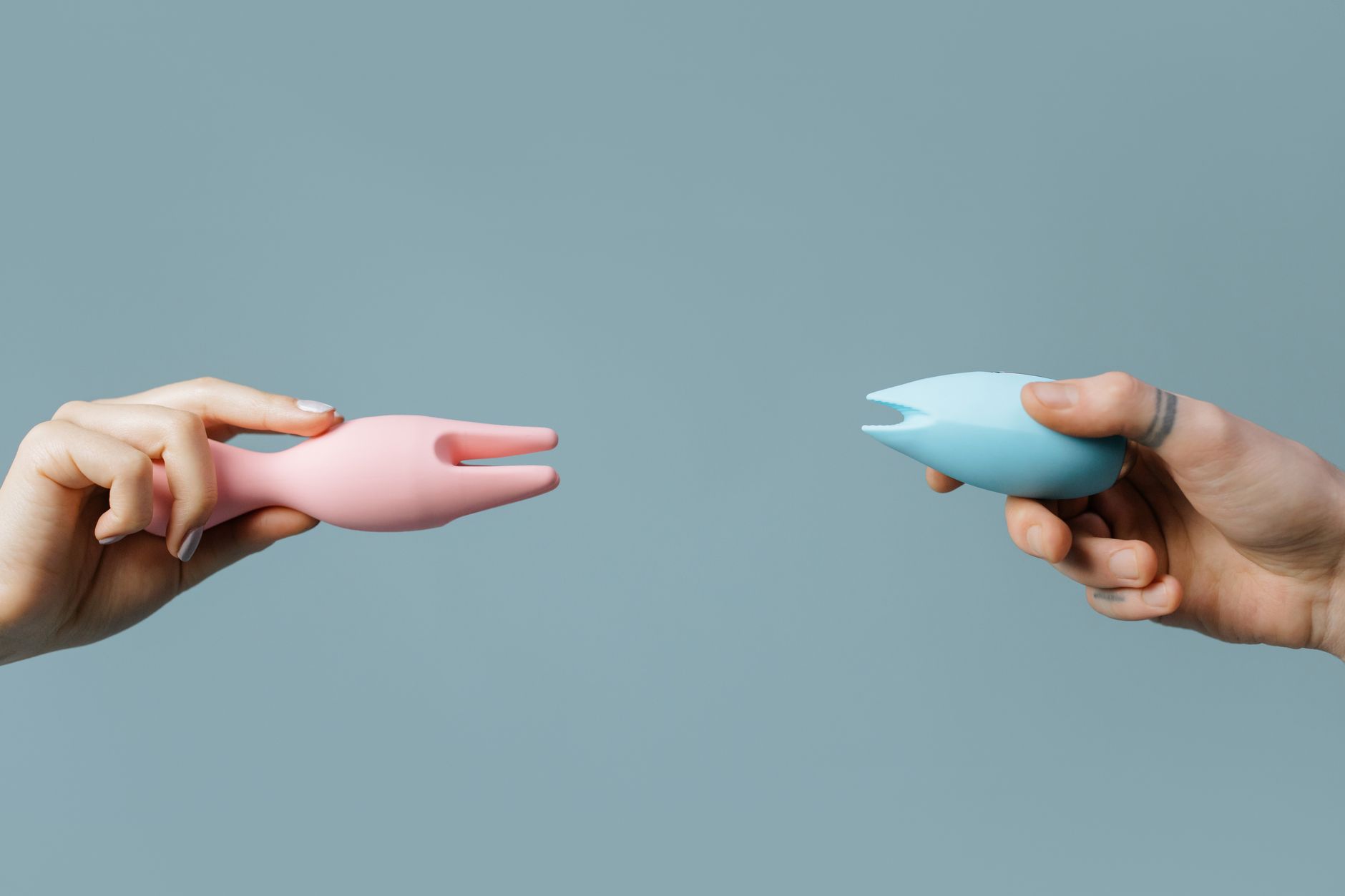
Lemon vibrators and other clitoral vibrators work through suction and vibration. Both rely on your tissue's responsiveness. If your tissue is temporarily numb or overly sensitive, the feedback loop changes. You might need to adjust the pattern, intensity, or even take a break from vibration altogether and return to manual touch.
The good news: this isn't permanent. Your tissue bounces back faster than you'd expect, usually within a week of finishing treatment.
What to expect timeline-wise
Days one through three of treatment: You're still actively infected. Pleasure feels nearly impossible because inflammation makes your body signal pain instead of arousal. This is normal. Skip pleasure pursuits for now. Your body needs rest.
Days four through seven: The medication is working. Infection clears but inflammation is still present. Pleasure starts feeling possible again, but weirdly muted. This is when people often reach for their lemon vibrators or other clitoral vibrators, expecting the usual sensation and then feel disappointed. Manage expectations here.
Days one through five after finishing medication: The tricky window. Inflammation has dropped significantly but your tissue is still recalibrating. Some people report hypersensitivity. Others report the opposite. Lubrication might be lower than baseline. This is also when your microbiome is rebalancing, so sensation can feel genuinely foreign.
Week two onward: Most people report their usual sensation returning. If it doesn't, that's a sign to check in with your provider about whether a secondary issue is present.
How to use clitoral vibrators during treatment
First week of medication: Honestly, skip it. Your body is fighting infection. Adding stimulation just creates competing signals and often feels uncomfortable. Rest is a form of self-care.
Second week (if you're on a two-week treatment) or days four through seven (if you're on shorter treatment): If you want to engage with pleasure, switch your approach. Move away from vibration intensity and toward sensation exploration. Use your lemon vibrator on the lowest setting, or consider hand stimulation instead. You're not trying to reach orgasm. You're testing what your body feels like right now.
Use more lubrication than you normally would. Even though antifungals kill the fungus causing problems, they often leave your tissue temporarily drier. Water-based lubricant helps your vibrator glide without creating friction on delicate healing tissue. It also helps you feel sensation more clearly because you're not fighting dryness.
Consider shorter sessions. Your endurance might be lower than usual because your tissue is still healing. Fifteen minutes instead of thirty. Two patterns instead of five. Your nervous system will signal when it's had enough. Listen to it.
After finishing medication: Give yourself three to five days before jumping back to your usual routine. When you do return to your lemon clitoral vibrator, start with patterns you know feel good but at slightly lower intensity than normal. Let your body reorient to sensation. Most people report full sensation recovery within a week.
Why sensation might feel strange even after infection clears
Yeast infections don't just affect the vagina. They affect your entire pelvic floor. During infection, your pelvic floor often tenses protectively. That tension persists even after the infection clears because your nervous system hasn't gotten the all-clear signal yet.
A tense pelvic floor restricts blood flow to your clitoris. Restricted blood flow means reduced sensation. This isn't permanent, but it's real. Pelvic floor relaxation techniques can help. Deep breathing, slow penetration (if that feels okay), and actually resting from stimulation for a few days all help your pelvic floor reset.
Some people also experience psychological tension after infection. Yeast infections can feel embarrassing or create anxiety about cleanliness or sexuality. That anxiety tightens everything up. If you notice your pleasure feels guarded or your body feels tense, that might be part of what's happening. It's worth acknowledging alongside the physical changes.
When to reach back out to your provider
If sensation doesn't return within two weeks of finishing treatment, check in. Sometimes a second infection follows the first. Sometimes the medication didn't fully clear the original infection. Either way, your provider needs to know.
If you're experiencing pain during pleasure attempts (not discomfort, but pain), that's also worth flagging. Antifungals can occasionally cause contact irritation or allergic reactions that feel like continued infection.
If you're noticing recurrent infections, ask about whether your current medication is causing secondary yeast issues or whether an underlying factor needs addressing. Some oral antifungals can disrupt your microbiome in ways that make you vulnerable to reinfection. Your provider might suggest switching approaches.
The bigger picture
Your body is resilient. Antifungal treatment works. The temporary shift in sensation during and after treatment is your tissue actively healing, not breaking. Most people report full sensation recovery and actually feel better post-treatment than they did before infection because inflammation is gone.
Your lemon vibrator will feel normal again. Your pleasure will return. The adjustment window is real but temporary. Being patient with your body during healing isn't settling. It's the fastest path back to the sensation you love.
People also ask
Can I use my lemon vibrator while actively treating a yeast infection?
Technically yes, but strategically no. Active infection means your tissue is inflamed and sensitive. Adding vibration creates competing signals and usually feels uncomfortable. Most people find that resting from vibration for the first week or so actually speeds up recovery because their nervous system isn't managing both infection and stimulation signals. Once inflammation drops (usually around day four), gentle exploration is fine. Save intensity for after you've finished medication.
Will antifungals permanently change how my clitoris feels?
No. Once treatment is complete and your tissue has healed, sensation returns to baseline. The shift is temporary. Most people report full sensation recovery within seven to fourteen days of finishing medication. If sensation doesn't return after two weeks, that's worth mentioning to your provider because it might signal something else is present.
Should I use a different kind of vibrator during treatment?
Not necessarily a different vibrator, but a different intensity level. Your lemon clitoral vibrator or any other clitoral vibrator works fine. Just dial back to pattern one or two and use extra lubricant. You're not trying to reach maximum sensation. You're gently checking in with your body. Lower intensity is actually more informative during healing because you can feel subtler shifts in how your tissue is responding.
Is reduced sensation during treatment a sign the medication isn't working?
Not at all. Reduced sensation is often a sign treatment IS working because inflammation is dropping. Inflamed tissue oversensitizes nerves. As inflammation clears, sensation normalizes. This can feel like numbness in the short term, but it's actually healing. By the second week after finishing medication, most people feel clearer, more balanced sensation than they did before infection.
How much extra lubrication should I use during and after treatment?
More than you'd normally use. Antifungals tend to lower vaginal lubrication temporarily. Add water-based lubricant generously. It's not just for comfort. It helps your lemon vibrator glide smoothly over healing tissue without creating friction, and it actually helps you feel sensation more clearly because you're not fighting dryness. Quality water-based lubricants also support your microbiome rebalancing by providing a non-irritating interface.
Can antifungals cause long-term changes to how pleasure feels?
Short answer: no. Long answer: antifungals target fungal cells specifically. They don't structurally alter your tissue permanently. However, if you're experiencing recurrent infections and cycling through multiple rounds of antifungals, that pattern can create stress on your tissue. If recurrence is happening, work with your provider to address the underlying cause (dietary factors, partner transmission, microbiome imbalance) rather than just treating each infection as it appears. That prevents the compounding effect.
When your body needs more support
If you're dealing with repeated infections, consider working with a provider who specializes in vaginal microbiome health. Sometimes the issue isn't just the infection itself but what's creating a pattern. Dietary shifts, probiotic support, or addressing other factors can prevent the cycle.
If you feel emotionally disconnected from pleasure after infection, that's real too. Infection can create body anxiety. Taking time to reconnect without pressure helps. Some people find that gentle self-touch before returning to vibrators helps them feel grounded again.
Your pleasure matters even during treatment. That's not selfish. It's an important part of your overall wellbeing. Being informed about how antifungals affect sensation means you can navigate the temporary shift with confidence instead of worry. And that confidence carries forward into your recovery.
For more on how medication and treatment affect pleasure, check out our guide on how to use lemon vibrators after starting new medications. If you're managing other physical challenges alongside treatment, we also have resources on using lemon vibrators when sex feels physically uncomfortable.
You deserve pleasure that feels good. Even during healing.