Here's the thing nobody says out loud
Sex hurting doesn't mean something is broken about you. It means something needs to shift. Physical discomfort during intimacy is common enough that I see it regularly in couples work, yet it's one of the least discussed friction points in relationships. People blame themselves, blame their partners, or just stop trying. None of those are solutions.
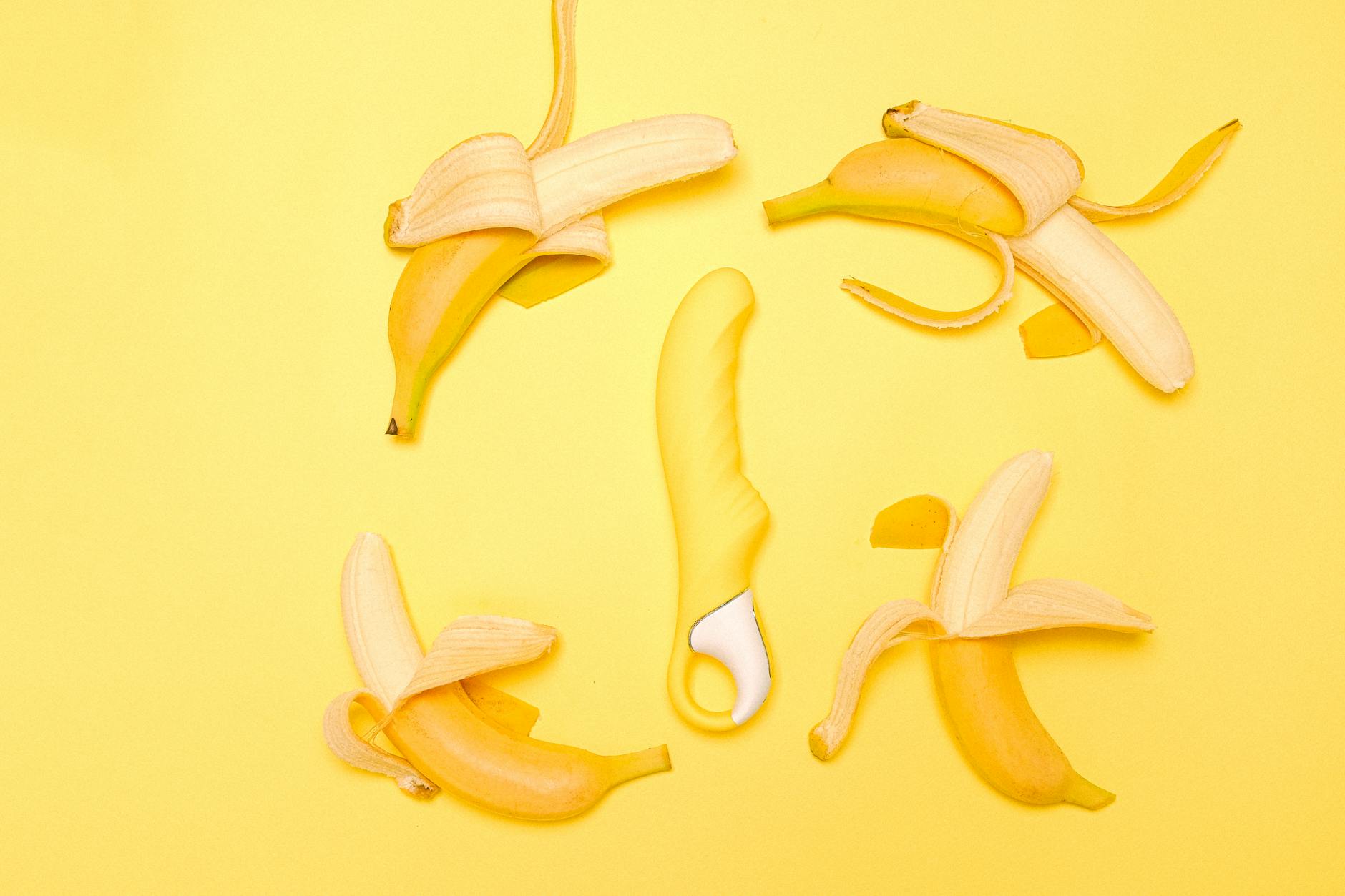
Lemon vibrators and other clitoral vibrators work differently than friction-based stimulation. They use suction and gentle pulsation instead of direct pressure, which changes everything for people dealing with physical discomfort. This isn't about working around the problem. It's about finding a path to pleasure that actually fits your body right now.
Why physical discomfort happens during sex
Discomfort during sex has multiple causes, and they rarely announce themselves clearly. The most common culprits.
Tension and guarding. When you anticipate pain, your pelvic floor muscles clench. That clenching creates the very tension that makes penetration or direct pressure uncomfortable. It's a feedback loop. You brace for pain, which makes pain more likely, which makes you brace harder next time.
Insufficient arousal or lubrication. This isn't always about age or hormones. Stress, disconnection from your partner, medication side effects, or simply not enough time spent on foreplay can leave you under-lubricated. Dry tissue is sensitive tissue.
Nerve sensitivity or inflammation. Vulvodynia, vestibulodynia, and other pain conditions affect the nerve endings around the vulva. For people with these conditions, direct friction feels raw or burning, while gentler stimulation methods work fine.
Relationship tension. I can't overstate this one. When there's unresolved conflict, resentment, or disconnection with your partner, your body often refuses to relax. Trust and arousal are deeply linked. Your nervous system knows.
Medical factors. Endometriosis, pelvic inflammatory disease, or recovering from childbirth can all cause discomfort. These need professional attention. But while you're addressing them medically, a lemon vibrator can help you stay connected to pleasure.
How lemon sucker design changes the equation
The difference between a traditional vibrator and a lemon clitoral vibrator is the difference between rubbing and suctioning. A standard vibrator relies on direct, often intense contact with sensitive tissue. A lemon vibrator uses gentle suction combined with pulsation, which stimulates nerves without the same friction-based pressure.
This matters when your body is protecting itself from pain. Direct touch can feel raw or overwhelming. Suction feels like a softer, more dispersed sensation. Many people describe it as less intense but somehow more effective. You're not working against tension. You're inviting arousal without triggering the guarding response.
The Hello Nancy Lem, for example, offers adjustable intensity levels starting very low. You can begin at pattern one or two, which is gentle enough that it rarely triggers discomfort even in sensitive bodies. You control the pace. You decide when and if to turn up intensity.
The solo practice first approach
Before bringing a lemon vibrator into partnered sex, I recommend solo exploration. This is where you learn your own body without the performance pressure or self-consciousness that often comes with a partner present. Solo sessions also tell you important things about what works and what doesn't.
Start in a space where you feel completely safe. No time limit. No goal of orgasm. Simply exploring sensation. Use a water-based lubricant even for solo play, especially if discomfort has been an issue. Lubrication isn't a sign of failure. It's a tool that changes how nerve endings respond.
Begin with the lemon vibrator on its lowest setting. Experiment with placement. Some people find direct clitoral contact feels too intense and prefer stimulation around the area instead. Others want indirect contact at first, then work up to direct touch as they relax. There's no standard. Your body is the expert.
Notice what happens to your breath and your pelvic floor as you explore. Are you holding tension? Can you consciously soften? Breathing deeply and deliberately relaxing your pelvic floor while using the vibrator teaches your nervous system that pleasure doesn't require bracing.
Bringing it into partnered intimacy
Once you've practiced solo, introducing a lemon clitoral vibrator with your partner can feel less vulnerable. You already know what works. You're not discovering yourself in front of an audience.
Talk about it first, outside the bedroom. Not as a problem you need to solve, but as a tool you want to try. If your partner has been worried that your discomfort is about attraction or connection, this conversation matters. Explain what you've learned: that suction-based stimulation feels different and better. That you want to expand what pleasure is available to you both.
During partnered sex, the lemon vibrator can be a tool either of you holds. Some couples use it for solo play in front of each other, which maintains intimacy without friction that causes pain. Others use it during partnered touch, where one partner holds it while the other receives stimulation. Some use it for foreplay while navigating intercourse differently.
The key is removing the pressure for one specific type of sex. When discomfort is on the table, variety becomes your friend. Some nights you might focus on non-penetrative touch with a vibrator. Other nights might involve different positions that feel more comfortable. Different approaches for different days.
Creating an environment where relaxation is possible
Here's what I tell couples: your nervous system can't relax into pleasure when it's busy managing stress. That means the physical setup matters.
Take time before sex. Not rushing from dishes to the bedroom at 11 p.m. Genuinely transitioning. A shower or bath, dimmed light, whatever signals to your body that this is sacred time. When discomfort is in play, your nervous system is already cautious. It needs reassurance from the environment.
Communication during sex changes too. When discomfort is possible, you need to stay in touch. Check in: "Does this feel good?" "Want me to go slower?" "Should we try something different?" This isn't clinical. It's caring. And it paradoxically creates more intimacy, not less. Your partner knows your pleasure matters. You're not pretending to feel something you don't.
Lubrication should be abundant, not an afterthought. Water-based lubricants work best if you're using silicone toys like the lemon vibrators from Hello Nancy. Reapply as needed. More lubrication is never a sign of a problem. It's a sign you're respecting what your body needs.
When professional support is necessary
A lemon vibrator can help you reconnect with pleasure, but it's not a substitute for medical or therapeutic care. If discomfort is severe, persistent, or worsening, see a doctor. Vulvodynia, vaginismus, endometriosis, and pelvic floor dysfunction are real diagnoses with real treatments. Getting properly evaluated removes the guesswork.
Similarly, if discomfort is tied to relationship trauma, anxiety, or a history of painful sex, working with a sex therapist or trauma-informed therapist can be transformative. Sometimes the body guards against pain because something emotionally unsafe happened. A vibrator helps, but healing the underlying issue matters too.
The two aren't either-or. You can see a doctor and use a lemon vibrator. You can work with a therapist and explore pleasure tools. Most of the time, that combination approach works best.
FAQ
Can a lemon vibrator help if I have vaginismus?
Vaginismus is involuntary pelvic floor tightening. A lemon vibrator can help by offering stimulation that doesn't trigger the guarding response, but vaginismus typically needs graduated exposure therapy and pelvic floor physical therapy. Many people find that as they work with a therapist and learn to relax their pelvic floor, a gentle clitoral vibrator becomes a helpful tool for pleasure alongside the clinical work. Talk to your doctor or a pelvic floor specialist first.
What if the vibrator itself feels too intense?
Start at the absolute lowest setting. Some lemon vibrators like the Hello Nancy Lem have very gentle starting patterns. If even those feel like too much, try using the vibrator over clothing or with a cloth barrier between it and your skin. You can also practice with the vibrator off, just getting used to the sensation of being touched in that area. Desensitization takes time, and that's okay.
Can I use a lemon vibrator if I'm on hormonal birth control?
Yes. Hormonal birth control doesn't make vibrators unsafe. However, some people find their sensitivity changes on hormonal contraceptives. If you notice reduced sensation, a lemon clitoral vibrator's suction design often works better than traditional vibrators, because it creates a different type of stimulation that doesn't rely on the same nerve sensitivity.
Should I tell my partner about the discomfort before using a vibrator?
Yes. Withholding information about physical discomfort often leads partners to misinterpret the situation. They might think it's about attraction, or they might not realize something is wrong at all. A simple conversation like "I want to explore different ways to have pleasure that feel better for my body" opens the door without blame or shame.
How do I know if my discomfort is normal or a sign of something serious?
Normal discomfort is usually situational. It happens during specific activities or when you're stressed, and it improves with changes like more foreplay, lubrication, or stress reduction. Serious concerns include pain that's sharp, burning, or constant regardless of arousal level, pain that's worsening over time, or bleeding. Those warrant a doctor's visit. When in doubt, get it checked.
Will using a lemon vibrator make me unable to enjoy other types of touch?
No. Using a clitoral vibrator doesn't desensitize you to other stimulation, despite the myth. In fact, people often find the opposite. Once you reconnect with pleasure through a method that works, you become more confident and relaxed during other activities. Relaxation itself improves sensation.
Moving forward
Physical discomfort during sex is solvable. It takes information, the right tools, communication, and sometimes professional support. But you don't have to accept that sex has to hurt. A lemon vibrator is one way to reclaim pleasure on terms your body actually accepts. If you're ready to explore what works for you, start with solo practice, talk to your partner, and give yourself permission to build intimacy differently than you might have before. Your pleasure matters. Your comfort matters. Both are possible at the same time.