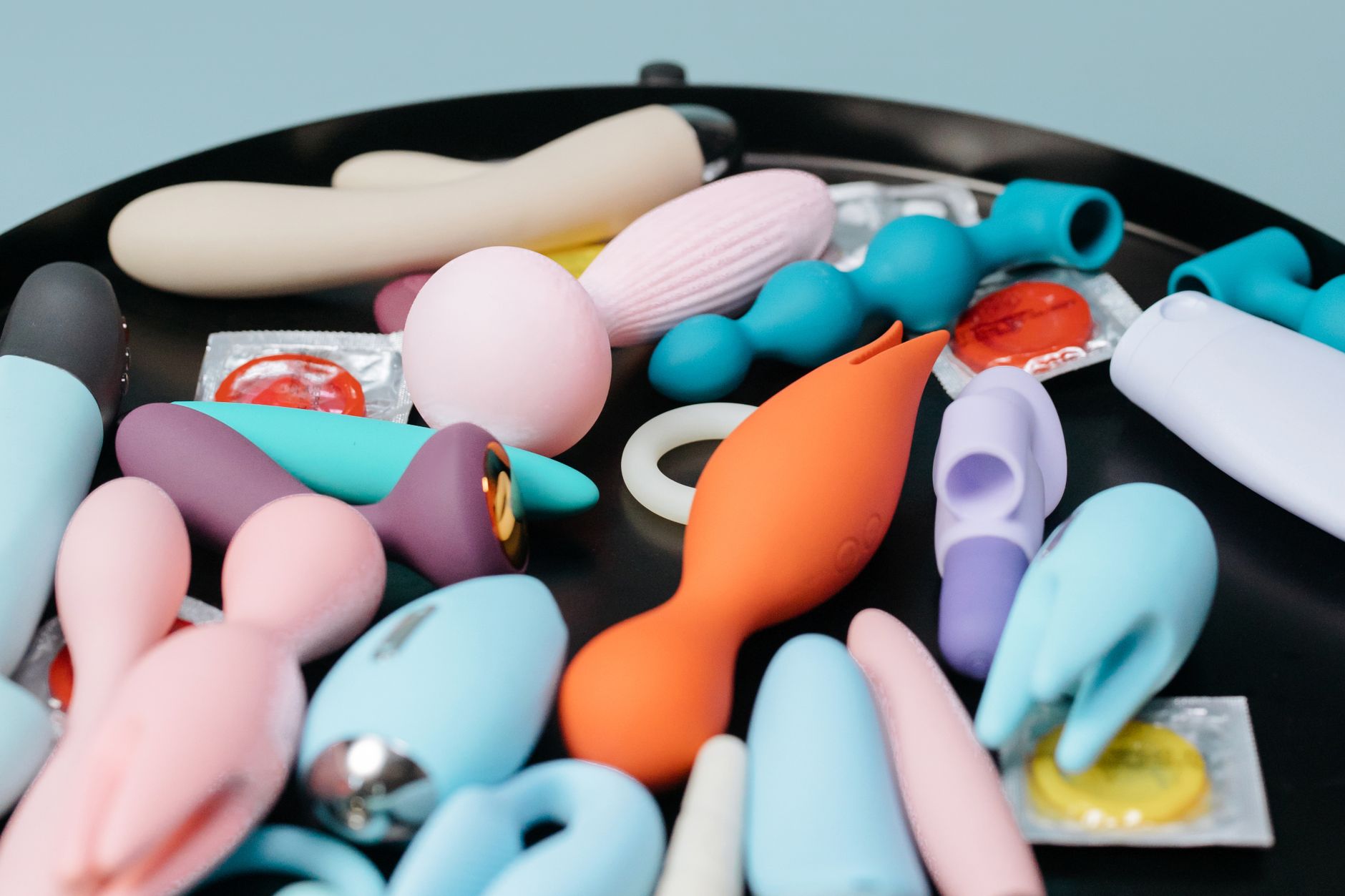
Let's talk about what your body's actually doing
Here's the thing nobody tells you: pleasure doesn't peak at 22 and decline from there. Your body changes, yes. But change doesn't mean worse. Between your early thirties and mid-forties, your nervous system, skin, hormones, and even your clitoral anatomy shift in ways that can make tools like lemon vibrators and lemon suckers work differently than they did in your twenties. Often better.
I've worked with hundreds of people navigating this transition, and the pattern is consistent. Women in their thirties and forties report that they're having more intense orgasms, discovering new types of pleasure, and finally understanding what actually works for their bodies. The shift isn't random. It's physiological, and understanding it changes everything.
What actually changes in your thirties
Your skin gets thicker. This sounds minor, but it's not. The vulva has the thinnest skin on your entire body. In your twenties, that skin is delicate and highly reactive. By your mid-thirties, the dermis thickens by about 20 percent. Collagen increases. Your skin becomes slightly less translucent and more resilient.
What this means for pleasure: you can handle more direct stimulation. Many people find that they need firmer pressure as they move through their thirties. A lemon clitoral vibrator or lemon sucker that felt too intense at 25 might feel perfect at 35.
Your clitoral glans also undergoes subtle changes. The tissue doesn't shrink. But the nerve endings redistribute slightly, and the relationship between pressure and sensation shifts. You're not losing sensitivity. You're gaining specificity. Your clit knows what it wants now.
Hormone cycles also stabilize. Between 30 and 40, your estrogen and progesterone are on a more predictable rhythm than they were in your twenties, when fluctuations could be wildly erratic. This means your baseline arousal is more consistent. Lemon vibrators and other clitoral toys feel more reliable because your body is more reliable.
Why sensation intensifies as you age
Here's where it gets interesting. Your brain is rewiring itself.
Neuroplasticity doesn't stop at 25. In your thirties and forties, you've accumulated thousands of hours of experience. Your brain has mapped your body's pleasure pathways more precisely. When you use a lemon sucker or any clitoral vibrator, your nervous system knows exactly what to do with the stimulation. There's no learning curve. There's just response.
The anticipation also changes. You're not wondering if you can orgasm anymore. You know you can. You know how. This removes a layer of performance anxiety that often sits underneath pleasure in your twenties. Without that weight, sensation becomes clearer.
Your orgasms can also become more layered. Many people in their thirties report that orgasms have depth now. Multiple waves. Different intensities in different parts of the vulva. A lemon clitoral vibrator might trigger a surface orgasm in the head of the clitoris, while a lemon sucker, which works via suction rather than vibration, can create a deeper, more internal sensation. You start recognizing the difference.
Pelvic floor changes and what they mean
Your pelvic floor is a muscle. And like all muscles, it evolves. Between your early thirties and mid-forties, if you've had children, the pelvic floor has potentially stretched and rebuilt. If you haven't, it's still changing in subtle ways: gaining tone, sometimes tightening, sometimes loosening.
This affects how vibration and suction feel. If your pelvic floor has become slightly tighter or more aware, a lemon vibrator might create more internal sensation than it did before. If it's looser, you might need longer warm-up time or a different type of stimulation altogether. Neither is worse. Both are just information.
Kegel exercises also become more valuable in your thirties. Not because your pelvic floor is weak, but because the feedback loop improves. You can feel your contractions more clearly. You can use them to intensify sensation. Many of my clients report that combining pelvic floor engagement with lemon suckers or other clitoral vibrators creates sensations they'd never experienced before.
Lubrication and arousal timing
Your twenties had a particular gift: speed. Arousal could happen in minutes. Lubrication was abundant and immediate.
In your thirties and forties, the timeline changes. Arousal might take 15 to 25 minutes instead of 5. Lubrication might need a hand from a water-based lube. This isn't dysfunction. It's just biology. And honestly, the slower burn is often more satisfying.
Here's what I tell my clients: use this. Budget the time. Start the warm-up earlier. Your nervous system is more responsive to foreplay and buildup now. You're not racing to an orgasm you already know will happen. You're exploring one you've earned the luxury of savoring.
Lemon vibrators and lemon clitoral toys actually shine here because they require less of your body and more of your attention. You're not generating the stimulation yourself. The toy is. This frees your nervous system to simply feel, which makes arousal deeper and more nuanced.
Sensitivity patterns across your cycle
In your twenties, hormonal fluctuations could feel chaotic. Your period might arrive with no warning. Your libido might spike and crash unpredictably.
By your thirties, most people can feel their cycle. You know which days your clitoris is more sensitive. You know when you want deeper pressure versus lighter touch. You know when a lemon sucker will feel amazing and when you'd rather have a lemon vibrator instead.
This pattern recognition transforms how you use tools. Instead of reaching for the same clitoral vibrator every time, you're making choices. On high-sensitivity days, you might start on pattern one. On lower-sensitivity days, you jump to three. On mid-cycle, you might prefer suction over vibration. You're no longer just using a toy. You're having a conversation with your body.
Why first-time users often get it wrong
Many people pick up a lemon clitoral vibrator in their thirties or forties for the first time. They often report being surprised by how different it feels than they expected. Sometimes they think something's wrong. Usually it's just that their body has changed since they last thought about external stimulation.
If you're returning to pleasure after years away, or exploring clitoral toys for the first time as an adult, give yourself space to learn your body again. The lemon sucker design works via gentle suction and pulsing patterns, which is very different from direct vibration. Some people find it more intense. Some find it gentler. Neither response is wrong. It's just your nervous system being honest about what it likes now.
Many of my clients also report that they finally understand why certain techniques work now that they've done the internal work around shame and permission. Pleasure at 35 often feels different psychologically because you've stopped apologizing for it.
When to lean on support
If you're noticing that pleasure has dimmed significantly, or that you're experiencing pain or numbness that wasn't there before, check in with yourself first. Are you stressed? Dealing with a health change? Taking new medications? Often, shifts in sensation point to something else happening in your life.
If those variables are stable and something still feels off, a conversation with your gynecologist is worth it. Sometimes a simple nutrient deficiency or a medication adjustment can restore sensation. Sometimes it's just that your body needs a different type of stimulation than it did at 25.
The good news: in your thirties and forties, you know how to ask for what you need. Use that. Whether you're exploring lemon vibrators for the first time or rediscovering pleasure after years, your age is an asset, not a liability.
FAQs: What people actually ask about pleasure after 30
Do clitoral vibrators feel less intense as you age?
Not necessarily. What changes is your threshold and your preference. Many people find that they actually want more intense stimulation in their thirties because their skin has thickened and their nerve endings have redistributed. Others find that they prefer subtlety and nuance. Lemon clitoral vibrators come with multiple patterns and intensity levels, which gives you the flexibility to match your current body instead of chasing what worked at 22.
Is it normal for a lemon sucker to feel completely different than a regular vibrator?
Completely normal. A lemon sucker uses gentle suction and pulsing rather than direct vibration. Many people describe it as deeper, more internal, sometimes slower-building. Some prefer it to traditional vibration. Some don't. Your preference isn't universal. It's just yours. Try both styles and notice what your body actually wants.
Will sensitivity change again as I move toward menopause?
Yes, it will shift again. But "change" doesn't mean "decline." Many people report that their most intense orgasms happen in their forties and fifties. What does change is the warm-up time and sometimes the type of stimulation you prefer. That's information your body's giving you. Use it. Tools like lemon vibrators are flexible enough to adapt with you.
Can I use the same lemon clitoral vibrator I used in my twenties?
You can, but you might want to explore new patterns or intensity levels as you age. Your body's feedback has probably changed. What felt overwhelming at 24 might feel perfect at 35. What felt underwhelming might now feel too intense. Treat your toy rotation like you treat your skincare. Update it as your body evolves.
Does taking antidepressants or birth control change how vibrators feel?
Absolutely. Medications alter blood flow, hormones, and nerve sensitivity. If you've started or changed medications since you last used a clitoral vibrator, give yourself a learning period. Your body hasn't forgotten how to feel pleasure. It's just working with different chemistry. You might need longer warm-up time, a different intensity level, or a different type of stimulation. That's not a problem. It's an adjustment.
How do I know if I'm experiencing actual numbness or just normal aging?
Normal aging with a lemon vibrator or any clitoral toy usually means your warm-up time is longer and your preferences are clearer. Actual numbness means you feel almost nothing, even with sustained stimulation and proper warm-up. If numbness is new and significant, get it checked out. Sometimes it points to a medication side effect, a nutritional deficiency, or a nerve issue that's worth addressing. Other times it's just your body asking for a different approach to pleasure.
Here's what I know from years of working with people navigating this transition
Your thirties and forties are not a decline in pleasure. They're a mastery phase. Your body knows itself. Your mind is quieter. Your preferences are clear. Lemon vibrators, lemon suckers, and any other tools you choose will feel different than they did at 22 because you're different. And different is almost always better.
Your sensitivity hasn't disappeared. It's evolved. Your capacity for pleasure hasn't peaked. It's deepening. If you're curious about exploring what your body can actually do now, without the noise and performance pressure of your twenties, I'd start there. You've earned the space to be selfish about pleasure. Use it.
Ready to explore? Our guides on how to use lemon vibrators for different types of orgasms and how hormonal changes affect your lemon vibrator sensitivity dig deeper into the specifics. Or if you're still navigating what works for your body right now, get in touch. We're here.