
How Hormonal Changes Affect Your Lemon Vibrator Sensitivity
Let's be real: your body doesn't feel the same every day. One week, the lemon vibrator's lowest pattern feels perfect. Two weeks later, even the highest intensity barely registers. You're not broken. Your hormones are just talking, and your clitoris is listening.
Hormonal fluctuations reshape how you experience pleasure. They alter nerve sensitivity, blood flow to the clitoris, and how quickly your body builds arousal. And because clitoral vibrators like the Lem work by creating precise suction and stimulation directly on sensitive tissue, hormonal shifts change the entire experience.
Understanding this isn't just trivia. It's the difference between thinking your body is failing you and actually tuning your technique to what works right now.
How your menstrual cycle affects clitoral sensitivity
Your clitoris swells and shrinks throughout your cycle. No, seriously. Estrogen and progesterone regulate blood flow to genital tissue, which means the clitoris gets engorged during certain phases and less so during others.
During the follicular phase (days 1-14 of your cycle, roughly), estrogen rises and your clitoris becomes more prominent. The tissue firms up and blood flow increases. This is why many people report higher sensitivity during and right after their period, and again around ovulation. A lemon vibrator's suction is incredibly effective here because the tissue is more responsive.
During the luteal phase (days 14-28), progesterone climbs and estrogen dips. The clitoris retracts slightly and becomes less engorged. The same intensity that felt amazing last week now feels either muted or, paradoxically, more overwhelming. Some people find they need a gentler approach. Others need more sustained stimulation. Both are completely normal.
The trick is recognizing this isn't failure. It's biology. A clitoral vibrator works with your body's natural rhythm, not against it. During high-sensitivity weeks, patterns 2 and 3 on the Lem might be plenty. During lower-sensitivity phases, you might explore patterns 4 and 5, or extend your warm-up time.
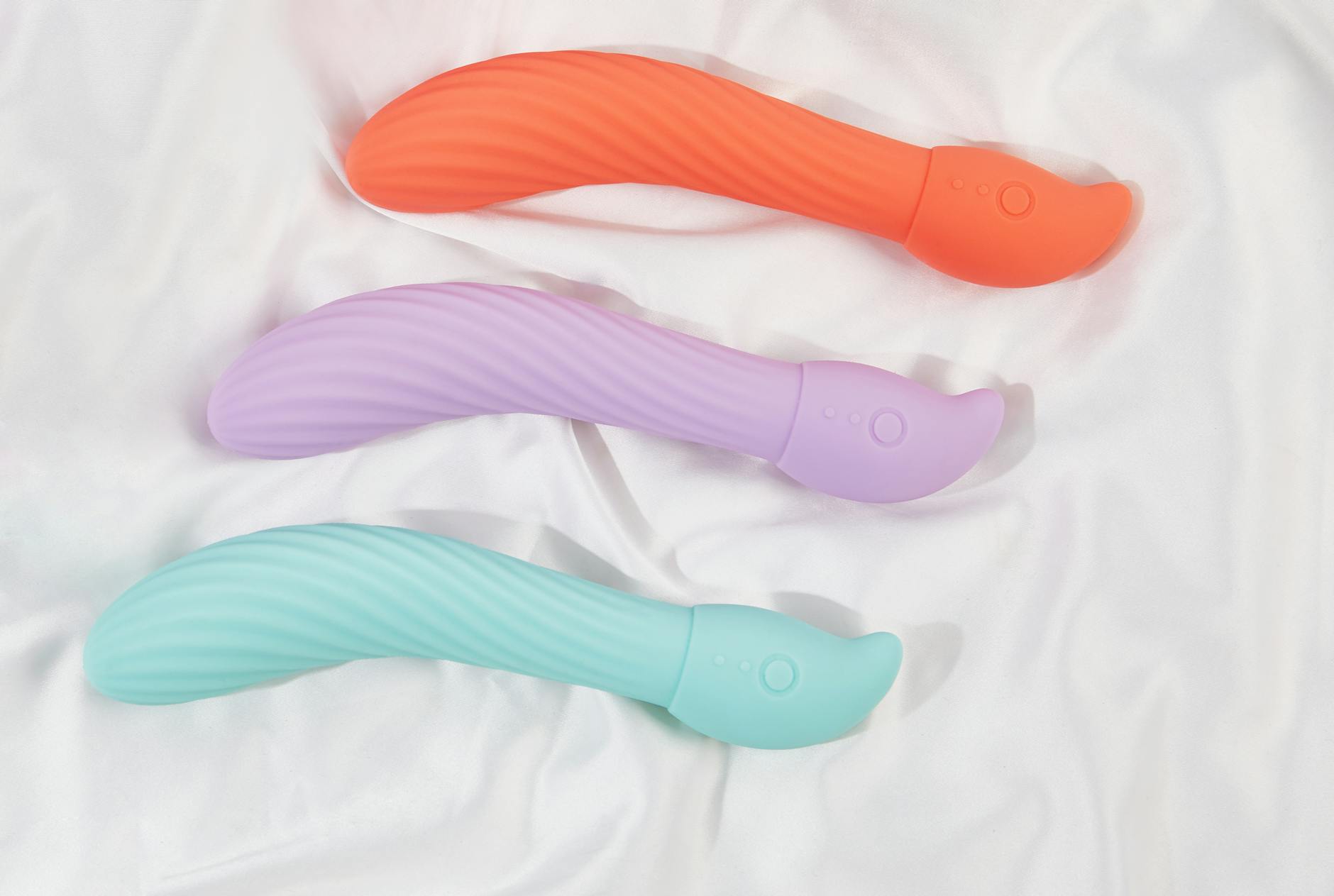
Photo by IFONNX Toys on Pexels
Stress hormones and clitoral responsiveness
Cortisol, your stress hormone, is a pleasure killer. When cortisol stays elevated, your body redirects blood away from the clitoris and toward major muscle groups. This is ancient survival wiring: your nervous system doesn't prioritize pleasure when it thinks you're in danger.
This is why you might have explosive orgasms during a calm vacation and struggle to orgasm at all during a high-stress deadline week. It's not that your body has changed. It's that your nervous system is running a different program.
Here's what matters: if you notice your clitoral sensitivity dips during stressful periods, lemon vibrators can actually help. Because they work through suction rather than vibration alone, they require less manual effort and less mental focus. You can relax into the sensation rather than work for it. Some people find that using a suction vibrator actually helps downregulate their nervous system, making orgasm more accessible during high-stress times.
What happens to sensitivity during and after perimenopause
Perimenopause is the 4-10 year stretch before your last period when hormones start their goodbye tour. Estrogen and progesterone fluctuate wildly, sometimes multiple times in a single week. This means your clitoral sensitivity is basically on a mood ring.
During this phase, you might experience heightened sensitivity one day and complete numbness the next. This can be deeply frustrating, especially if you've had consistent pleasure for decades. But here's the thing: it's temporary, and it's treatable.
Most people find that <a href="/blog/why-lemon-vibrators-feel-better-after-menopause">lemon vibrators feel better after menopause</a> because once hormones stabilize, you finally know what baseline you're working from. But during perimenopause, the variability is the feature, not a bug. You're learning your body under new conditions.
Try tracking your sensitivity on a simple scale (low, medium, high) for two cycles. You'll almost certainly see a pattern emerge. Maybe you're most sensitive days 5-7 of your cycle and days 19-21. Once you see the pattern, you can plan accordingly.
Hormonal birth control and clitoral sensation
Birth control pills, patches, and hormonal IUDs suppress your natural cycle by keeping hormones artificially steady. This has a major advantage: predictable sensitivity. Some people find this liberating because they're not riding the roller coaster of monthly changes.
But it also means baseline sensitivity is different. Synthetic estrogen and progestin don't create the same peaks and valleys as your natural cycle, so your clitoris stays at a kind of midpoint responsiveness. For many people, this feels like slightly reduced sensitivity compared to their natural cycle high points, but increased consistency.
If you're on hormonal birth control and find lemon vibrators feel less effective than you'd hoped, this might be why. The solution isn't to change your contraception (that's a conversation with your doctor), but to adjust your expectations and technique. You might need longer warm-up time or a pattern you didn't need before.
Thyroid function and arousal sensitivity
Your thyroid hormones regulate your metabolism and, surprisingly, your sexual response. Hypothyroidism (underactive thyroid) causes decreased blood flow to the genitals and lower dopamine, both of which tank arousal and sensitivity. Hyperthyroidism can cause anxiety and racing heart, which also interferes with the calm needed for good sensation.
If you've noticed a sudden, sustained drop in clitoral sensitivity that doesn't follow your cycle and isn't explained by stress, consider asking your doctor for thyroid labs. This is often overlooked because sensitivity changes are assumed to be purely psychological or related to relationship factors. But thyroid function genuinely changes how your body responds to touch.
How to tune your lemon vibrator to your current sensitivity
Here's the practical stuff.
Start by experimenting with which pattern works best during your highest-sensitivity phase (usually around ovulation for people with cycles). Note it. Then, when sensitivity dips, try starting there and moving to a higher pattern if needed, rather than jumping straight to the highest settings.
Warm-up time matters more when sensitivity is lower. Spend 15-20 minutes with foreplay, fantasy, or gentle touch before using your lemon vibrator. This primes your nervous system and gives your clitoris time to engorge.
Lubrication helps, even though the Lem creates its own suction seal. A small amount of water-based lube can ease the contact and sometimes heighten sensation, not dampen it. Try it and see.
If a pattern that normally feels great now feels painful or unbearably intense, you're likely in a lower-sensitivity phase or your body needs a different approach today. Switch to a lower pattern. Sensitivity pain is your body saying it's overstimulated, not that the vibrator is broken.
Consider tracking sensation alongside your cycle for two months. You'll learn your personal rhythms and can plan for what your body needs.
When hormonal changes suggest a doctor's visit
Sudden, dramatic sensitivity loss that persists for more than a cycle or two is worth flagging to your GP, especially if it comes with other changes like fatigue, mood shifts, or changes in lubrication. This could indicate thyroid issues, hormonal imbalance, medication side effects, or relationship stress that's worth addressing with professional support.
If you're approaching menopause and sensitivity drops feel like a cliff, hormone replacement therapy is an option worth discussing. It doesn't restore sensitivity to exactly what it was before, but many people find it makes pleasure accessible again.
Similarly, if you're on birth control and this is a recent change, talk to your prescriber. Different formulations affect sensitivity differently, and you might find a better fit.
Bottom line: your clitoris is sensitive to your whole system, not just your vibrator. Understanding that sensitivity shifts with hormones, stress, health, and life stage isn't weakness. It's the key to partnering with your body instead of fighting it.
FAQ: Hormonal changes and clitoral vibrator sensation
Why does my lemon vibrator sensitivity change month to month?
Estrogen and progesterone fluctuate throughout your cycle, changing blood flow to your clitoris and the thickness of clitoral tissue. During the follicular phase (post-period to ovulation), estrogen peaks and the clitoris becomes more engorged and sensitive. During the luteal phase, progesterone rises and the clitoris retracts slightly, often reducing sensitivity. This is completely normal and doesn't mean your body is broken.
Can stress really reduce how much I feel my vibrator?
Yes. High cortisol narrows blood vessels and redirects blood away from your genitals toward major muscles. It also activates your sympathetic nervous system, which inhibits arousal. During stressful periods, you might need more warm-up time, lower expectations, or a different approach entirely. Some people find suction vibrators easier to use under stress because they require less mental focus.
Does hormonal birth control reduce clitoral sensitivity permanently?
Hormonal birth control keeps your hormone levels artificially steady, so you don't experience the dramatic peaks in sensitivity that happen naturally during ovulation. For some people, this feels like reduced overall sensitivity. But it's not permanent. If you stop hormonal birth control, your sensitivity pattern will return to your natural cycle within 2-3 months. Talk to your doctor about options if you feel this is affecting your pleasure.
How can I tell if my sensitivity drop is hormonal or something else?
Track it. Note your sensitivity level, which day of your cycle you're on, your stress level, sleep, and any other major life changes. After two cycles, patterns usually emerge. If sensitivity follows your cycle consistently, it's hormonal. If it's random or tied to stress or life changes, something else is likely at play. Sudden, severe, persistent drops warrant a conversation with your GP.
What pattern should I use if my sensitivity changes throughout the month?
Start by finding your preferred pattern during your highest-sensitivity phase. Then, when sensitivity dips, begin with that same pattern rather than jumping to the highest setting. Increase if needed. Also extend your warm-up time when sensitivity is lower. Longer foreplay and arousal time help your clitoris engorge and prepare, even when hormones aren't at their peak.
Can thyroid problems affect how my lemon vibrator feels?
Absolutely. Thyroid hormones regulate blood flow and dopamine, both crucial for sexual response and sensation. Hypothyroidism (underactive) typically reduces sensitivity. Hyperthyroidism can cause anxiety that interferes with pleasure. If you've noticed a sustained drop in sensitivity that doesn't match your cycle and comes with other symptoms like fatigue or mood changes, ask your doctor for thyroid labs.
Your sensitivity is not static
Your clitoris isn't a fixed pleasure machine. It's a living, hormonally responsive part of your body. Some weeks it'll surprise you with what feels good. Other weeks you'll need to adapt your approach. That's not failure. That's listening. And honestly, once you stop expecting your body to feel the same way every single day, pleasure gets so much better. Your lemon vibrator is flexible enough to work with you. The question is whether you'll give your body the same grace.