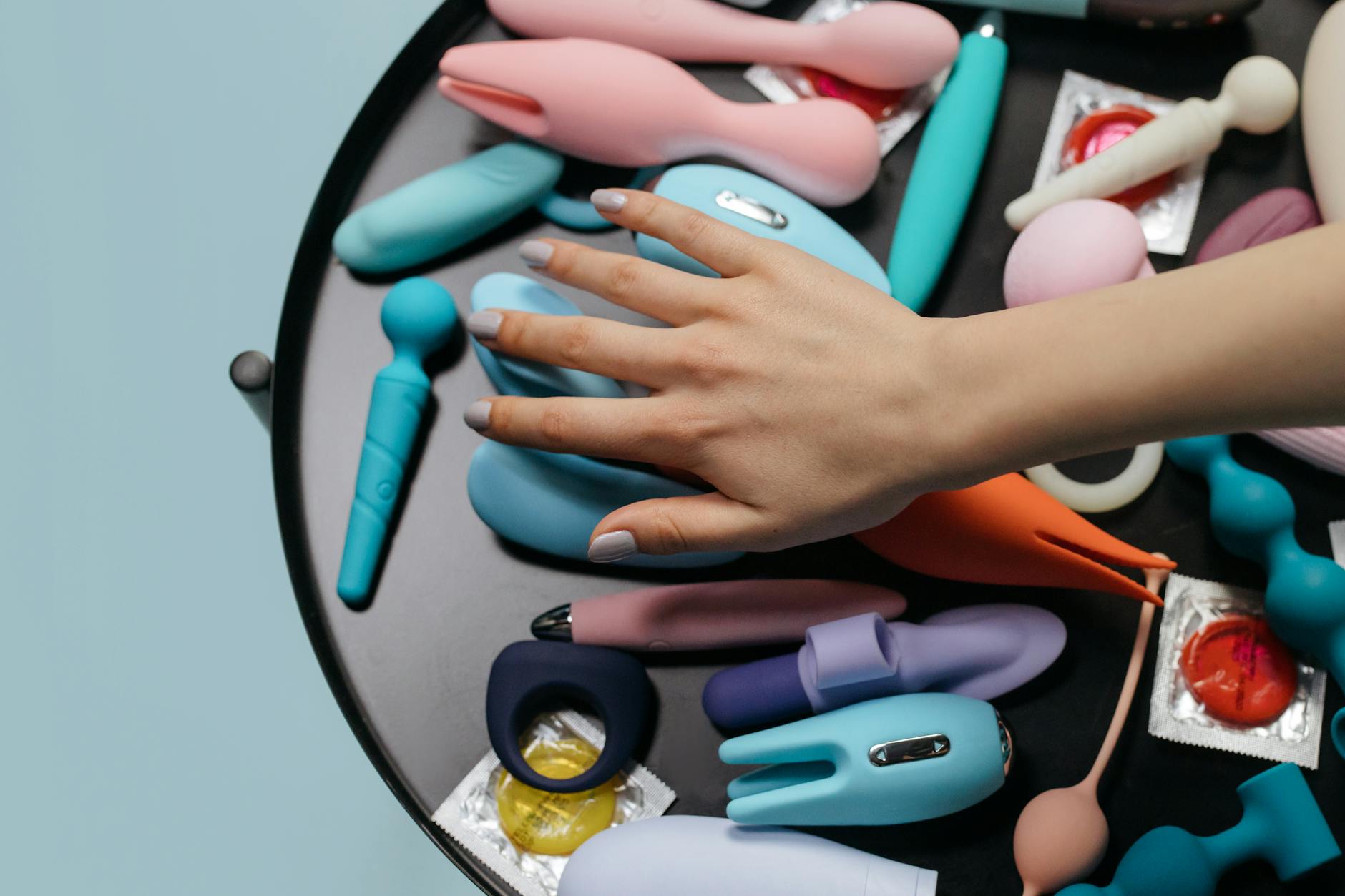
The speed mismatch nobody wants to admit
Here's the thing nobody tells you about long-term partnerships. Your bodies don't warm up on the same timeline. One of you is ready in five minutes. The other needs fifteen, twenty, sometimes longer. And when you're in the middle of that gap, the options feel binary: rush yourself, or wait and resent it.
But there's a third option. And it doesn't require either of you to compromise what you actually need.
Why the timing gap happens (and it's not your fault)
Arousal is not a universal speed. Women tend to need longer to reach peak arousal than most men. That's physiology, not a personal failing. Add in stress, work, hormonal cycles, or just the grind of daily life, and what took ten minutes six months ago now takes twenty.
Your partner's arousal timeline hasn't changed. Yours has. Or vice versa. Either way, you're stuck in a conversation that feels like criticism: "You're too slow" or "You're always rushing me."
Neither is true. You're just mismatched.
Lemon clitoral vibrators like the suction-style toys from Hella Nancy Lems are designed to compress the arousal timeline without forcing it. They're not a substitution for foreplay. They're a tool that lets foreplay happen simultaneously instead of sequentially.
The gap-bridging strategy
Here's how to structure it so both of you get what you need.
Start with what your partner wants to do. They want oral, they want to touch you, they want direct stimulation. Don't skip that. But while they're doing it, you use the lemon vibrator on yourself.
This changes everything. You're not waiting for your body to catch up. You're actively building arousal while they're already engaged. The vibrator accelerates your timeline, and because clitoral suction stimulation works differently than friction or vibration alone, it often feels less numbing and more dynamic than other toys.
The effect is immediate. What would have taken you twenty minutes solo might take twelve with your partner engaged and a vibrator running. That's eight minutes of actual saved time, and more importantly, you're both present the whole time.
The positioning that actually works
This is where most people get stuck. How do you physically manage a lemon vibrator during partnered foreplay without it feeling awkward.
If your partner is using their mouth or fingers, you can hold the vibrator yourself. Keep it on lower patterns at first. Most people rush to pattern 5 or 6 and numb out within minutes. Start at pattern 1 or 2. You're building sensation, not racing to the finish.
If your partner wants penetration soon, start the vibrator while you're still in foreplay, before they enter. That way, you're already partway up the arousal curve. You'll reach deeper pleasure faster, and paradoxically, you'll be less focused on whether it's "happening fast enough."
If your partner is touching you manually, ask them to focus on one area while you use the vibrator on another. Your clitoris gets the suction stimulation. Their hands focus on your thighs, breasts, or internal tissue. This creates layered sensation instead of two hands on the same plot of land.
The conversation that has to happen first
Don't just show up with a vibrator mid-act. That feels like you're saying "your touch isn't enough." Which isn't what you mean.
Instead, say something like: "I want more time together before penetration. What if I used something during foreplay so we're both on the same timeline?" That's honest. It's not about fixing them. It's about logistics.
Some partners worry that a vibrator means they're not "doing it right." Address this directly. The vibrator isn't a replacement for their involvement. It's infrastructure that lets their involvement actually land.
The lemon clitoral vibrators from Hella Nancy Lems work with partner touch, not against it. The suction-style design means they're adding sensation, not competing with manual stimulation the way some vibrators do.
What actually changes when you do this
First, the resentment drops. You're not gritting your teeth waiting to feel aroused. You're actively engaged in your own pleasure while your partner is actively engaged in yours. That's the difference between being touched and being connected.
Second, the actual sex is better. When you've had genuine time to warm up, not rushed time, your body responds differently. Orgasm is more accessible. Pleasure is more textured. Penetration doesn't feel like a deadline you need to hit.
Third, your partner stops feeling like they're "failing" at foreplay. They can see you're aroused. They can feel it. Most of the "I'm too slow" shame dissolves when both people are actually present instead of one person performing and one person waiting.
The patterns that work best for gap-bridging
Don't start on the high patterns. A lemon sucker on pattern 5 for ten minutes is a numb clitoris and wasted time.
Start on 1 or 2. Let sensation build. Move to 3 or 4 only after three to five minutes. If you're using it during partner foreplay, you might never need to go higher. The combination of external vibration plus their touch is usually enough.
Experiment with the pulse settings too, if your lemon vibrator has them. Steady patterns are predictable. Pulsing patterns create surprise. Some people find pulsing accelerates arousal faster than steady vibration.
The other thing: take breaks. Thirty seconds off, then thirty seconds on. This prevents numbing and keeps sensation fresh. It also gives your partner chances to check in or change what they're doing.
When gap-bridging becomes regular foreplay
If this works the first time, it might become part of your regular rhythm. That's not a sign something's broken. That's just adaptation.
Many couples find that when your partner initiates sex but you need foreplay, having a shared tool takes the friction out of the request entirely. Instead of "I need more time" being a negotiation, it's just part of how you connect.
Some people worry that relying on a vibrator means they won't be able to reach arousal without one. That's not how bodies work. You're not retraining your response. You're just using the tool when timing is tight. That's all.
The bigger picture: mismatched desire timing
Sometimes the gap isn't just arousal speed. It's actual desire. One person wants sex twice a week. The other wants it twice a month. Or one person needs thirty minutes of connection. The other is satisfied with five.
A lemon vibrator helps with arousal timing, not desire mismatch. If the gap is deeper than "my body takes longer to warm up," you might need to talk through frequency and expectations separately.
But for arousal speed specifically, gap-bridging with a clitoral vibrator genuinely works. You're not forcing anything. You're just compressing the timeline so both people can be present at the same time.
FAQ: Common questions about timing and lemon vibrators
Can I use a lemon vibrator while my partner is inside me?
Yes. The suction-style design of lemon clitoral vibrators means they sit on top of the clitoris, not inside. You can easily use one externally while your partner provides internal stimulation. Start before penetration though. That way you're already aroused, and you're not trying to figure out logistics mid-act.
Will using a vibrator during foreplay make partner touch feel less satisfying?
Not unless you use the vibrator as a replacement instead of a complement. The key is layering it. Your partner does one thing. You add the vibrator to a different area or sensation. It's addition, not substitution. Many people find this creates more pleasure overall, not less.
What if my partner feels threatened by the vibrator?
That's real, and common. The threat isn't about the tool. It's usually about feeling like they're not enough. Address it directly. "I want to use this so we're on the same timeline, not because you're not enough. You're part of this." If the concern persists, read about how to use lemon vibrators when your partner dismisses your pleasure needs. That article goes deeper into this dynamic.
How long should I use a lemon vibrator during foreplay?
Start with five to ten minutes. You're building arousal, not racing to orgasm. More time is better than less. If you're using it while your partner is touching you, let it run for as long as foreplay lasts. There's no minimum or maximum. Your body will tell you when the timing feels right.
Does it matter which pattern I use?
Yes. Start low, build up. Pattern 1 or 2 for the first few minutes. Move to 3 or 4 if you want more intensity. Most people don't need patterns 5 or 6 during partnered foreplay. You're creating sensation, not chasing numbness. Lower patterns actually feel better for longer.
What if my arousal is still slower than my partner's after using a vibrator?
Then you've compressed the gap but not closed it. That's fine. You're still much closer to their timeline than you were before. Combine the vibrator with extended foreplay and when your clitoris needs time to warm up, that article has additional strategies for slow-warming bodies.
The real point
Your arousal timeline isn't a flaw. Your partner's quick readiness isn't a flaw. You're just working on different speeds. A lemon clitoral vibrator makes it so you can sync those speeds without either of you feeling rushed or rejected.
That's not a compromise. That's connection.
If you're ready to try gap-bridging, start with a basic lemon sucker and talk to your partner first. Then let your bodies find the rhythm that works. Most couples find this changes the entire tone of sex, not because the mechanics changed, but because both people are finally present at the same time.
If you'd like to explore how a lemon vibrator might fit into your specific dynamic, reach out. We can talk through what might work for you and your partner. Contact Hella Nancy Lems anytime.