Let's name what's actually happening here
Your partner doesn't ask about your orgasm. Or they do, but then when you mention you need more time, more pressure, or a different kind of touch, the energy shifts. Maybe they say "you're too complicated," or they just roll over. Maybe sex ends the moment they finish. The message is clear: your pleasure is optional, theirs is the main event.
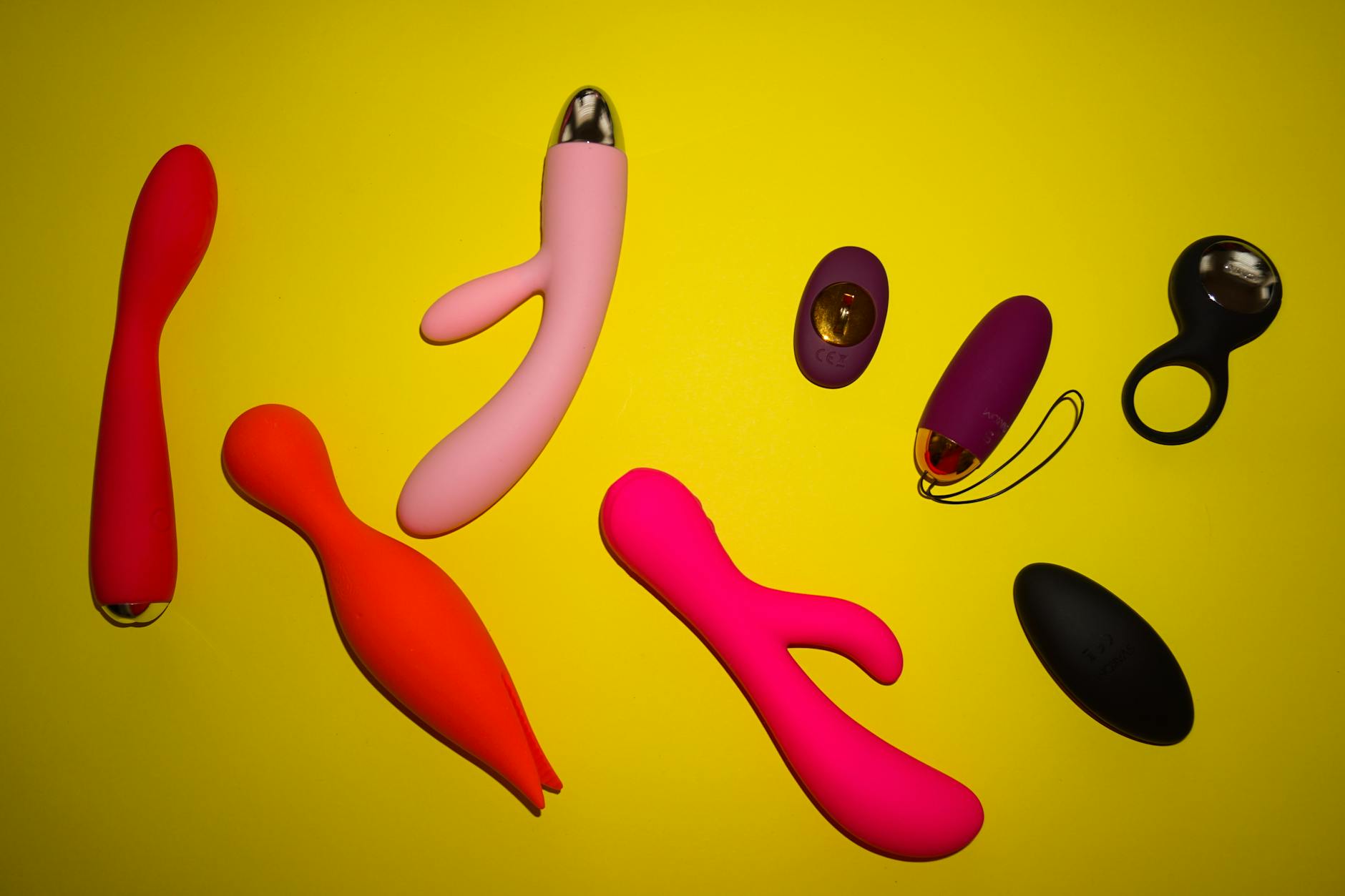
This isn't about technique or compatibility. This is about being deprioritized in your own sexual life. And here's the thing that needs saying out loud: a lemon clitoral vibrator isn't just a toy. It's the first tool you have that puts you back in control.
Why a lemon vibrator changes the dynamic
When your partner hasn't been meeting your needs, you've probably learned to shrink them. You've gotten quieter about what feels good. You might even have stopped knowing, because asking repeatedly and being dismissed is its own kind of pain. A lemon vibrator like the Lem bypasses all of that negotiation.
With a suction-based clitoral vibrator, you're not waiting for pressure that might never come. You're not managing their ego or their speed or their stamina. Suction stimulation works differently than friction. It doesn't numb, doesn't require you to be already aroused to feel good, and it gives you intensely specific feedback about exactly where your pleasure lives. That's power.
Here's what clients tell me after they start using lemon vibrators in relationships where their pleasure has been sidelined: they stop apologizing for wanting an orgasm. They realize they're not "too complicated." Their partner just wasn't paying attention.
Starting solo first is actually the move
I know the instinct is to bring it into partnered sex right away, hoping it'll solve things. But if your partner has been dismissive, using a lemon vibrator solo is your real reclamation project. Here's why: you need to remember what satisfaction feels like without negotiating it.
Start with the lower patterns on your Lem. Patterns 1 and 2 are gentle enough that you can spend time learning where the suction hits best on your specific body. Some people find the sweet spot is directly over the clitoris. Others need it slightly off to the side. There's no wrong answer. You're mapping your own territory.
Budget at least 15 to 20 minutes for this. Not because you need that long to orgasm, but because you need that long to drop back into your body without anybody else's timeline in the room. This is the work that changes everything.
When you do bring it into partnered sex, here's the script
Let's get practical. At some point, you might want to use your lemon vibrator with your partner. Maybe they're inside you and you need clitoral stimulation. Maybe you're together but you want direct control over your own orgasm. Maybe you want them to see what actually gets you there.
Don't ask permission. That's the first shift. "I'm going to use my vibrator" is not a request. It's information. Delivered calmly, matter-of-factly, the way you'd say "I'm going to get water."
If they push back, here's what you say: "My pleasure is not negotiable. You can be part of this, or you can give me space. Those are the options."
If they say "but I want to do it for you," the answer is: "You've had time to figure that out. I'm taking care of myself now."
If they make you feel weird about it, that's information too. And it usually means one of two things: either they're insecure (which is theirs to work through, not your problem), or they actually don't want you to come (which is a whole different conversation we should probably have).
The patterns that work best for this exact situation
When you're with someone who's been dismissive, patterns 3 through 5 on your Lem are your friends. Patterns 1 and 2 are meditative and slow. Patterns 3 and 4 are rhythmic and building. Pattern 5 is pulse and intensity. During partnered sex, when you're reclaiming your satisfaction, you usually want the patterns that feel decisive.
Start at pattern 2 or 3 depending on your mood. If you're feeling the pleasure, you can stay there. If you want to build faster, move up. The entire point here is that you're dictating the experience. The Lem responds to what you want, not the other way around.
Some people also find that using a lemon vibrator together actually resets the dynamic. When your partner sees how effectively it works, when they watch you climax without them being able to take credit for it, something shifts. They either step up or they get quiet. Either way, you've already won because you've stopped waiting.
What happens to desire when you stop performing
One of the most interesting things I've seen happen in relationships where the woman reclaims her pleasure: desire often comes back. Not for the partner, necessarily. For sex itself. For the experience of your own body. And sometimes, once that's restored, the partnership either improves or you realize it can't.
Right now, you're probably not actually interested in sex. You're interested in not disappointing them, or in negotiating for the minimum of your needs, or in getting it over with. That's not desire. That's management.
When you use a lemon vibrator solo, when you prioritize your own satisfaction, when you stop waiting for someone else to deliver it, your actual appetite usually returns. And here's the thing about desire: it's magnetic. It changes how you show up. It changes the entire energy of a room.
Your partner might feel that shift and step toward you. Or they might feel threatened and pull away harder. Both are honest answers to whether this relationship can hold your pleasure.
The conversation you might need to have
Using a lemon clitoral vibrator is not a substitute for actually talking about dismissal. But it is a foundation. Once you've reclaimed your own satisfaction, once you know what feels good, you can have a conversation from a place of "this is what I need" instead of "why don't you care."
Here's what that conversation sounds like: "I've realized my pleasure matters to me, and I'm going to make sure I experience it. I'd like you to be involved in that, and I'm going to be honest about what that looks like. If you're not interested in my satisfaction, we need to talk about what this relationship is."
That's not angry. It's clear. It's not ultimatum. It's reality.
If your partner responds with curiosity, with a willingness to understand, that's a relationship with potential. If they double down on dismissal, then you already know what you need to know.
When it's time to consider bigger questions
Sometimes a lemon vibrator is the beginning of a profound shift in a relationship. Sometimes it's the beginning of the end. And sometimes, it's just the tool that lets you feel good while you're figuring out what comes next.
What I want to be clear about: your pleasure is not a problem to solve with a toy. Your pleasure is a basic entitlement in a relationship. A vibrator is just the most direct route back to yourself when someone else has been blocking the path.
If dismissal is the pattern in your relationship, if your needs are consistently sidelined, if you're constantly working to make yourself smaller: the lemon vibrator can give you relief and clarity. But the bigger conversation is whether this relationship is worth staying in.
Relationship coaches like me don't usually say that. We usually say "communicate better" and "find the root cause." But sometimes the root cause is that your partner doesn't prioritize your satisfaction, and no amount of communication fixes someone who doesn't actually care. What fixes it is you deciding that your pleasure matters more than their comfort.
FAQ
Can I use a lemon vibrator if my partner isn't interested in toys?
Absolutely. Your body, your pleasure, your choice. If your partner isn't interested in toys but also doesn't want you to use them alone, that's actually a red flag about control, not about toys. Read that carefully.
Will using a vibrator make partnered sex less satisfying?
No. In fact, the opposite usually happens. When you know what satisfaction feels like, you're less likely to accept mediocre sex from a partner. That's a feature, not a bug.
What if my partner gets jealous of the vibrator?
That's their insecurity talking. Your pleasure is not a threat. If they frame it that way, they're telling you something important about how they see your autonomy.
Should I ask my partner before using a lemon vibrator?
You can tell them as a courtesy. But your pleasure doesn't require their approval. There's a difference between "I'm going to use a vibrator" and "Can I use a vibrator?" One is information. One is asking permission for your own body.
Does using a lemon vibrator mean my relationship is in trouble?
No. It means you're prioritizing yourself. That might reveal trouble that was already there, but the vibrator didn't cause it. It just brought it into focus.
Can a lemon vibrator actually improve a dismissive relationship?
Only if your partner is willing to change. The vibrator can help you reclaim your own satisfaction and clarity. It can create an opening for a real conversation. But if your partner doesn't care about your pleasure, no tool fixes that. Only honesty about whether you want to stay does.
The thing nobody tells you about reclaiming pleasure
Once you start prioritizing your own satisfaction, you can't unknow it. You can't go back to shrinking. You can't pretend your pleasure doesn't matter. A lemon vibrator isn't just a toy. It's a permission slip you give yourself. And once you've given yourself permission, everything changes.
Your pleasure matters. Not after your partner's. Not alongside your partner's. Matter period. Start there, and let everything else follow.
References
Gottman, J. M., & Silver, N. (2015). The Seven Principles for Making Marriage Work. Harmony.
Est, D. J. (2018). The Ultimate Guide to Sex and Disability. Cleis Press.
Brotto, L. A., & Yule, M. A. (2017). Asexuality: Sexual orientation, paraphilias, and other aspects of sexuality. In The APA Handbook of Sexuality and Psychology (Vol. 1, pp. 433-468).