Let's name the problem first
Here's the thing about partnered sex: most of what we're taught assumes one person's pleasure follows a straight line. Enter. Move. Orgasm. Done. Except that's not how bodies work, especially when one person needs clitoral stimulation and the other is oriented toward penetration. For years, couples try to force these two needs to coexist in one act, which usually means one person gets satisfied and one person is quietly frustrated.
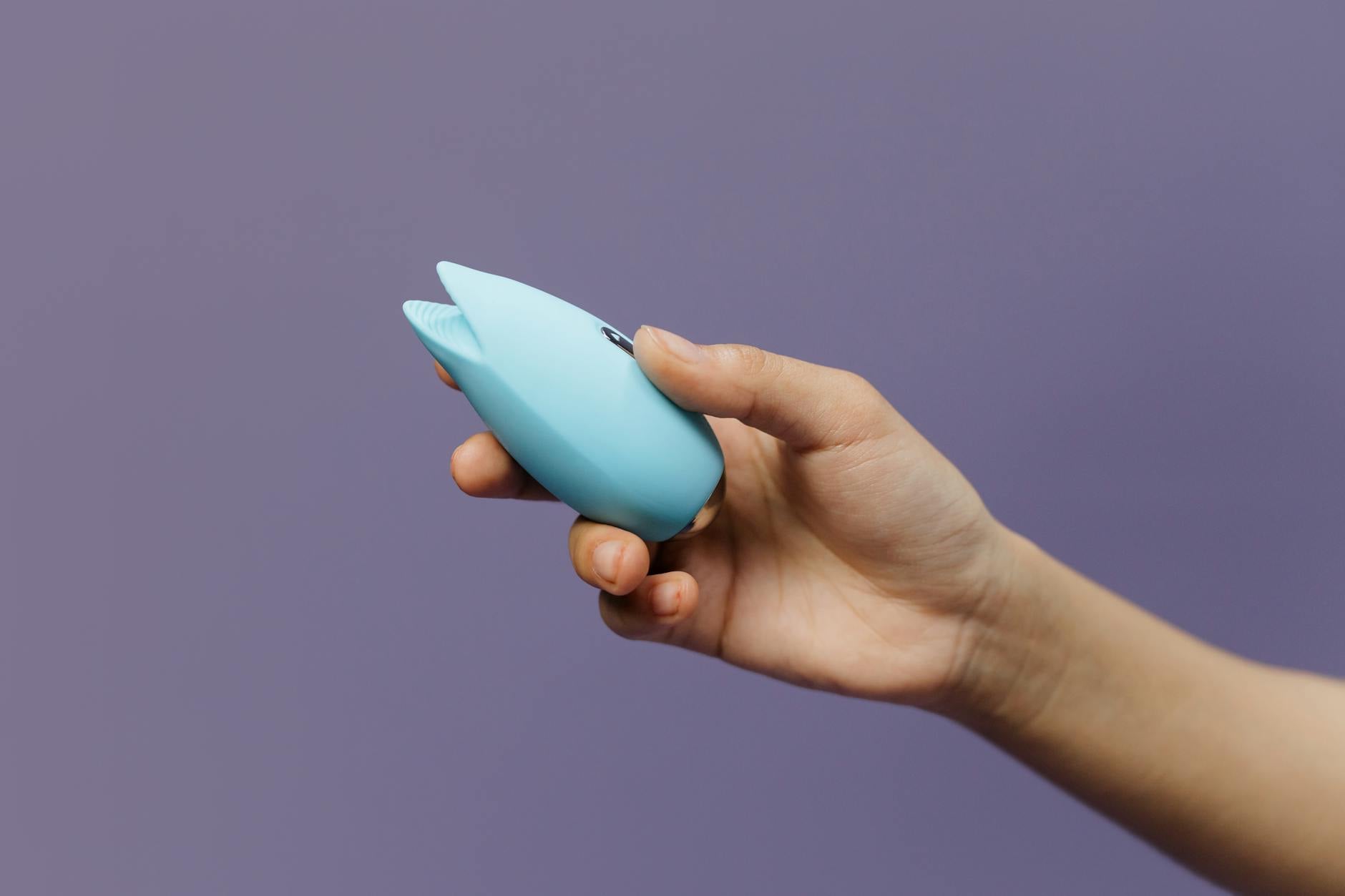
A lemon clitoral vibrator changes this. Not by adding complexity, but by letting you both get what you actually need at the same time. This isn't a compromise. It's a solution.
Why this mismatch happens in the first place
Let's be straight about the anatomy. About 75% of people with vulvas need direct clitoral stimulation to orgasm, and for many, that stimulation needs to be pretty focused. Penetration alone rarely does it. Meanwhile, many partners enjoy penetration as the main event. Neither person is wrong. Neither person is asking for something unreasonable. The issue is that conventional partnered sex tries to make one act satisfy both needs, and it just... doesn't.
There's also a layer of habit and expectation here. For a lot of couples, there's an unspoken rule that if you bring a toy into the bedroom, someone's failing. That one person isn't enough. That's nonsense, but the shame sticks around. A lemon clitoral vibrator isn't evidence of insufficient desire. It's evidence that you both deserve to feel good.
How lemon vibrators solve the penetration plus clitoral gap
A lemon clitoral vibrator uses suction technology instead of vibration. This matters. Suction stimulates the entire clitoral network (yes, there's way more of it than you see) without requiring the kind of friction that can feel intense or numbing during penetration. You can use it simultaneously while your partner is inside you. It doesn't compete with penetration. It works alongside it.
The pressure is also customizable. Many lemon clitoral vibrators like Hella Nancy Lems' clitoral sucking toys have intensity levels that start gentle. This means you can dial in exactly what feels right while your partner moves at their pace. You're both getting sensation. You're both building toward pleasure. And crucially, you're both present and connected instead of one person performing while the other waits.

Photo by FounderTips on Pexels
Setting the conversation up (before you're in bed)
This is where a lot of couples stumble. You've got to talk about this when you're both dressed and caffeinated, not when you're already halfway there. Here's what I recommend saying:
"I want us both to actually feel good during sex. For me, that means I need clitoral stimulation. That's not a reflection on you or what you do. It's just how my body works. I've been thinking about trying a clitoral vibrator during sex, and I'm wondering if you'd be open to that."
That's it. No apology. No performance of gratitude. Just clarity about what you need and a direct question about their willingness. If they react with defensiveness ("Aren't I enough?"), that's a separate conversation. You can say: "This isn't about enough. This is about both of us actually enjoying ourselves. That's what I want."
Most partners, when they understand that the alternative is potentially decades of you faking it or staying quiet, are actually pretty relieved. They want you to feel good. They just needed permission to hear it directly.
The mechanics: how to actually do this
Start with you. Use the clitoral vibrator solo first so you know exactly where you want it, what intensity feels right, and how long you need it. That self-knowledge is essential. You don't want to figure this out while your partner is waiting.
When you're ready to try together, start with foreplay. You can use the vibrator during oral sex, during manual stimulation, or just as part of warming up. Let your partner see that it feels good. Let them feel the vibration. Let them hold it if they want. This normalizes it fast.
When you move to penetration, position matters. If your partner is entering from behind, the vibrator can stay on your clitoris easily. If you're face to face, you might need to angle differently. Honestly, it's worth experimenting to find what works. There's no single right position. There's only what works for your bodies.
Timing also matters. Some people like to build clitoral stimulation first, then add penetration. Others prefer penetration first, then bring the vibrator in as they get closer to orgasm. Some use it the whole time. There's no script. You're writing it together.
What your partner can do here
If you're the person whose partner now has a clitoral vibrator involved, here's your role. Don't make it about you. Don't take it personally. Don't assume it's replacing anything about what you do. Your job is to stay present, stay connected, and pay attention to what feels good for them.
You can ask simple things: "Is this feeling good?" "Do you want me to move faster?" "What do you need right now?" You can help hold the vibrator. You can use one hand for penetration and your other hand on their body, staying connected while they focus on the clitoral stimulation. Some partners find that creating that team feeling makes it feel less like a barrier and more like you're building something together.
If you're worried about your own pleasure, that's worth addressing separately. You can use a toy too. You can ask your partner to touch you in specific ways. You can take turns focusing on one person's pleasure. The presence of a lemon clitoral vibrator doesn't mean the entire repertoire of partnered pleasure disappears. It just means you're being honest about what one specific act requires.
Common friction points and how to handle them
"But I want to make you come." Okay. And you can. But you can do it with a tool. You're both contributing to your pleasure. That's the whole point. It's not less intimate. It's actually more honest.
"It feels weird to me." Totally fair. Most new things feel weird for a minute. Use it a few times. Notice that everyone feels better. The weirdness usually dissolves pretty fast.
"I'm worried I'll lose my erection if we stop and use the toy." You don't have to stop. Keep moving. Keep touching. The vibrator is an addition, not a pause.
"What if I come before they're ready?" That's fine. You can stay inside them while they use the vibrator. You can move to oral sex. You can take a breath and keep going. Coming before your partner doesn't mean the session is over. It's just a shift in what happens next.
None of these problems are unsolvable. They just require a tiny bit of communication and a willingness to let go of what partnered sex is "supposed" to look like.
Why this actually strengthens connection
Here's what happens when both people get what they actually need: the pressure lifts. You're not performing. You're not monitoring whether your partner is satisfied while also trying to build your own pleasure. You're just... present. You're feeling good. Your partner is feeling good. That vulnerability, that honesty about what your body needs, that willingness to be direct instead of silent? That's intimacy.
I've worked with dozens of couples who brought clitoral vibrators into their partnered sex and reported that it changed not just the physical experience but the emotional connection. Because suddenly there was less resentment. Less faking. Less awkward conversations after sex. Just two people saying "here's what I need" and figuring it out together.
One more thing about lemon clitoral vibrators specifically
Lemon-style clitoral vibrators like the lem use gentle suction rather than intense vibration. That means they're lower pressure on sensitive tissue, which matters if you're using one during penetration when your clitoris might already be slightly swollen or tender. The sensation is also more concentrated, which means you're less likely to lose focus or sensitivity when your partner is moving inside you. It's designed specifically for this kind of dual stimulation.
People also ask
Can you use a lemon clitoral vibrator during penetration without it slipping?
Yes. Most quality lemon clitoral vibrators have a weighted handle and a curved tip designed to stay positioned. If you're worried, start by experimenting with it during foreplay to get a feel for how it sits. Many partners also find it helpful to help position it or hold it in place, which adds a collaboration element to the whole thing.
Will using a vibrator make penetration feel less pleasurable for my partner?
Not typically. If anything, the fact that you're genuinely enjoying yourself and not silently wondering when it'll be over usually makes the experience better for them too. You're more present, more responsive, more engaged. That's a better experience than someone who's checking out.
What if we try this and it doesn't work the first time?
Then you adjust. Different positions, different timing, different intensity levels. Some couples need three or four tries to find the right combination. That's completely normal. This is about learning your bodies together, not about getting it perfect immediately.
Is it weird to talk to my partner about needing clitoral stimulation?
It might feel weird because we're not taught to be that direct about sex. But weird and important go together sometimes. A partner who cares about you wants to know how to make sex feel better for you. If they get defensive, that's useful information about what you're working with. But most people are actually relieved to be told clearly what works.
Can I use a lemon clitoral vibrator if I have a hormonal IUD?
Yes, absolutely. In fact, because hormonal IUDs can sometimes affect sensation or lubrication, a gentle clitoral vibrator might feel even better. Just make sure you're not applying direct pressure over your cervix if that area is tender, and always use lubrication for comfort. If you have any pain or unusual symptoms, check in with your healthcare provider, but a clitoral vibrator itself isn't contraindicated.
What's the difference between a lemon clitoral vibrator and a traditional vibrator when you're trying to do both penetration and clitoral stimulation at the same time?
Traditional vibrators usually rely on horizontal vibration that can feel numbing or intense, especially when combined with penetration. Lemon clitoral vibrators use suction technology that's gentler and more designed for sustained use. The sensation is also more localized, which helps you maintain focus. If you've tried a regular vibrator during sex and found it felt chaotic or desensitizing, a lemon clitoral vibrator might feel like a completely different experience.
The bottom line
The pleasure gap between wanting penetration and needing clitoral stimulation has ended relationships and killed desire for decades. You don't have to choose. You don't have to settle. You don't have to fake it. A lemon clitoral vibrator lets you both get what you actually need, which makes everything better. The conversation might feel awkward for five minutes. The adjustment period might take a few tries. But the payoff is being able to genuinely enjoy sex with your partner instead of tolerating it.
Your pleasure matters. Both of your pleasure matters. That's not selfish. That's just honest.
If you're ready to have this conversation or try this out, start with How to Introduce Lemon Vibrators to Your Partner Without Shame for some additional scripts and guidance. Or if you're still figuring out what you actually need, Why Lemon Vibrators Work Better for Sensitive Clitoris walks through the physical side. Either way, you deserve to feel good. Let's make that happen.