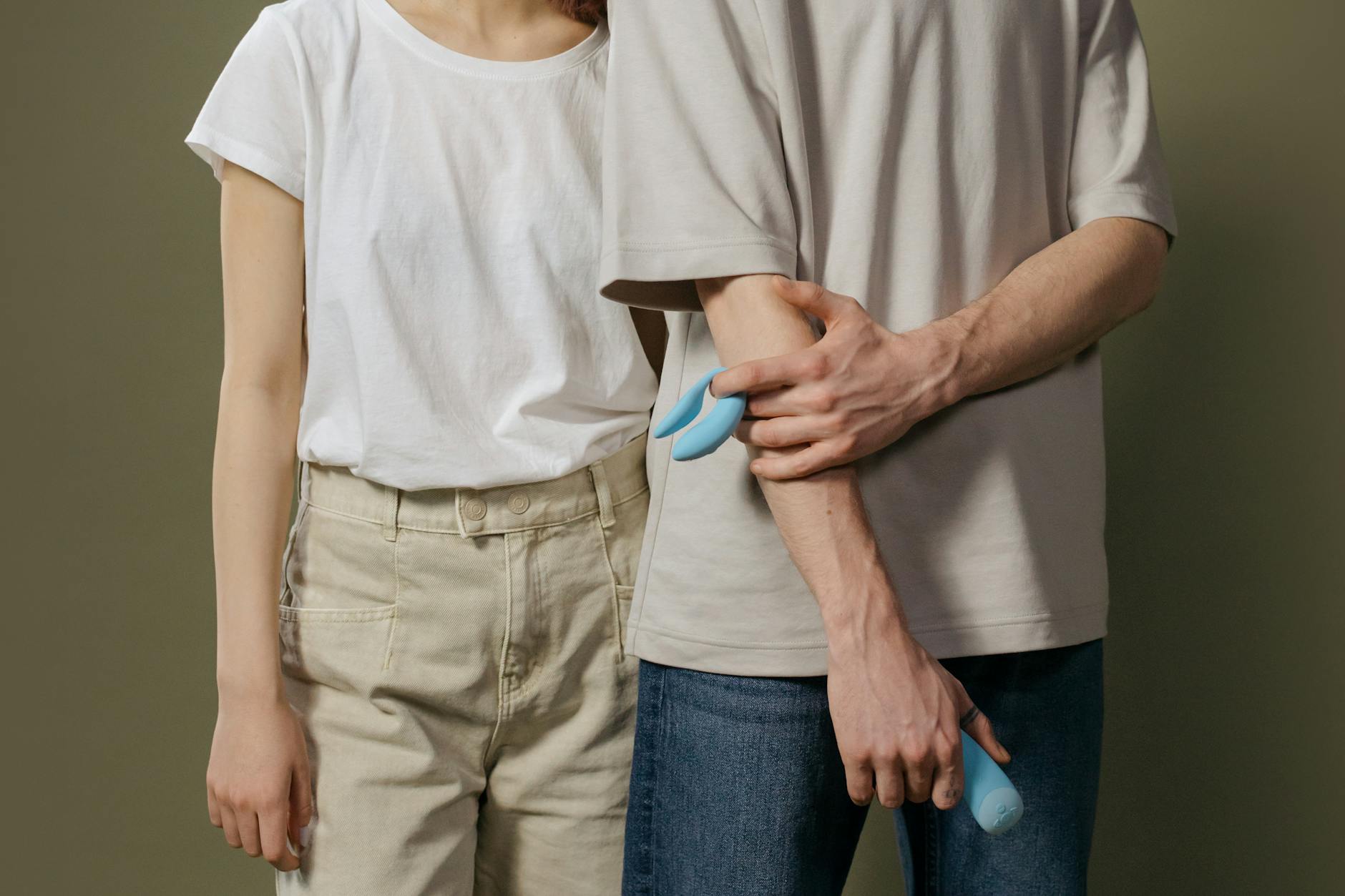
Here's what everyone worries about (and why it's mostly backwards)
You've probably heard it. Maybe your partner said it. Maybe you read it in some wellness forum written by a person with zero medical training. The concern goes something like: "Won't using a lemon vibrator or clitoral toy too much make your body lazy? Won't you lose the ability to self-lubricate naturally?"
Let's be direct. That's not how bodies work. And the fear itself often keeps people from something that could genuinely help them.
What actually happens when you use a clitoral vibrator
First, the basic biology. Natural lubrication happens because of blood flow and hormonal signals. When you're aroused, your vaginal tissues fill with blood. This increased pressure forces fluid through the vaginal walls. It's a hydraulic system, not a learned response. Using a lemon vibrator doesn't rewire this mechanism any more than using a massager on your shoulders makes your shoulders forget how to relax on their own.
The clitoral stimulation from devices like a lemon sucker or other lemon clitoral vibrators doesn't interfere with your body's lubrication system. In fact, most people find that regular sexual activity (with a partner or alone, with toys or without) maintains healthy vaginal tissues and circulation over time.
The research on vibrator use and sexual response
We have actual studies here, not just intuition. A 2009 study published in the Journal of Sexual Medicine surveyed over 2,000 women about vibrator use. The findings were boring in the best way possible. Vibrator users reported higher sexual satisfaction, more frequent orgasms, and better sexual function overall. No decline in natural arousal. No adaptation that made solo toys the only way to feel pleasure.
A more recent analysis in Sexual Medicine Reviews looked at concerns about "vibrator dependency" and found that the evidence doesn't support the idea that regular vibrator use numbs genital sensitivity or reduces natural lubrication. What it does do is provide a consistent stimulus that can help people learn their own bodies, which often improves partnered sex too.
The thing is, your clitoris doesn't get "tired" like a muscle. It doesn't build tolerance to stimulation the way your body might build tolerance to caffeine. Vibrator use, whether daily or weekly, doesn't mechanically change the tissue or hormonal pathways that create natural wetness.
Why it feels like your body is changing (and usually isn't)
Here's where perception gets tricky. If you use a powerful lemon vibrator and experience a really intense orgasm, partnered sex without toys might feel less overwhelming by comparison. That's not your body losing function. That's a difference in intensity, not a difference in capacity.
You might also notice that solo sessions feel different from partnered sessions. Again, this is normal. Different contexts, different stimulation patterns, different emotional states. Your body responding differently to different inputs is a sign of healthy sensitivity, not desensitization.
Where real changes do happen is with hormones. Menopause, birth control, stress, and medications all affect lubrication. If you're noticing dryness, it's worth asking whether your toy use changed or your life circumstances did. Spoiler: it's almost always the latter.
The one scenario where vibrator use might genuinely change things
There's a specific exception worth mentioning. If you use a vibrator at very high intensity exclusively, and you use it daily at near-maximum settings for extended periods, some people report that lower-intensity stimulation becomes less satisfying temporarily. But this isn't about the vibrator damaging anything. It's about stimulus intensity and novelty.
Think of it like listening to loud music every single day. Your ears aren't broken. But you might find quiet music less engaging for a while. The solution isn't to stop using the vibrator. It's variety. Mix intensities. Skip a day here and there. Alternate toys. Use different patterns. Your body responds to novelty, which is actually a sign of healthy nervous system function.
This is one reason why women over 45 prefer lemon vibrators for clitoral pleasure often report so much satisfaction. Suction-based lemon clitoral vibrators create a different sensation profile than traditional vibration, which means you're engaging your nervous system in new ways rather than training it to expect one specific stimulus.
What actually affects natural lubrication
Let's talk about the real factors, because they matter more than vibrator frequency:
Hormonal shifts. Estrogen and progesterone directly affect vaginal lubrication. Menopause, hormonal birth control, and even thyroid issues change how much your body produces.
Stress and cortisol. High stress literally diverts blood away from your genitals and toward your large muscles (the fight-or-flight system). Chronic stress genuinely does reduce arousal and lubrication.
Medications. Antihistamines, antidepressants, and blood pressure meds can all affect lubrication. If this is new for you, your pharmacy or doctor can help pinpoint whether a medication is the culprit.
Vaginal health. Yeast infections, bacterial imbalance, or atrophy reduce lubrication. These are medical issues that respond to treatment, not vibrator-related issues.
Hydration and nutrition. Your overall fluid intake and nutrient status affects every fluid your body produces, including vaginal lubrication.
Partner compatibility. Sometimes what feels like low lubrication is actually a mismatch in arousal pacing. If you're not getting enough foreplay or mental engagement, your body won't respond the same way. How to use lemon vibrators for couples explores this more deeply.
The actual relationship between vibrators and natural arousal
Here's what I've seen in my work with couples. People who use vibrators tend to have better sexual communication overall. They're more comfortable with their own bodies. They're less likely to perform and more likely to actually feel pleasure. And that confidence and presence often enhances partnered sex, not detracts from it.
Regular sexual activity, whether solo with a lemon vibrator or partnered, keeps tissues healthy and responsive. Blood flow to the area improves. Nerve endings stay sensitive. Your nervous system continues to respond to arousal cues.
What vibrators do do is give you control. You decide the pace, the intensity, the duration. That agency is often what makes the difference. People with more control over their own pleasure tend to have better sexual function overall.
If you're genuinely concerned about lubrication changes
Three concrete moves:
Track what's actually shifted. Did you start a new medication? Change birth control? Go through a major life stress? Often the answer is there, and it has nothing to do with your toy.
Talk to your doctor if dryness is new and persistent. Vaginal dryness can signal hormonal changes worth addressing. Your GP can rule out medical causes and discuss treatment options if needed. Why lemon vibrators feel better after menopause covers the menopause-specific version of this.
Experiment with variety if you're noticing less intensity with lower-stimulation toys. If high-intensity suction from a lemon clitoral vibrator has become your baseline, trying a different sensation (lower suction, vibration-based tools, or manual stimulation) can reset what feels novel and exciting.
Your body is not fragile. It's adaptive. And that adaptation is generally a good thing.
The bottom line
Using lemon vibrators, lemon suckers, or any clitoral vibrator doesn't mechanically reduce your body's natural lubrication. It doesn't create dependency or desensitization. What it does do is create pleasure, which most of us could use more of. If your lubrication has genuinely changed, the cause is probably hormonal, medical, or circumstantial, not toy-related.
The real risk of believing the myth that vibrators damage lubrication? You avoid something that could actually improve your sexual health and satisfaction. And that would be a genuine loss.
People also ask
Can using lemon vibrators damage your clitoris
No. Your clitoris is made of resilient tissue with thousands of nerve endings. It's not delicate in the way people often imagine. Clitoral vibrators, including lemon-shaped devices, are designed with appropriate stimulation intensity. The tissue doesn't get damaged from use. In fact, people with trauma histories often report that gentle, controlled stimulation from a tool like a lemon clitoral vibrator actually helps them reclaim sensation in a safer way than partnered touch allows.
How often is it safe to use a lemon vibrator
There's no upper limit on frequency for using a clitoral vibrator, including lemon suckers and lemon sexual toys. Some people use them daily. Some weekly. Some a few times a month. The "right" frequency is whatever feels good to you and fits your life. The only adjustment worth making is if you notice that one specific intensity level stops feeling satisfying. In that case, varying your approach (different intensities, patterns, devices, or rest days) helps keep sensation fresh.
Does vibrator use make partnered sex less satisfying
Not inherently, and often it improves things. People who use vibrators tend to have better communication about what feels good, which helps them advocate for their pleasure in partnered sex too. That said, if partnered sex feels less intense than solo vibrator use, that's usually a rhythm issue, not a damage issue. It takes longer for many people to reach that intensity with a partner, which is normal and changeable with communication.
Can you use a lemon vibrator during menopause if you have dryness
Yes, and often you should. Menopause decreases natural lubrication due to falling estrogen. Using a clitoral vibrator during this time is not only safe but often helps. Water-based lubricant applied to tissues makes stimulation more comfortable. Suction-based tools like a lemon sucker are often preferred postmenopause because they don't require the same friction-based pressure that thinner tissue might find uncomfortable. Why lemon vibrators feel better after menopause goes deeper on this.
Does vibrator use affect your ability to orgasm with a partner
Regular vibrator use doesn't reduce your capacity to orgasm with a partner. What it does do is teach you what your body actually needs. For many people, partnered orgasm requires slightly different stimulation than solo orgasm. Understanding your own body through solo exploration (with or without lemon vibrators) makes you a better communicator about what you want from a partner. That's almost always an improvement.
Can lemon vibrators cause nerve damage
No. A lemon clitoral vibrator, when used as designed, creates stimulation that's well within the range of healthy sensation. Your clitoral nerves are durable. They're designed to receive stimulation. What they're not designed for is prolonged use at maximum intensity multiple times daily for extended periods, but that's true of any intense stimulus. Using a lemon sucker or other lemon vibrator as most people do (a few times a week, varying intensities and duration) poses zero risk to nerve health.
What to remember
Your body is not a machine that breaks with use. It's a system that generally improves with healthy stimulation, attention, and pleasure. Using lemon vibrators, lemon clitoral vibrators, or any clitoral toy doesn't damage your natural arousal. It enhances your understanding of it. And that knowledge is something you keep for life, with any partner or none at all.
If you have specific concerns about your sexual health or lubrication changes, your GP is your first call. But vibrator use itself? That's not the problem. It's usually part of the solution.