Here's the thing nobody tells you about post-menopause pleasure
Menopause changes your body in ways that feel, at first, like a loss. Tissue thins, lubrication drops, sensation feels muted. The natural assumption is that pleasure goes with it. That assumption is completely wrong.
What actually happens is this: your body changes, yes, but the right tools and knowledge transform that shift into something unexpectedly powerful. Many of my clients report their most satisfying orgasms came after menopause, not before. This isn't false comfort. It's a clinical pattern I've watched repeat for years.
Why estrogen changes how vibration feels
When estrogen drops after menopause, the vulva's tissue gets thinner and more delicate. This isn't weakness. It's a change in sensitivity architecture.
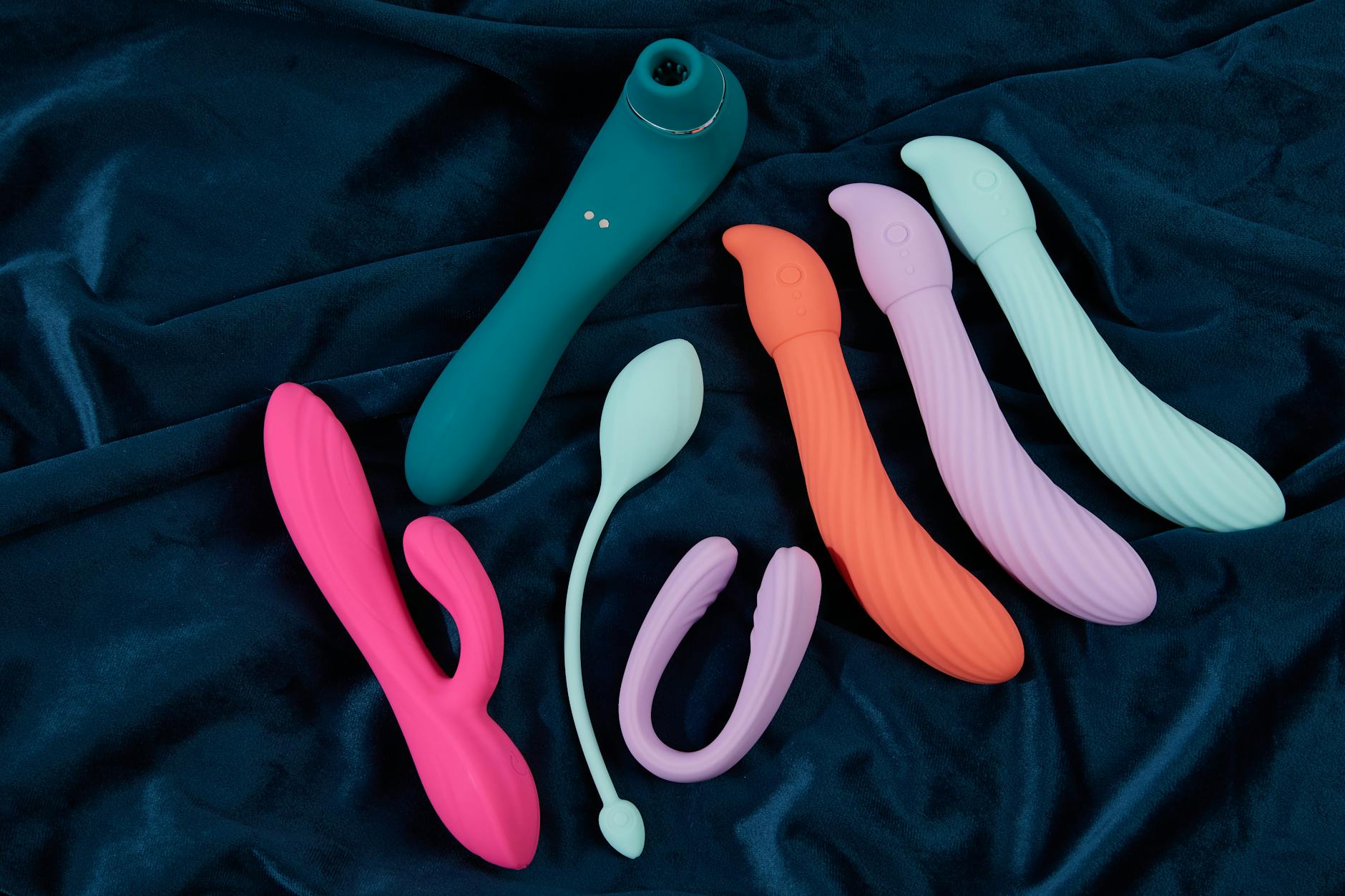
Thinner tissue means direct vibration can feel too intense, almost uncomfortable. Traditional vibrators that rely on straightforward buzzing or thrusting often feel jarring. They overstimulate. But lemon clitoral vibrators, which use suction-pulse technology instead of pure vibration, work with this new anatomy rather than against it.
The lem vibrator applies gentle suction waves that stimulate the entire clitoral complex, not just the surface. For post-menopausal bodies, this means:
- No pressure on sensitive tissue. Suction works through gentle pulsing, not direct friction.
- Deeper stimulation. The technology reaches internal clitoral structures that thicken tissue around them, creating a different kind of intensity.
- Faster arousal buildup. Many people find suction-based lemon sexual toys trigger response faster than they expected.
The role of hormonal shifts in sensation
Estrogen does more than lubricate. It maintains nerve density, blood flow, and the elasticity of tissue. Post-menopause, all three change.
Nerve density in the clitoris doesn't decrease, but the supporting tissue around those nerves does thin. This actually sharpens sensation in some ways. People describe it as a kind of clarity: where before there was a general wash of stimulation, now there are distinct zones and intensities.
For clitoral vibrators, this means lower settings can feel more pronounced. You might find yourself using pattern 2 or 3 on a lemon sucker where you used 5 before. This isn't a loss of capacity. It's better efficiency.
How lemon vibrators adapt to post-menopausal anatomy
Let's be specific about why lemon clitoral vibrator technology works here.
The Lem and other suction-based toys were designed with one principle: stimulate without friction. A lemon vibrator's suction mechanism creates a seal around the clitoris and delivers rhythmic pulses. There's no grinding, no direct pressure on delicate tissue.
After menopause, this design choice becomes quietly brilliant. Where a traditional vibrator might feel harsh, a lem vibrator feels almost meditative. The pattern options let you find exactly the frequency your nervous system responds to, rather than forcing your body to adjust to the toy.
And here's something people don't often discuss: lemon adult toys often include wider cups or softer silicone than older vibrator designs. This gives the seal comfort without sacrifice. You can wear it longer, explore at your own pace, and build sensation gradually.
Lubrication, recovery time, and what actually changes
Yes, post-menopausal bodies produce less natural lubrication. And yes, this matters. But it's not the barrier people think it is.
A water-based lubricant paired with a lemon clitoral vibrator solves this completely. You're not fighting against your body. You're adding back what hormones used to provide automatically. This is practical, not tragic.
What's more interesting: recovery time often improves. Before menopause, hormonal cycling could mean days where arousal felt distant or impossible. After menopause, many people describe a flatness that's actually steadier. Less dramatic dips. This means more consistent access to pleasure when you decide to pursue it.
Orgasm itself changes texture rather than intensity. Some describe post-menopausal orgasms as more localized, more electric in specific zones rather than a full-body cascade. Others report the opposite. The variation is huge. But across the board, people working with lemon sexual toys say the focus and clarity make the experience richer.
Building your practice with the right tool
If you're exploring pleasure after menopause, start with a lemon vibrator designed for comfort and gradual buildup.
Begin low and slow. Don't assume you need high intensity. The lem vibrator's pattern 1 or 2 might be your sweet spot. Patterns exist to explore, not to prove you can handle the strongest setting.
Give yourself time to warm up. Arousal takes longer post-menopause. Budget 20-30 minutes, and don't treat the early part as foreplay. It's the main event. Sensation builds differently now.
Use lube generously. Not because something's wrong, but because it's how your body works now. This is maintenance, like water in the morning. There's no shame in it.
Explore the full spectrum of patterns. Many lemon clitoral vibrators offer 8-12 pulse patterns. Spend time on each one. Your nervous system might respond to a rhythm you wouldn't have guessed. This exploration is often where post-menopausal pleasure surprises people.
You might also find that a lemon sucker works better for you than the same tool did before menopause. Your body has changed. That's not a problem to solve. It's information you can use.
The role of mindset and permission
Physics matter. Hormones matter. But here's what my clients tell me most often: menopause gave them something unexpected. Permission.
Before menopause, there was often pressure. Fertility concerns, hormonal mood swings, the sense that sexuality was something your body did on its own cycle. Post-menopause, that pressure lifts. For the first time, many people decide pleasure purely on their own terms.
This mental shift changes everything. It's not about the toy. It's about reclaiming your body as a source of joy rather than a project to manage.
A lemon vibrator becomes a tool you choose for yourself, not a performance device. That distinction runs deeper than neurology.
When to involve a healthcare provider
If pain appears during or after using any vibrator, stop and talk to your doctor. Genitourinary syndrome of menopause (GSM) is real and common, but it's also highly treatable.
Topical estrogen creams used 2-3 times weekly can restore tissue thickness and comfort in 4-6 weeks. This isn't extreme intervention. It's addressing the physical reality so you can enjoy pleasure without discomfort.
If you've lost desire entirely and it hasn't returned in several months, mention it. Testosterone therapy is worth discussing. It's prescribed conservatively in some regions but more openly in others. The point is: you have options.
FAQ: Your questions about lemon vibrators after menopause
Do I need a different vibrator after menopause?
Not necessarily, but many people find they prefer one. If your old vibrator feels too intense or uncomfortable, you're not broken. Your tissue has changed. A lemon clitoral vibrator's suction technology and gentler settings often feel better suited to post-menopausal anatomy. Whether you switch is entirely your choice.
How quickly will I see a difference with a lemon sexual toy?
Some people notice a shift in the first session. Others need 3-4 sessions to figure out what patterns and settings work. Give yourself permission to experiment without expectations. The learning curve is part of rediscovering pleasure.
Is it normal for orgasms to feel different after menopause?
Completely normal. Orgasm after menopause often feels more localized, more intense in specific zones, and sometimes longer. Some people describe it as sharper. Others say more grounded. There's no "should" here. Your experience is the baseline.
Can lube damage a lemon vibrator?
No, not with water-based lube. Silicone-based lubricants can damage silicone toys, so stick to water-based. A lemon sucker is silicone, so water-based lube is your friend. It doesn't degrade the material and it makes everything more comfortable.
Should I use a lemon vibrator if I have a partner?
Absolutely. Solo exploration helps you understand what your body responds to now. That knowledge makes partnered sex richer, not less important. You and a partner can explore together, or you can understand yourself first and share that knowledge later. Either way, self-knowledge is a gift to the relationship.
How often can I use a lemon clitoral vibrator after menopause?
As often as you want. There's no limit. Unlike some activities that require recovery time, vibrator use doesn't create fatigue in the post-menopausal body. Some people use one several times a week. Others once a month. Your desire is the only guide.
The truth about pleasure after menopause
Menopause is not a closing door. It's a reorientation. Your body works differently, yes. But different doesn't mean worse.
With the right information, the right tool (like a lemon vibrator or lemon clitoral toy), and genuine permission to explore, post-menopausal pleasure often becomes richer, more intentional, and more satisfying than anything that came before.
If you're curious about which tool might work for you, our buying guide on how to choose the right lemon vibrator for your body and sensitivity walks through the options in detail. And if you want to explore patterns and settings more deeply, we've written about why lemon vibrators work better for clitoral sensitivity, which covers the science behind suction technology.
Your pleasure matters. Your body matters. And menopause, strange as it sounds, might be the beginning of your best chapter yet.