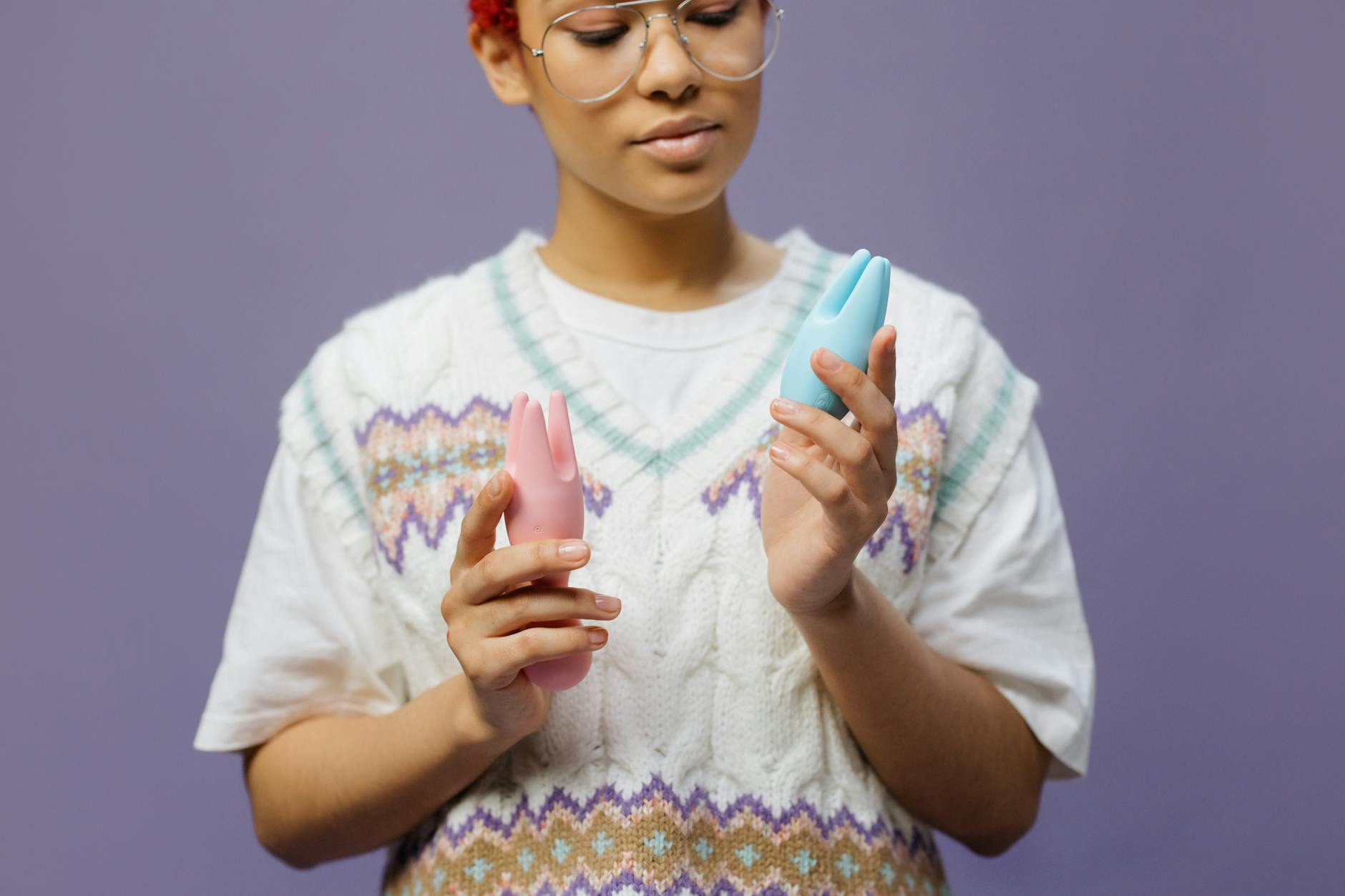
Here's the thing nobody tells you about birth control and pleasure
Hormonal contraceptives don't just prevent pregnancy. They rewire how your body responds to touch, how quickly arousal builds, and sometimes whether orgasm feels the same at all. You're not imagining it. You're also not broken. Your nervous system is just working with a different chemical baseline.
The tricky part is that everyone's experience lands differently depending on the type of contraceptive, your body's tolerance, and your baseline sensitivity. What shifts for one person stays stable for another. But if you've noticed your lemon vibrator or any clitoral vibrator feels weirdly different since you started hormonal birth control, there's a real physiological explanation worth understanding.
How hormonal birth control rewires sensitivity
Hormonal contraceptives work by suppressing ovulation, which means your estrogen and testosterone fluctuate in a completely new pattern. Here's where it gets interesting: both hormones directly affect nerve sensitivity in the clitoris and surrounding tissue.
Estrogen influences blood flow to the genitals and affects how responsive nerve endings are to stimulation. Lower estrogen (which happens on many birth control methods) can mean slower blood flow and slightly reduced nerve sensitivity. Testosterone, which you produce regardless of your sex, is a major driver of desire and genital sensation. Most hormonal birth controls suppress testosterone to some degree.
The result? Many people report that arousal takes longer to build, orgasms feel less intense, or sensation feels muted. Some describe it as "harder to feel it" when using a lemon sucker or traditional vibrator. Others notice they need stronger stimulation to reach the same point they did before. A few people actually feel more sensitive. The variance is real.
Why lemon vibrators respond differently to hormonal shifts
Air-suction technology works by creating gentle pressure waves that stimulate the clitoris without direct friction. Because of that design, lemon vibrators like the Lem are actually more adaptable to sensitivity changes than traditional vibrators.
Here's why: if your clitoris is less sensitive, a traditional vibrator might feel muted because you've lost some nerve response. But a lemon clitoral vibrator's suction mechanism stimulates deeper nerve clusters that estrogen and testosterone affect less directly. You're accessing sensation through a different neurological pathway.
That said, some people on hormonal birth control still find they need to start at a higher intensity setting or use longer warm-up time before using any vibrator. The mechanism doesn't eliminate the hormonal shift. It just works with your body's changes more elegantly.
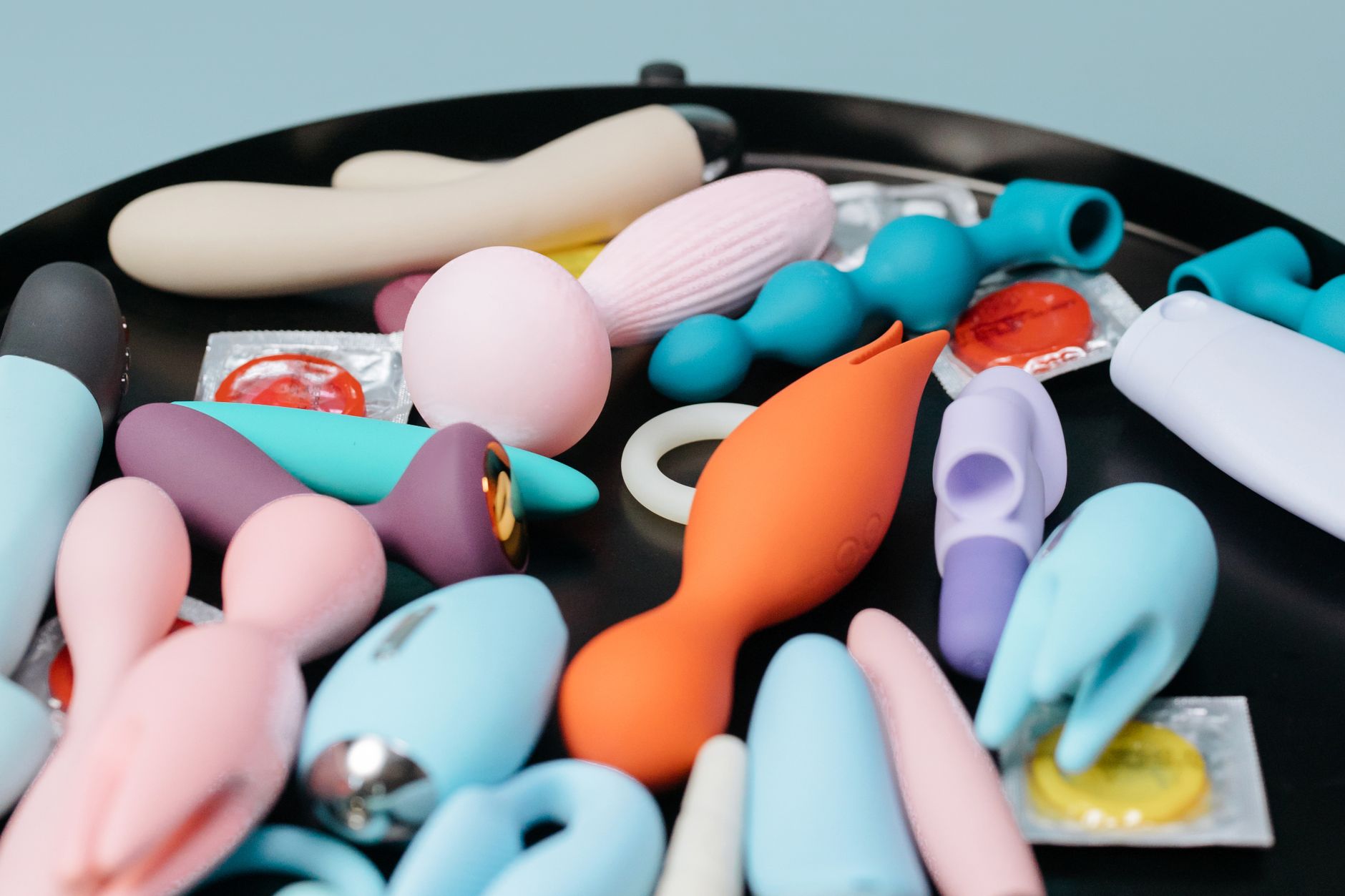
Photo by cottonbro studio on Pexels
Different birth control methods hit differently
The type of hormonal contraceptive you're using matters. Here's the breakdown:
The pill, patch, and ring suppress ovulation and typically lower testosterone moderately. Many people report the biggest shifts happen in the first three months, then your body adjusts. Some find sensitivity stabilizes around month six. Others find it stays different and that becomes their new normal.
The hormonal IUD releases hormones directly into your uterus with minimal systemic absorption, which means less impact on circulating testosterone and estrogen. Some people report fewer sensitivity changes with hormonal IUDs than with the pill. Not all, but some.
The implant and injection deliver higher, more consistent doses of progestin. People sometimes report more noticeable shifts in desire and sensation than with other methods.
The point: if you've been using one method and thinking your body is broken, switching to another might actually change how lemon vibrators or any adult toy feels. It's worth a conversation with your gynecologist if pleasure shifts are significant.
The arousal timeline shift is the most common change
Maybe the most noticeable thing isn't sensation loss. It's speed. Lots of people on hormonal birth control say arousal takes longer to activate. Your body might need 15 or 20 minutes of warm-up instead of five. Your mind might take longer to shift into pleasure space.
This is completely manageable. It just requires permission to slow down. That's actually not a bad thing. Slower arousal often means more sustained pleasure and sometimes stronger orgasms once they arrive.
When using a lemon vibrator or any clitoral vibrator with slower arousal:
Start with lower intensity settings and sit with them longer. Don't jump to pattern three or four immediately. Your body needs time to wake up. Use extra lubricant, even if you normally don't need it. Hormonal birth control can subtly reduce natural lubrication, and adding a good water-based lube removes friction that interrupts arousal. Create real mental space. Tell your partner you need uninterrupted time or put your phone away if you're solo. A longer warm-up only works if your brain isn't divided.
Orgasm quality sometimes changes (and sometimes improves)
This is where it gets paradoxical. Some people report orgasms feel shallower or less intense on hormonal birth control. Others say they finally have consistent orgasms for the first time. A few describe them as feeling "different but not worse," more localized or more full-body depending on the month.
The hormonal shifts can redistribute where you feel pleasure. The clitoral orgasm might feel slightly less concentrated while the full-body sensation intensifies. Or vice versa. Your nervous system is remapping itself.
If you're chasing the same orgasm you had before birth control, you might chase indefinitely. Instead, spend time exploring what your current body feels. A lemon clitoral vibrator is genuinely good for this because the sensation is distinct enough that you can notice nuance. Try different intensities. Notice which settings feel best now, not which felt best two years ago.
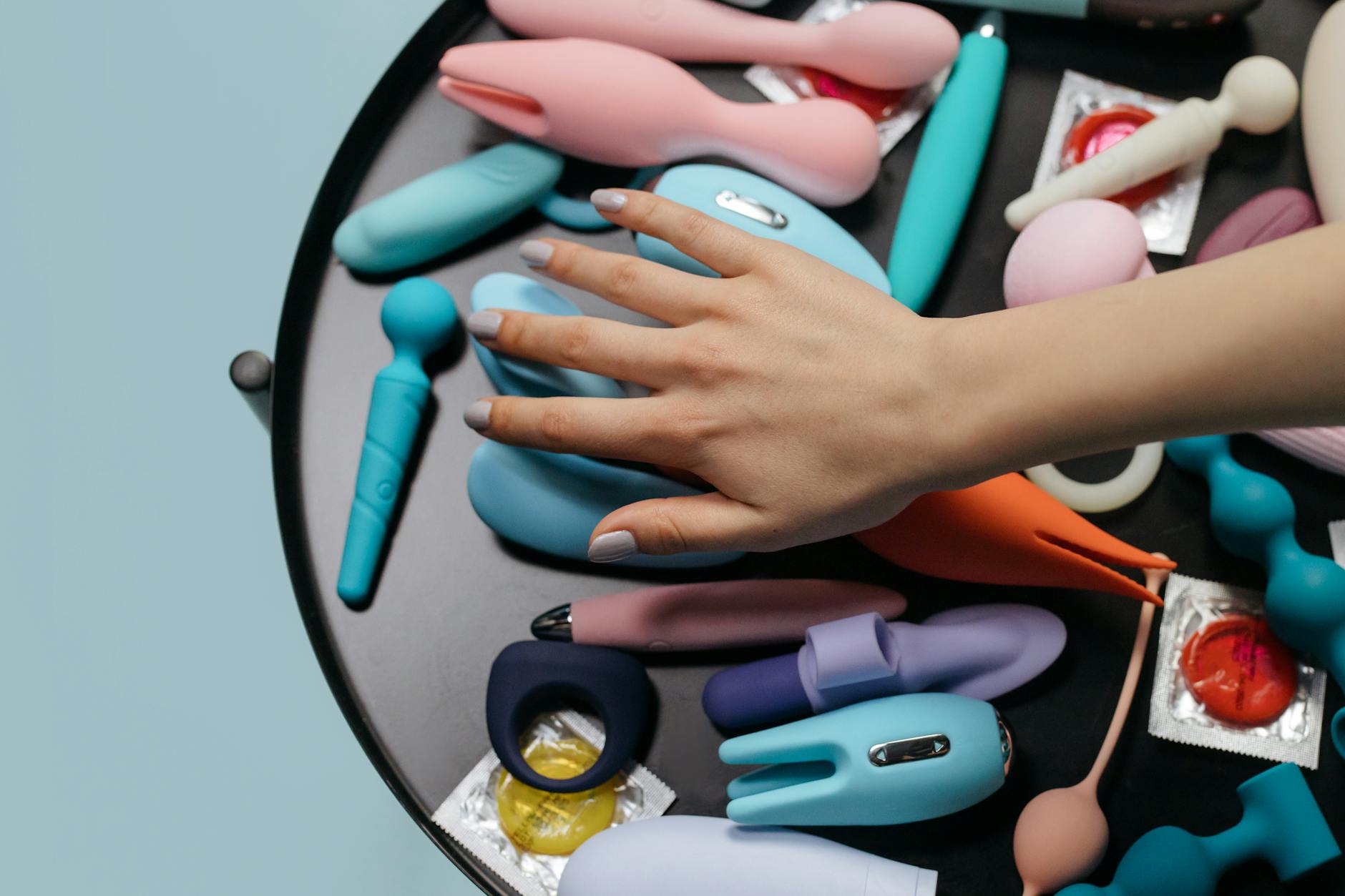
Photo by cottonbro studio on Pexels
When to adjust your approach versus when to get support
If sensitivity or arousal shifts feel mild and you've had a few months to adjust, you probably just need to adapt your routine. Longer warm-up time, different intensity settings, extra lubricant. That's normal and manageable.
If desire completely tanks, if you have pain during sex or masturbation, or if nothing feels good anymore after months on a method, that's worth discussing with your doctor. Sometimes switching contraceptive types or exploring non-hormonal options is the right call. Pleasure matters. Your sexual health is part of your overall health.
Also worth knowing: some people find that the first few months on a new birth control method are the hardest. Your body is adjusting. By month four or five, sensitivity and arousal might normalize as your system adapts. Give yourself that runway before assuming the changes are permanent.
How to use lemon vibrators successfully with hormonal birth control
If you're on hormonal contraceptives and exploring how lemon vibrators work with your changing body, here's what usually works:
Start at intensity level one or two. Wait. Let your body wake up. Explore the feeling before you amplify it. Your clitoris needs time to engorge with blood. Rushing intensity defeats that. Use water-based lubricant generously. Even if you produce natural lubrication, adding external lube removes micro-friction that can feel uncomfortable on hormonally-shifted tissue. Budget more time for solo sessions. If you normally spend 10 minutes, try 20. The slowness isn't a problem. It's the adjustment.
Notice what changes month to month. If you're on a cyclic birth control method (pill packs with placebos), you might find sensitivity varies slightly. Some people feel more sensation right before placebo week. Others feel it more stabilized throughout. Tracking this takes maybe a month and then you know your body's pattern.
The bigger picture: birth control is a trade-off
Hormonal birth control prevents pregnancy, regulates periods, and sometimes clears skin or reduces cramps. The pleasure shifts are real but they're also negotiable. For some people, the stability and efficacy outweigh sensation changes. For others, the shift in pleasure matters more than the convenience.
Neither choice is wrong. But it helps to make that choice with full information. You're not losing capacity. You're working with a different chemical setup. And with the right approach, lemon clitoral vibrators and other tools adapt beautifully to whatever your body is doing.
Your pleasure deserves attention, not as an afterthought, but as part of your actual health. If birth control is affecting it significantly, that's information worth using.
People also ask
Why does hormonal birth control reduce clitoral sensitivity?
Hormonal contraceptives lower circulating testosterone and stabilize estrogen at lower-than-natural levels. Both hormones directly affect nerve sensitivity and blood flow to the clitoris. Reduced blood flow and lower hormone signaling can mean nerve endings are less responsive to touch. This isn't permanent or irreversible. It's just how your body adapts to the hormonal profile the birth control creates. Some people adjust within months. Others stay adjusted for the duration they use the method.
Can you use a lemon vibrator if you're on the pill?
Absolutely. Lemon vibrators work on the pill, patch, ring, implant, and injection. The question isn't whether you can use them, but how you might need to adjust. You may need longer warm-up, different intensity settings, or extra lubricant. Air-suction technology like the Lem is actually designed to work across varying sensitivity levels, so many people find that lemon clitoral vibrators feel more accessible than traditional vibrators when they're on hormonal birth control. Start low, go slow, and let your body tell you what it needs.
Does birth control cause permanent loss of sensation?
No. Sensation changes from hormonal birth control are reversible. If you stop the method, your hormone levels return to your baseline and sensitivity typically returns within weeks to months. Some people stop a contraceptive and feel immediately different. Others take a few cycles for the shift to fully reverse. The key word is reversible. You're not losing nerve endings or capacity. You're adapting to a different hormonal environment.
How long does it take to adjust to birth control sensitivity changes?
Most people notice shifts in the first month or two. By month three, the changes usually stabilize. By month six, your body has typically adapted to the new hormonal baseline and what felt weird initially starts feeling normal. That said, some people adjust faster, and some take longer. Three to six months is the typical window where you can expect stabilization. If significant changes persist beyond six months, that's worth bringing to your doctor.
Should you stop birth control if it affects your pleasure?
That's deeply personal and depends on how significant the pleasure changes are and what birth control means for you otherwise. If the changes are mild and you've adjusted your approach (warm-up time, lube, different toy settings), you might decide the tradeoff is fine. If desire or sensation completely disappeared, that's a legitimate reason to explore other options with your doctor. Non-hormonal IUDs, barrier methods, or different hormonal formulations might work better for your body. Your pleasure is part of your health. Don't ignore it.
Do different birth control brands affect sensation differently?
Yes, somewhat. Different formulations of hormonal birth control contain different doses and types of hormones. A low-dose pill might affect sensation less than a higher-dose pill. A progestin-only method affects testosterone differently than a combined estrogen-progestin method. Your individual response also matters enormously. One brand might tank your sensitivity while another barely affects it. If you're on a method that's significantly impacting pleasure, talking to your doctor about alternatives worth trying is reasonable. It might take a couple of tries to find the right fit for your body.
Your pleasure matters as much as your contraception. If you're noticing shifts in how your body responds since starting hormonal birth control, you're not imagining it and you're not alone. Whether that means adjusting your approach with a lemon vibrator, exploring different settings, or having a conversation with your doctor about alternative methods, the information is yours to use. You deserve both effective contraception and genuine pleasure. Find what balances both.