The medication that saved your mood might have changed your pleasure
Let's be honest. No one tells you that SSRIs and SNRIs come with a side effect that lands somewhere between inconvenient and devastating: blunted or altered sexual sensation. Your mental health improves. Your anxiety lifts. And then one day you realize that something fundamental has shifted in your body's ability to feel pleasure.
This isn't a mood problem. This is a nervous system problem. And it's incredibly common. Somewhere between 40-60% of people taking antidepressants report some form of sexual dysfunction. That's not a small footnote. That's a majority experience, and yet it's rarely discussed with the clarity it deserves.
How antidepressants actually change sensation
When you start an SSRI or SNRI, the medication increases serotonin and sometimes norepinephrine availability in your brain. That's why it works for depression and anxiety. But those same neurotransmitters are everywhere in your body, including in the neural pathways that control arousal and orgasm.
Here's what happens physiologically. Serotonin has a dimming effect on sexual response. High serotonin is great for mood stability. It's not great for the spontaneous firing of your parasympathetic nervous system, which is what you need for arousal to build naturally. The drug essentially acts as a gentle brake on the very system that generates desire and sensation.
Additionally, some of these medications can affect dopamine, which is critical for that initial spark of wanting sex at all. And then there's the effect on blood flow and genital sensitivity. The tissues involved in arousal don't receive the same vascular response they used to. Touch feels duller. Orgasm takes longer to build, or feels less intense when it arrives.
The cruel part is that your depression lifting can mask what's happening. You feel better emotionally, so you assume everything else is fine. Then you try to have sex and realize something's changed.
Which antidepressants cause the most sensation changes
Not all antidepressants affect pleasure equally. SSRIs like sertraline, paroxetine, and fluoxetine have the strongest sexual side effects. SNRIs like venlafaxine sit in the middle. Bupropion (Wellbutrin) and tricyclic antidepressants like amitriptyline actually have less impact on sexual function, sometimes even improving it. This variation matters for your doctor.
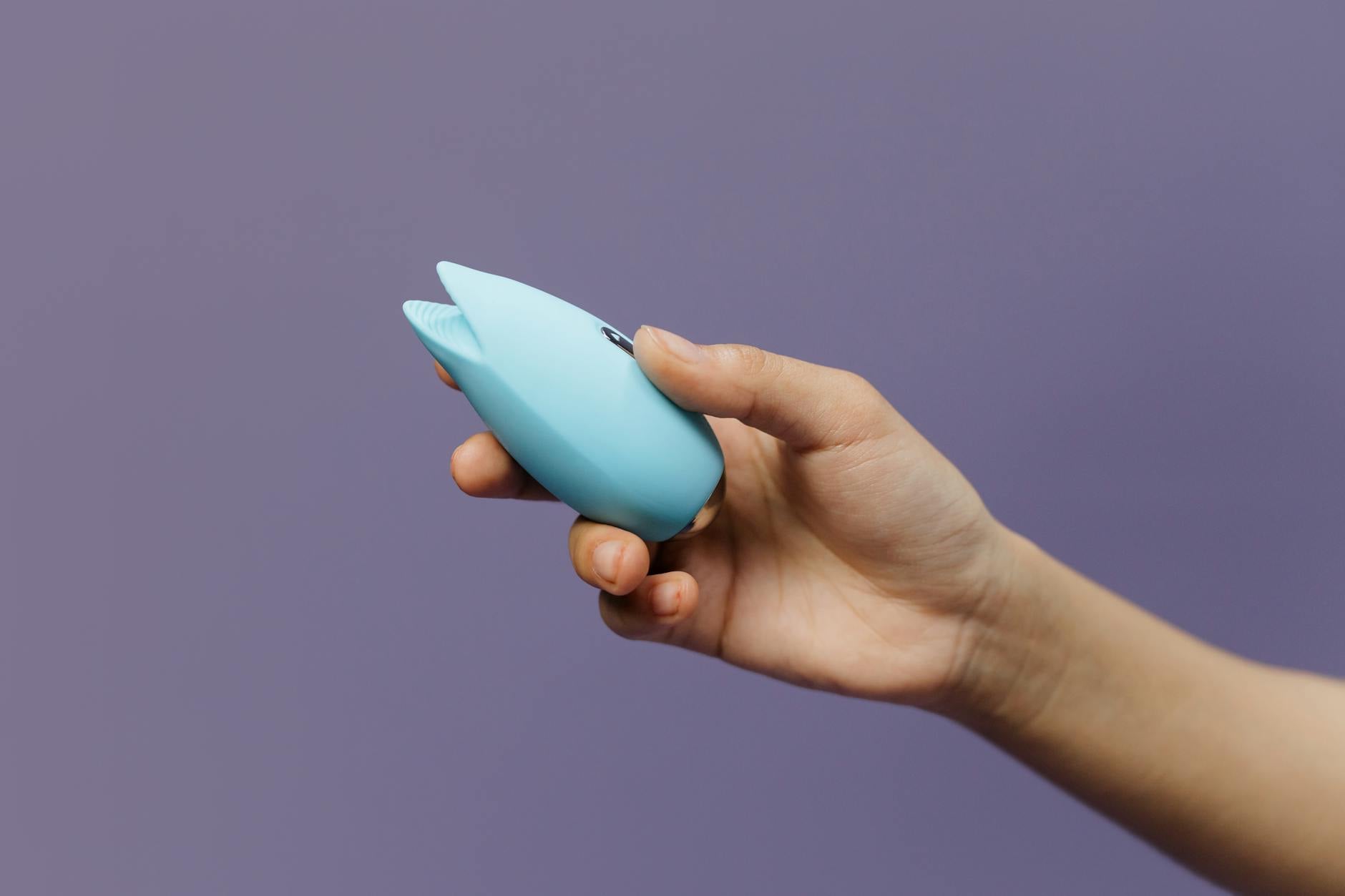
If you're on a medication that's working brilliantly for your mental health, the answer isn't necessarily to switch drugs. The answer is usually to understand what's changed and adapt your approach to pleasure. That's where clitoral vibrators like a lem vibrator become genuinely useful.
Why sensation feels different specifically
Your clitoral tissue is incredibly sensitive. It's packed with thousands of nerve endings. When your medication is dampening signal transmission throughout your nervous system, that sensitivity gets turned down like a volume dial. A touch that used to send electricity through you now barely registers. You might find yourself thinking, "Is my vibrator broken, or am I?"
It's neither. Your brain is just processing sensory input differently. The threshold for sensation has shifted. You need different kinds of stimulation to access the same pleasure you used to feel. Some people need stronger, more direct stimulation. Others need sustained pressure rather than rapid vibration. Some need a completely different approach, like suction-based clitoral stimulation, which works through a different neural pathway than traditional vibration.
This is also why medication changes or dosage adjustments can suddenly make a difference. If your doctor adjusts your prescription, even slightly, your body's response can shift noticeably.
How to reconnect with lemon vibrators and clitoral toys
If you're experiencing blunted sensation, here's what actually works.
First, accept that you might need different tools or settings than you used before. That's not a failure. That's adaptation. A lemon clitoral vibrator or other personal massager gives you options to explore what works now. Start with lower intensity settings and work up. Many people find that once they find the right pattern or pressure for their changed neurology, pleasure returns fully.
Second, understand that timing matters. Antidepressants don't blunt sensation consistently throughout the day. Some people find that pleasure returns more easily in the morning, or at certain points in their cycle if they menstruate. Pay attention to when your body feels most responsive.
Third, if you're in a relationship, this is worth discussing explicitly with your partner. The conversation isn't "my medication broke my sex drive." It's "my body processes sensation differently now, and here's what helps me feel good." When both of you understand that it's a medication effect and not an attraction issue, it becomes something to solve together, not something to resent.
When to bring this to your doctor
If you're experiencing sexual dysfunction from antidepressants, your prescriber needs to know. Too many people suffer silently because they assume it's an unavoidable trade-off. It's not. You have options.
Your doctor might suggest dosage adjustment, timing the dose differently (some people take their SSRI before bed to minimize daytime effects), or switching to a medication with fewer sexual side effects. Some people add a second medication to counteract sexual dysfunction. Others find that their body adjusts after a few months, and sensation gradually returns.
The key is communication. If your psychiatrist or GP dismisses this as "not a big deal," that's a sign to find someone who takes sexual health seriously. Your pleasure matters. It's not frivolous. It's part of your overall wellbeing.
The patience part (which no one wants to hear)
Rewiring sensation takes time. If you've been on antidepressants for years, your nervous system has adapted to processing stimulation differently. Reconnecting with pleasure is usually gradual. It might take weeks of exploration to find what actually works for your changed body.
Some people find that exploring sensation without the goal of orgasm helps. Use a lem vibrator or clitoral massager purely for sensation play, with no performance pressure. Your body might be processing pleasure differently, but the capacity is still there.
When sensation doesn't come back
For a small percentage of people, antidepressant-induced sexual dysfunction persists even after time, medication adjustments, and exploration. This is called post-SSRI sexual dysfunction, and it's rare but real. If this is you, sex-specific therapy (somatic experiencing or sensate focus) can sometimes help. A relationship therapist or sex therapist trained in working with medication-affected bodies is worth the investment.
You might also consider whether your mental health medication is still the right choice. Sometimes the trade-off between emotional stability and sexual function shifts as your life circumstances improve. That's a conversation worth having with your doctor.
Rebuilding pleasure after antidepressants
Your body didn't break. Your medication changed how it processes sensation. That's fixable, usually, and it almost always improves with time, the right information, and tools designed for changed sensation. Many people report that their most intense, satisfying orgasms came after they figured out how to work with their medication-altered body rather than against it.
You deserve pleasure. That doesn't stop being true because your neurotransmitters shifted.
People also ask
How long does it take for sensation to return after starting antidepressants?
Some people experience blunted sensation within days of starting an SSRI, while others take weeks to notice. The timeline for recovery varies wildly. Some people's bodies adjust naturally within 1-3 months as your nervous system recalibrates. Others find that sensation stays dampened as long as they're on the medication. There's no standard answer, but if you're going to see improvement, it usually shows up in the first few months. If sensation hasn't improved by month six, it's worth talking to your doctor about alternatives.
Can I use clitoral vibrators while on SSRIs?
Absolutely. In fact, many people find that clitoral vibrators become more necessary, not less. Because your sensation threshold has shifted, a lem vibrator or other clitoral massager can provide the stronger, more direct stimulation your changed nervous system needs to register pleasure. The intensity and type of vibration that works is personal, so experiment with different patterns and speeds to find what your body responds to now.
Does every antidepressant cause sexual dysfunction?
No. Bupropion (Wellbutrin) has the least sexual side effects of the antidepressants. Mirtazapine sometimes improves sexual function. Tricyclic antidepressants vary. The SSRIs (sertraline, paroxetine, fluoxetine) and most SNRIs have higher rates of sexual dysfunction. If you're experiencing blunted sensation, talk to your doctor about whether switching medications is an option. Sometimes the right antidepressant for your mood is also better for your sexual health.
Will lowering my antidepressant dose help with sensation?
Maybe. Lower doses mean less serotonin-dampening effect on your sexual response. But you also risk your depression or anxiety returning. This is exactly the conversation to have with your prescriber. Some people find that a lower dose works for both their mental health and their sexual function. Others find that even a small reduction destabilizes their mood. There's no universal answer, but the option is worth exploring.
What's the difference between blunted sensation and anorgasmia?
Blunted sensation means touch feels duller or less intense, but you can still build arousal and reach orgasm, usually with more time or stronger stimulation. Anorgasmia means you can't reach orgasm at all, no matter how much stimulation you use. Both are antidepressant side effects, but they're different problems with different solutions. If you're dealing with complete anorgasmia, that's definitely worth bringing to your doctor's attention. It often responds to medication adjustment or the addition of a second drug.
Is it normal for pleasure to feel different after months on antidepressants?
Yes. Your nervous system doesn't stabilize immediately. Some people experience progressive changes in sensation over the first 3-6 months as the medication fully settles into your system and your brain chemistry rebalances. This can feel confusing because you might think you'd adjusted, then notice another shift. That's normal. Your body is recalibrating. Once you reach a stable point (usually around 6 months), sensation typically plateaus at its new normal.
If you're navigating changes in pleasure after starting antidepressants, you're not alone, and you're not broken. Your body is adapting to chemistry that saved your mental health. That's worth celebrating, even if it means rebuilding your approach to physical sensation. Consider reaching out if you'd like to discuss your specific situation. We're here to help you reconnect with pleasure on your terms.