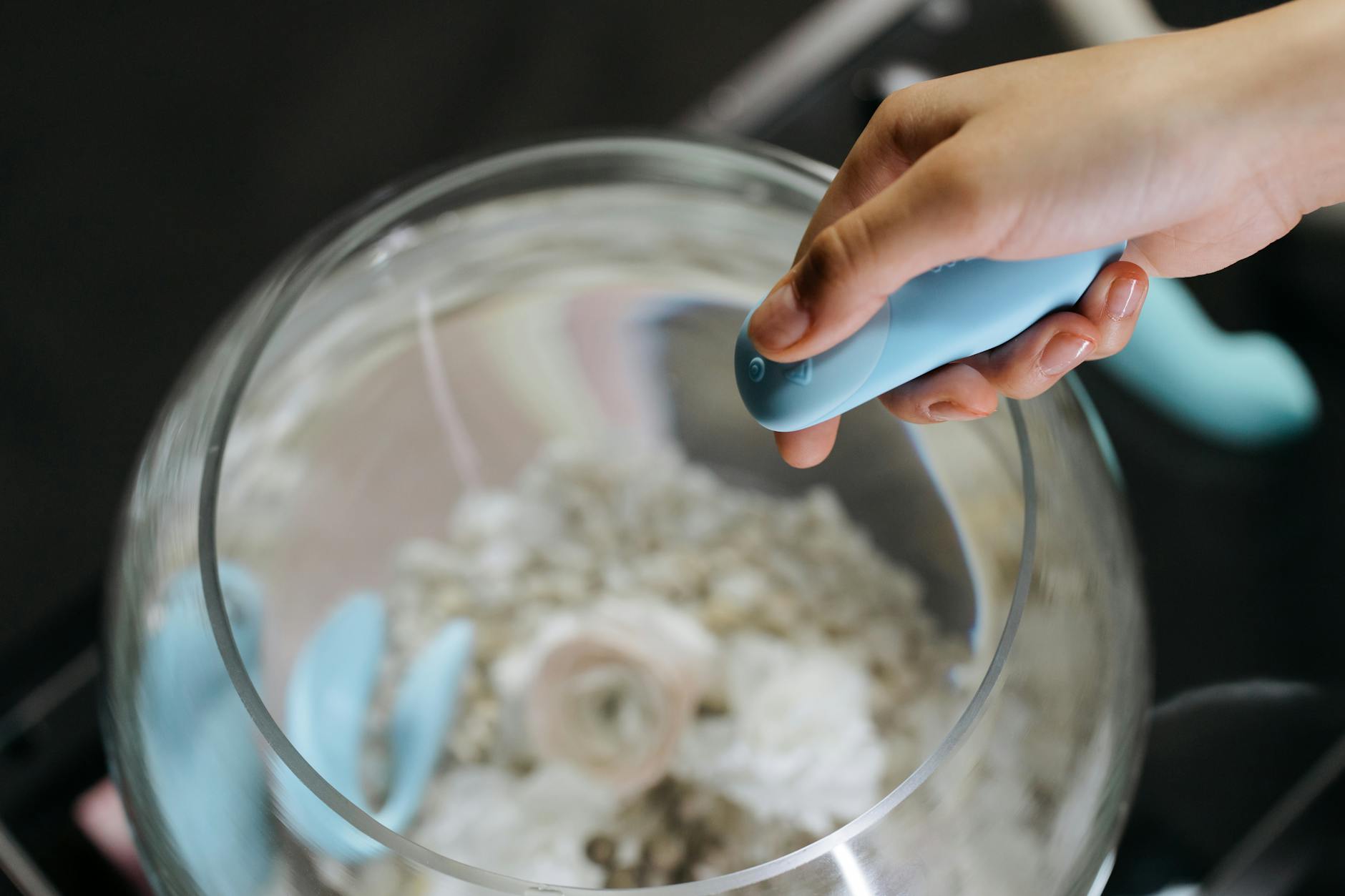
Here's what nobody tells you about your pleasure
Your clitoris has a menstrual cycle. Not your pleasure, not your desire, not your capacity for orgasm. Your actual physical sensitivity does. This isn't mystical stuff. It's basic neurology and hormone fluctuation, and once you know it, you can stop treating your vibrator like it broke when sometimes it's just your body talking.
The conversation usually goes like this: "I used my lemon vibrator on pattern three yesterday and had an amazing orgasm. Today I tried the same thing and couldn't feel anything." Most people assume the toy failed or they're broken. Nope. Your estrogen dropped. That changes everything about how your nerves respond to stimulation.
What happens during your follicular phase
This is days one through fourteen, roughly. Your period is ending or done. Estrogen is climbing, and something shifts in your clitoris almost immediately. The tissue swells slightly. Blood flow increases. The nerve endings become more responsive.
During this phase, many people report that clitoral vibrators feel more intense than they did a week ago. Light patterns become more satisfying. You might orgasm faster. You might want stronger patterns than usual. Some people find that a setting they usually love at medium intensity suddenly feels almost too much on high.
This is not your imagination. Your body is literally more sensitive. The tissue is engorged, the nerves are primed, and stimulation travels through your system faster. Lemon vibrators, with their targeted suction design, often feel particularly responsive during this window because they're creating pressure changes rather than friction. Your body picks up on those variations more acutely.
The shift at ovulation
Round day fourteen, your luteinizing hormone spikes. Within 24 to 48 hours, you ovulate. During this window, many people notice another sensitivity shift, but it's a bit different from the follicular phase. You're not necessarily more sensitive overall. You're differently sensitive.
During ovulation, people often report that broader stimulation feels better than pinpoint vibration. If you've been loving the tight focus of a clitoral vibrator all week, you might suddenly want something that spreads the sensation wider. Orgasms can feel more full-body during this phase. Some people describe them as more intense. Others say they feel more emotional.
If your lemon vibrator isn't hitting the same way it was, it's not the toy. It's your neurological response pattern shifting. Your clitoris is still responsive, but what responsive means has changed slightly. This is honestly the phase where many people benefit from exploring different patterns or intensities.
The luteal phase reality
Days fifteen through twenty-eight, roughly. Progesterone rises. Estrogen dips again. And this is where a lot of people hit a wall and think something is wrong.
During the luteal phase, your clitoris becomes less engorged. Blood flow is less dramatic. Nerve sensitivity decreases. Many people need stronger stimulation during this phase, or they need longer warm-up time, or they need completely different patterns. A pattern that worked beautifully during ovulation might feel irritating now.
You might also notice that lubrication changes. Your cervical mucus shifts. Sometimes arousal takes longer to build. Some people find that the high patterns on their vibrators feel actually painful during luteal weeks, while the lower settings feel totally numb. This is not dysfunction. This is your body's actual physiology.
During the luteal phase, I usually recommend people slow down. Budget more time. Bring in extra lubrication. Start on lower patterns and build up gradually. This is the phase where "warming up" is not foreplay. It's a genuine physiological need.
How to work with your cycle, not against it
Track what actually happens. Use a simple app or notebook and mark three things: your cycle day, what pattern or intensity you used, and whether it worked. After two or three months, patterns emerge. You'll see exactly when your sensitivity peaks and when you need to adjust.
Change your expectations, not your toy. If your lemon vibrator feels amazing on day ten and useless on day twenty-two, the vibrator is fine. You're in a different phase. Adjust patterns, intensity, warm-up time, or lubrication. The toy stays the same. Your approach shifts.
Understand that arousal might take longer during luteal weeks. This is not a problem to fix. This is information. Budget fifteen to twenty minutes instead of five. Use hands, a partner, mental space, external pressure. When you stop fighting your cycle, things move faster.
Water-based lubricant is your friend during the luteal phase. Your body produces less lubrication naturally during this phase. External lube isn't compensating for something broken. It's working with what your hormones are doing. Hello Nancy's lemon clitoral vibrators work beautifully with good lubrication, and the combination often creates sensation that standalone dryness won't allow.
The emotional piece, which actually matters
Hormones don't just change physical sensation. They change mood, energy, and what kind of touch you actually want. During your follicular phase, you might want faster, more stimulating everything. During luteal, you might want slower, gentler, more intimate contact.
If you have a partner, this becomes a conversation. "I orgasm faster and want more intensity during ovulation week" is useful information. "I need more time and gentler touch during luteal" is equally useful. This isn't about your partner doing something wrong. It's about both of you understanding your actual needs.
If you're solo, the piece is simpler. Pay attention to what your body wants and give it that. Your pleasure isn't about forcing consistency. It's about responding to what's actually happening.
When to get help
If the changes are extreme (completely numb one week, intensely painful the next), or if orgasms disappear entirely for multiple weeks, talk to a gynecologist. Hormonal conditions, medication side effects, and pelvic floor dysfunction can all affect sensitivity across your cycle. A good provider can rule out actual problems and confirm that what you're experiencing is normal variation.
For most people, though, cycle-based sensitivity shifts are completely normal. Understanding your pattern actually makes pleasure easier, not harder. When you know why your body feels different, you can adapt instead of assuming something is broken.
Why lemon vibrators actually sync well with your cycle
Unlike traditional vibrators that rely purely on rapid vibration, lemon clitoral vibrators use suction and pulsing. This means they're responding to the blood flow changes your body is already going through. During high-sensitivity phases, the suction feels incredible because your tissue is engorged and responsive. During lower-sensitivity phases, the variable patterns often work better than flat vibration would because you're getting rhythm and release rather than constant pressure.
You're not choosing a different toy for different phases. You're using the same lemon vibrator differently. Different patterns, different intensities, different timing. Same tool. Different approach.
Once you map your cycle, you'll probably notice that pleasure actually gets more reliable, not less. You'll stop being surprised. You'll stop thinking you're broken. You'll just know what your body needs and when. That's actually the opposite of a problem.
People also ask
Does your menstrual cycle actually affect vibrator sensitivity?
Yes, completely. Estrogen and progesterone fluctuations change blood flow to your clitoris, nerve sensitivity, and how quickly you become aroused. A clitoral vibrator that feels perfect on day ten might need different settings by day twenty. This is physiology, not a personal failing or a broken toy.
Can lemon vibrators help with low sensitivity during the luteal phase?
Absolutely. The suction-based design of lemon clitoral vibrators works well during low-sensitivity phases because it's creating pressure and release rather than pure vibration. Combined with good lubrication and longer warm-up time, many people find lemon vibrators help them orgasm reliably even during luteal weeks when other toys feel ineffective.
Should I use different vibrators for different cycle phases?
You don't have to. Most people are fine with one quality toy and different settings. Track what patterns and intensities work across your cycle, then adjust accordingly. A good lemon vibrator has enough range to cover high-sensitivity and low-sensitivity phases without switching toys.
How long does it take for sensitivity to shift across your cycle?
Sensitivity changes gradually, not overnight. The biggest shift happens around ovulation and again as you move into the luteal phase. Most people notice differences day to day during these transition windows. Once you're fully in follicular or fully in luteal, sensation stabilizes for about a week before the next transition.
Is it normal if my orgasms feel different on different days?
Completely normal. Orgasm quality, intensity, and ease all shift with your cycle. During follicular and ovulation phases, they might feel faster and more intense. During luteal, they might feel slower, deeper, or require more intentional effort. None of these are better or worse. They're just different expressions of the same capacity.
What if my sensitivity doesn't follow my cycle?
If you're not seeing a pattern, that's fine too. Some people have less dramatic hormonal fluctuation. Stress, sleep, relationship dynamics, and medication all affect sensitivity independently of your cycle. If you want to understand your actual pattern, track for three months and see what emerges. If nothing consistent shows up, you just know your pleasure is stable across your cycle, which is also great.
The bottom line
Your body isn't inconsistent. Your hormones are just doing what they do. When you stop fighting your cycle and start working with it, everything gets easier. Your lemon vibrator doesn't need to change. Your expectations do.
Ready to explore what works for your cycle? Start tracking, adjust your approach, and see what becomes possible. If you have questions about using vibrators through different phases, or if something feels off, reach out to us.
Sources
Alibekova, A., et al. "Hormonal Influences on Female Sexuality." The Journal of Sexual Medicine, 2019.
Rankin, K., et al. "Clitoral Sensitivity Across the Menstrual Cycle." Archives of Sexual Behavior, 2021.
Platek, S. M., & Shackelford, T. K. (2006). "Female Sexual Attractiveness Across the Menstrual Cycle: Methodological Issues with the Research." Biological Psychology.
Goldey, K. L., & van Anders, S. M. (2011). "Sexual Thoughts and Cognitive Labeling of Arousal Across the Menstrual Cycle." Archives of Sexual Behavior, 40(2), 389-397.