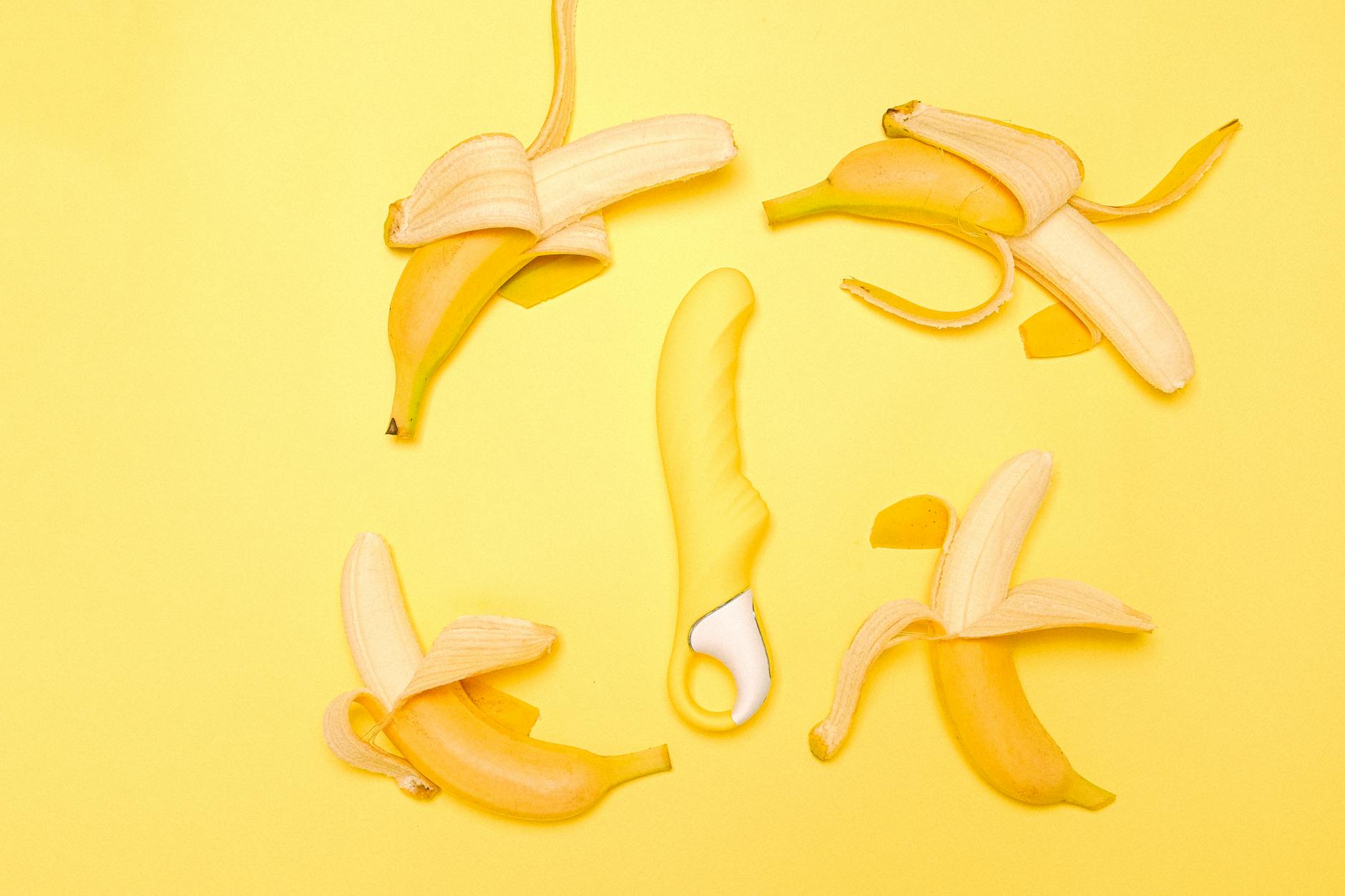
Let's talk about reclaiming your body
Relationship trauma rewires how you experience touch. Your nervous system learns to brace instead of relax. Pleasure becomes complicated. The thing is, solo play with lemon vibrators isn't about forcing yourself to feel good again. It's about teaching your body that sensation can happen on your terms, without negotiation or pressure.
That distinction changes everything.
Why solo play matters during recovery
When you've been hurt in a relationship, your body holds the memory of that harm. You might flinch at unexpected touch. You might freeze mid-pleasure because a sound or smell triggered something. You might feel guilt for wanting pleasure at all. That's all normal. That's your nervous system doing exactly what it learned to do.
Solo exploration with a lemon clitoral vibrator works differently than partnered sex because there's no negotiation, no one's expectations, no risk of disappointment or rejection. You control the speed, the intensity, the duration, and crucially, you can stop whenever you need to. That agency is the foundation of healing.
Research in trauma recovery consistently shows that rebuilding positive sensation experiences in a safe, controlled environment helps rewire the nervous system's threat response. You're not erasing what happened. You're creating new neural pathways that tell your body: this touch is safe, this is mine, I can feel good again.
Starting with your own pacing
Here's what I tell clients: there's no rush and no right way to do this. Some people need weeks of exploration before anything feels like pleasure. Some people touch a lemon vibrator and immediately feel dysregulated. Both responses are fine.
Start by holding the device without turning it on. Let it sit in your hand while you breathe. Notice the weight, the texture, the temperature. Your goal right now isn't arousal. It's familiarity. Spend a few sessions just existing with the toy in your space without any expectation.
When you're ready to turn it on, start with the lowest setting. You're not looking for intensity. You're looking for sensation you can control and pause. Many people find that the gentle suction pattern of lemon vibrators feels safer than traditional vibration because it's more of a sustained stimulation than a buzzing sensation. It gives your nervous system a rhythm to follow instead of surprise.
Creating actual safety, not just the idea of it
Your environment matters more than you might think. If you're in a space where you might be interrupted, your nervous system stays partially activated waiting for that interruption. That's not helpful. Lock the door. Put your phone in another room if possible. Tell anyone you live with that you need private time and won't be available.
The temperature of your space and your body matters too. When you're cold or tense, pleasure is harder to access. Warm up first. A bath beforehand, a heating pad, even just moving your body for a few minutes can help your nervous system feel more settled.
Consider playing music or white noise. Some people find silence triggering because it means they have to sit with their own thoughts. Others find that sound creates space between them and intrusive memories. You get to decide.
All of this is part of reclaiming your body's experience of safety.
What to do if dysregulation happens
You might be exploring, feeling good, and suddenly flashbacks or panic hit. Your body might tense up. You might feel flooded. This happens. It doesn't mean you're broken or that solo play is the wrong approach.
First, pause immediately. There's no medal for pushing through. Turn off the lemon vibrator. Put it down. Ground yourself in the present moment. Feel your feet on the floor. Name five things you can see, four you can touch, three you can hear. Your nervous system needs to know the present is safe and the past isn't happening right now.
When you're ready, move your body gently. Stretch. Walk to another room. Change the temperature or the light. Your brain needs a clear signal that you've moved to a different context.
Then ask yourself: did I trigger myself, or did the toy trigger me? Sometimes it's the sensation itself that needs to be different. Sometimes it's the environment. Sometimes you just need a break and that's completely valid. You don't have to figure it out immediately.
Building capacity slowly
Healing isn't linear and it's not fast. Over weeks and months, you might notice that you can tolerate sensation for longer. That you don't brace as much. That your mind stays present instead of leaving. Those tiny shifts are the work happening.
Some people find it helpful to journal after exploration. Not about how good it felt, but about what you noticed. Did your breathing change? Did any emotions come up? Did you feel safe? This builds awareness of your own nervous system.
Many of my clients find that working with a trauma-informed therapist alongside solo exploration is the most effective approach. You're literally rewiring your nervous system. Having professional support makes that process less lonely and more effective.
When partnered pleasure might eventually return
I want to be clear: reclaiming solo pleasure doesn't mean you have to want partnered sex ever again. Some people do. Some people don't. Both are valid. If you do want to eventually share pleasure with someone, solo exploration with tools like lemon clitoral vibrators is how you practice trusting your own body first. You learn what feels good. You learn your own pace. You learn what sensations help you stay present.
That knowledge becomes your baseline when you eventually consider partnered play. It's the difference between someone else deciding what pleasure should look like and you knowing your own blueprint and bringing that to the table.
The permission part
Here's the thing that nobody tells you about trauma recovery: you have to give yourself permission to feel good. Not permission in the sense of needing someone else's approval. Permission in the sense of releasing the guilt that often comes with pleasure after harm.
You're not betraying anyone by exploring your own body. You're not being selfish or stupid or wrong. You're doing the slow, necessary work of proving to your nervous system that your body can be a place of safety and pleasure again. That's radical. That deserves to happen.
Your pleasure matters. Not eventually, not when you've healed completely, not when you've earned it. Now. As you are.
Frequently asked questions
Can I use lemon vibrators if I'm still in trauma processing?
Yes, but with the caveat that you might experience dysregulation. That's not a failure. It's information. Work with a trauma-informed therapist who can help you navigate the relationship between sensation and nervous system activation. Solo play can be part of healing, but it works best alongside professional support.
What if I feel guilty using a toy after relationship trauma?
That guilt often comes from internalizing messages that pleasure is selfish or that your body belongs to someone else. Reclaiming your pleasure is an act of healing, not selfishness. Your body belongs to you. Exploring that is reclaiming autonomy.
How long does it take to feel comfortable with solo play again?
There's no timeline. Some people take weeks, some take months or years. The speed doesn't matter. What matters is that you're moving at your own pace without pressure. If you're forcing it because you think you should be healed by now, you'll feel more dysregulated. Let yourself take the time you need.
Should I tell my therapist I'm using lemon vibrators for recovery?
If you're working with a sex-positive or trauma-informed therapist, absolutely. They can help you navigate what comes up. If you're not sure whether your therapist is sex-positive, you can ask directly. A good therapist will see solo exploration as a valid part of healing.
Can lemon vibrators help with anxiety during recovery?
Some people find that the rhythmic stimulation and focused attention required for solo play helps calm anxiety. Others find it triggering. Again, this is where knowing your own nervous system matters. If it helps, use it. If it doesn't, other grounding techniques might work better.
What if I never want partnered sex again after trauma?
That's completely valid. Reclaiming solo pleasure doesn't obligate you toward anything else. Your body, your choice, your timeline. Period.
The long view
Recovery from relationship trauma isn't about bouncing back to who you were. It's about moving forward to who you're becoming. Solo pleasure with tools like lemon clitoral vibrators is one part of that. It's the part where you get to practice being in your own body without anyone else's narrative. Where you get to learn what feels good without performance or obligation. Where you get to prove to yourself that you can feel good again.
That matters. You matter. Your healing matters. Your pleasure matters.
If you're ready to explore this alongside professional support, start small, go slow, and trust yourself. If you need additional resources or want to talk through what recovery might look like for you, reach out.