Let's talk about pelvic floor pain nobody brings up
You've probably heard about tension headaches, tight shoulders, sore lower back. But somehow pelvic floor pain feels like a secret that lives under a blanket. It's real, it's common, and for a lot of people, it's completely treatable once you understand what's actually happening in there.
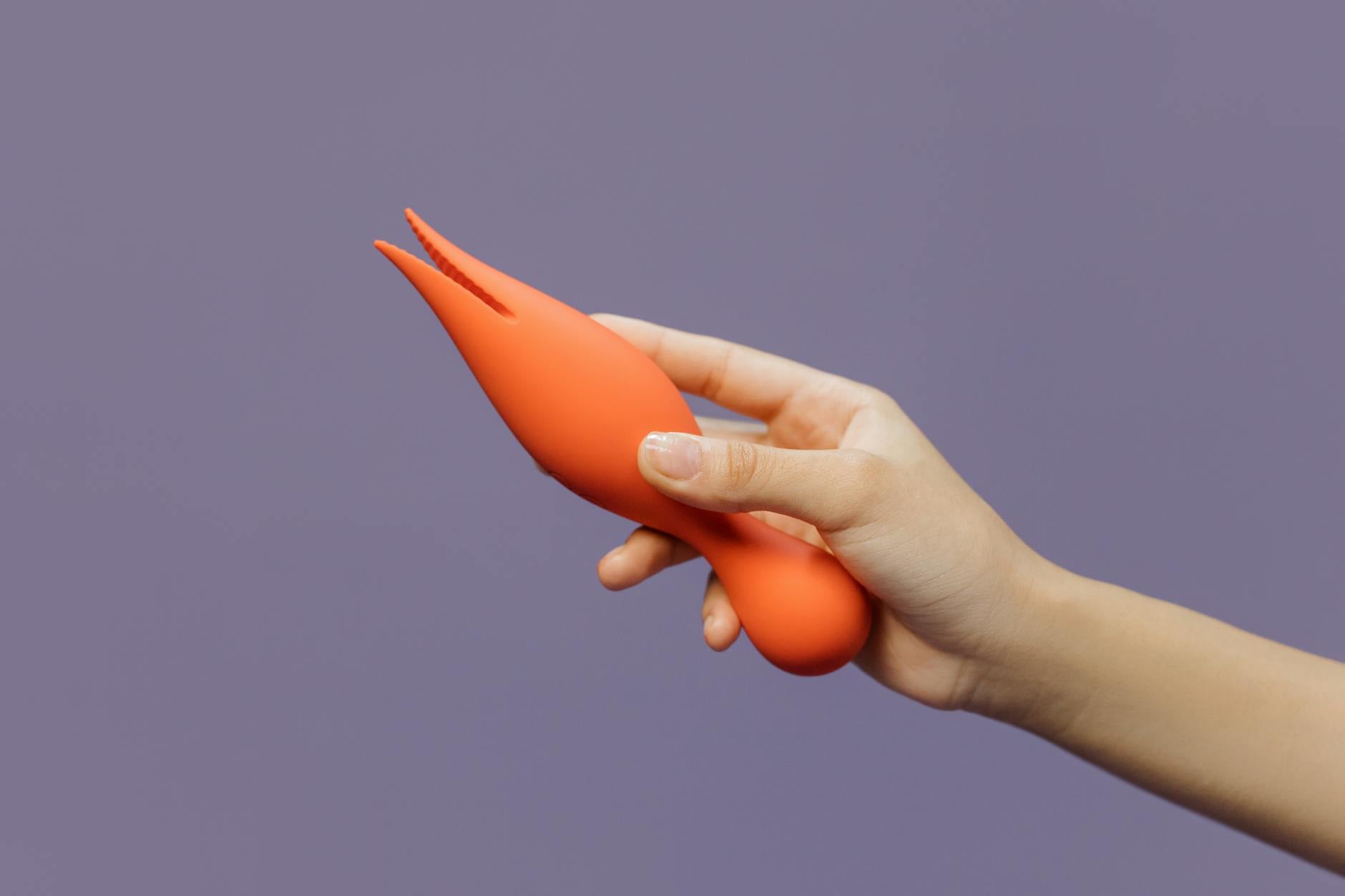
Here's the thing: traditional vibrators often make pelvic floor tension worse. They use rapid, repetitive vibration that can trigger the muscles to tighten even more when they're already locked up. Lemon vibrators work differently. The air-suction technology used in devices like the Lem creates a gentler, more therapeutic sensation that can actually help release tension instead of amplifying it.
Why your pelvic floor tightens in the first place
Your pelvic floor muscles support your bladder, bowel, and uterus. They also contract during arousal and orgasm. When you're stressed, anxious, or experience pain, those muscles clench and hold tension the same way your jaw does when you're upset. Over time, this creates a cycle: tension causes discomfort, discomfort causes more tension, and you're stuck.
Chronic pelvic floor tension can show up as:
- Pain or discomfort during penetration
- A persistent aching sensation in the pelvic area
- Difficulty with orgasm or sensation that feels numb
- Pain that radiates to the lower back or thighs
- Urinary urgency or frequency without infection
This isn't a willpower problem. It's a physiology problem. Your muscles need permission to relax, and sometimes they need help.
How air-suction technology differs from traditional vibration
Most vibrators use oscillating motors that move back and forth at high speeds. This vibration is designed to stimulate nerve endings through rapid movement. But when your pelvic floor is already tense and guarded, that rapid movement can feel invasive or triggering.
Lemon vibrators use pneumatic suction. Instead of vibration, the device creates a gentle rhythmic pulse that draws soft tissue into the chamber. This mimics the sensation of oral stimulation without the vibration component. For people with pelvic floor tension, this approach is often more approachable because it doesn't require the muscles to relax into a vibrating sensation.
The psychological difference matters too. Vibration can feel aggressive or clinical. Suction feels more organic, more like skin-to-skin contact. That shift in sensation alone can help your nervous system feel safe enough to let go.
The therapeutic release cycle
When you use a lemon clitoral vibrator on a regular basis, a few things happen:
Week one to two. You're introducing a new sensation. Your body is learning that this touch is safe. Muscles might still be guarded, but you're not fighting against the sensation.
Week two to four. If you're using the device gently and consistently, the muscles start to recognize the pattern. There's less resistance. The sensation becomes more pleasurable.
Week four and beyond. Many people report that the chronic tension has noticeably decreased. Orgasms feel more full-bodied. Pain during penetration (if that was a factor) often improves.
This isn't magic. It's nervous system retraining. Your pelvic floor learns that this stimulus is safe and pleasurable, not something to brace against.
Combining lemon vibrators with pelvic floor work
If you're dealing with chronic pelvic pain, using a lemon vibrator alone might help, but it's often most effective as part of a broader approach. A pelvic floor physical therapist can teach you how to contract and release the muscles intentionally. A therapist or counselor can help address any trauma or anxiety patterns feeding the tension.
Here's how they work together: during your pelvic floor PT session, you learn to relax the muscles. Then at home, using a lem vibrator helps reinforce that relaxation and reward it with pleasure. You're essentially teaching your nervous system that releasing the tension feels good, which makes it more likely to happen again.
Many of my clients say this combination is what finally broke the cycle after months of unsuccessful treatment.
Starting slowly with pelvic pain
If you've never used a lemon sexual toy before and you're dealing with pain or tension, go even slower than you normally would. Here's a practical approach:
First session. Hold the device near (not on) the area. Get used to seeing it, feeling its weight in your hand. You're building comfort with the object itself.
Second session. Turn it on at the lowest setting and explore the sensation on less sensitive areas first. Your inner thigh, your outer labia. Notice what feels tolerable.
Third session and beyond. When you're ready, bring the device to the clitoral area on the lowest setting. The goal is not orgasm. The goal is sensation and safety. If it feels too intense, stop. That's not failure, that's information.
Pacing matters more than frequency. Using the device twice a week for ten minutes each time, staying in your comfort zone, will do more for you than forcing longer sessions that leave you feeling triggered.
When to see a specialist
If you've had chronic pelvic pain for more than a few months, or if it's affecting your quality of life significantly, a pelvic floor physical therapist is worth the investment. They can assess whether there's actual muscle tension, scar tissue, nerve sensitivity, or another structural issue that needs specific treatment.
You might also benefit from pelvic pain psychology if anxiety is a major factor. Interestingly, using a lemon vibrator gently can actually be part of therapeutic desensitization, but having professional guidance helps you do it in a way that's trauma-informed and progressive.
The longer conversation
Chronic pelvic pain often shows up in relationships as a source of shame or disconnection. If you have a partner, naming what's happening and framing this work as something you're doing for your own health and pleasure (not for them) matters. A lemon vibrator is a personal tool for your own wellbeing, but when you've both been struggling with pain-related barriers to intimacy, sometimes knowing your partner understands what you're working on helps too.
If you want to explore this together, there's more on how to introduce a device to a partner without it feeling clinical or obligatory. The conversation is usually more important than the toy.
Frequently asked questions
Can lemon vibrators actually reduce pelvic floor tension, or is it just distraction?
It's not distraction. The air-suction mechanism in lemon clitoral vibrators creates a different neural pathway than traditional vibrators. By introducing a safe, pleasurable stimulus to the pelvic floor, you're retraining the nervous system to associate the area with pleasure rather than protection or pain. Physical therapists often observe measurable improvements in muscle tension in clients who use these devices alongside PT work. That said, a vibrator alone isn't a substitute for professional assessment or therapy if pain is severe.
How long does it take to notice improvement in pelvic pain?
Some people feel a difference in a single session. Others take two to four weeks of consistent, gentle use to notice any change. The timeline depends on how long you've been experiencing tension, whether there's trauma or anxiety involved, and whether you're also doing pelvic floor exercises or seeing a therapist. Patience here is actually part of the healing.
Is it safe to use a lemon vibrator if penetration is painful?
Yes, because a lemon vibrator is external and doesn't require penetration. Many people with pain during penetration use air-suction devices specifically because they offer clitoral stimulation without any internal pressure. That said, if penetration pain is accompanied by other symptoms, get that checked by a healthcare provider first. Some causes of pain need treatment beyond pleasure tools.
Will using a lem vibrator help if my pelvic pain is caused by endometriosis or other conditions?
It depends on the condition and where your pain is located. For some people with endometriosis, gentle external stimulation actually feels relieving. For others, any stimulation feels aggravating during flare-ups. If you have diagnosed endometriosis or similar conditions, ask your specialist whether external clitoral stimulation is safe for you. They know your specific situation better than a general article can.
Can I use a lemon vibrator if I'm currently in pelvic floor physical therapy?
Yes, and many physical therapists recommend it as a complement to formal treatment. That said, mention it to your PT. They might have specific guidance about when to use it (like after you've done relaxation exercises, not before), which patterns feel most therapeutic, or whether you should avoid it during certain phases of your healing.
What's the difference between using a lemon sexual toy for pain relief versus using it for pleasure?
Technically, you're using the same device the same way. The difference is intention and expectation. If you're approaching it as pain management, you might use it more slowly, at lower intensities, and focus on sensation and safety rather than orgasm. If you're using it for pleasure, you're probably building toward climax. Both are valid. Many people find that as pelvic tension decreases, the same tool shifts from feeling therapeutic to feeling purely pleasurable. That's actually how you know the retraining is working.
The bigger picture
Pelvic floor tension and pain are treatable. You don't have to live with chronic discomfort, and you don't have to choose between health and pleasure. Lemon vibrators offer a gentler entry point than traditional devices for people working through tension or pain, and they integrate well into a broader therapeutic approach.
If you're dealing with this, start small, go slow, and get professional support if you need it. Your pelvic floor deserves the same attention and care you'd give any other part of your health. When you get it right, the relief is real.