The honest part nobody talks about
Your partner has never used a sex toy. You want to introduce one. And you're nervous about how they'll react. This is one of the most common conversations I help couples navigate, and here's what I know: the anxiety you feel beforehand is almost always bigger than the actual conversation.
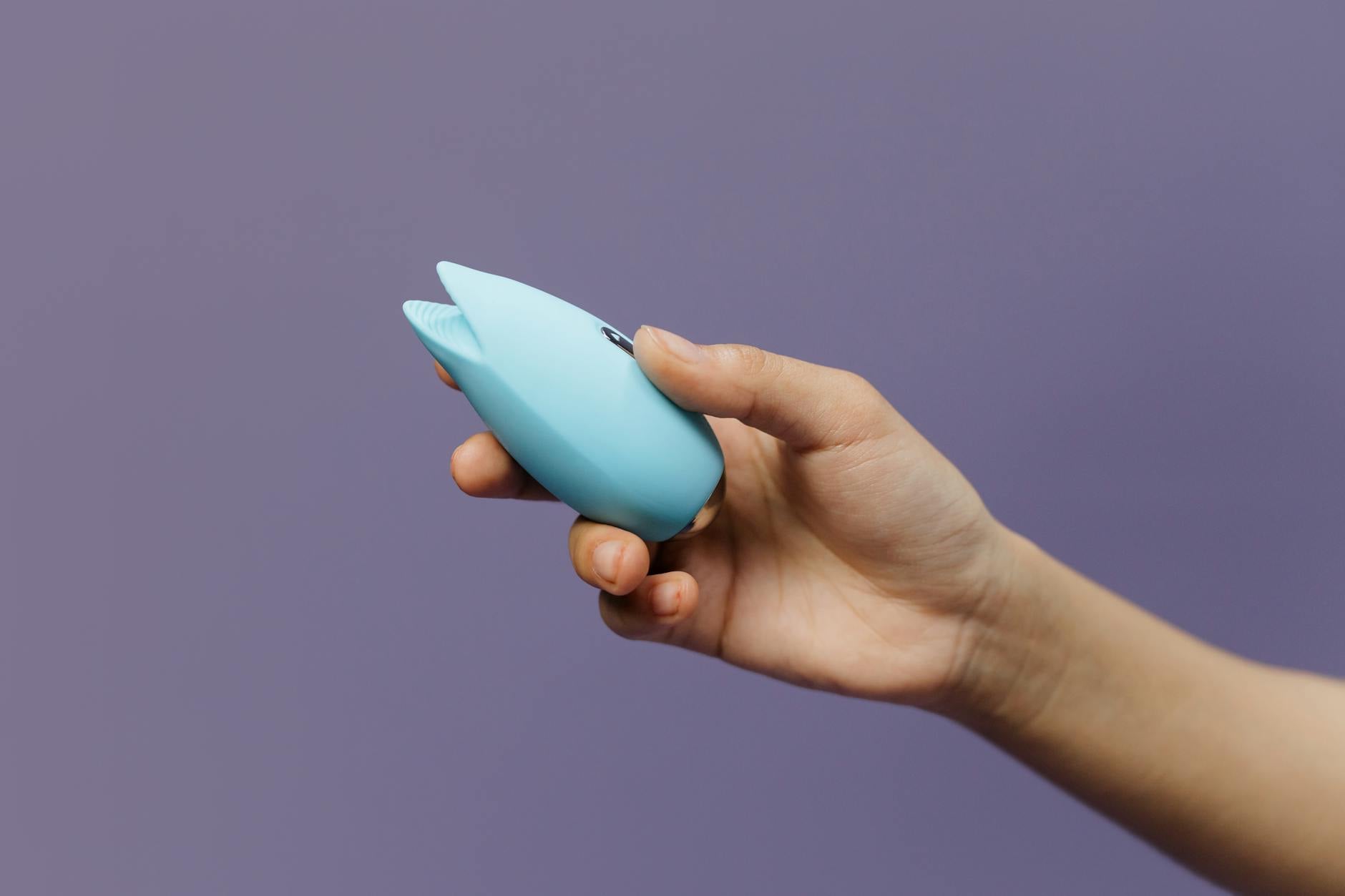
Introducing a lemon vibrator or any clitoral vibrator isn't about implying your partner isn't enough. It's about expanding what's possible together. That distinction matters, and it's the foundation for everything that follows.
Why the resistance exists (and it's not what you think)
When people have never used toys, the resistance usually falls into three buckets. First is shame. They may have internalized messages that toys are "cheating" or that needing one means something is wrong. Second is insecurity. They might worry you're bored or that you're comparing them to a toy. Third is simple unfamiliarity. They don't know what to expect, and the unknown is always scarier than the reality.
Here's what research actually shows: couples who introduce toys together report stronger intimacy, better communication, and more frequent sex. Not less. Not awkwardly. Better. That's the counter-narrative worth knowing.
Before you have the conversation
Timing matters more than the words. Don't spring this during sex or right before it. That's defensive territory. Instead, pick a calm moment when you're both relaxed. Not in bed. Not right after an argument. A walk, a car ride, or even just sitting on the couch with tea is perfect.
Also, get clear on your own "why" first. What are you actually asking for? Is it "I want to explore this together"? "I think it would feel amazing for you"? "I'd like to try something new in our sex life"? Be honest with yourself before you're honest with them. Your partner will sense if you're unclear or embarrassed about your own desire.
How to actually bring it up
Start with something true and small. Not "I think we need toys to spice things up." That's a threat disguised as a suggestion. Try: "I've been curious about something, and I wanted to talk with you about it" or "I read something recently that made me think about our sex life in a new way."
Then be specific and low-pressure. "I've been interested in trying a lemon clitoral vibrator. I think it could feel really good, and I'd love to explore it together if you're open to it." Notice the operative words: interested, together, if you're open. Not demanding, not mandatory, not desperate.
Expect their first reaction might not be their real reaction. They may need time to sit with it. Some people go quiet. Some people deflect with humor. Some people say no immediately then change their mind three days later. All of that is normal. Give them space.
Addressing the common worries they might voice
"Won't it make me feel inadequate?" This is the big one. Answer it directly. "A lemon vibrator isn't about replacing you. It's about making sex feel better for both of us. The way your hands feel on my body and the way a vibrator feels are completely different. I want both." That's honest and reassuring.
"Is this because you're not satisfied?" No. Or maybe yes in a specific way, but the distinction matters. "I'm satisfied. I'm also curious. These can both be true." If there IS an underlying dissatisfaction, that's a different conversation and needs its own space. Don't hide it under the toy conversation.
"What if I don't like watching?" Totally fair. "Then we don't use it that way. We can explore it on our own first, or you can just focus on how it feels rather than watching. Whatever makes you comfortable."
The first time you actually use it together
Don't make it a production. Don't light candles and play music and act like it's a ceremony. It's not. It's just a slightly different version of sex you both already know how to do.
If they're nervous, start with the lemon vibrator outside of sex entirely. Have them hold it, feel the weight, play with the settings while you're just talking or watching a show. Zero pressure. The device stops being scary when it's just an object in the room.
When you do use it during sex, keep talking. "Does this feel okay?" "What setting feels best?" "Should I keep going or try something else?" Continuous check-in removes the awkwardness and turns it into a practical conversation. Also keeps you both present instead of in your heads about whether this is weird.
The patterns that actually work
After introducing the toy, some couples use it every time. Some use it occasionally. Some use it only for solo play. All of those are fine. The goal isn't to incorporate the lemon vibrator into every single encounter. The goal is to have expanded your toolkit and your comfort level with talking about pleasure.
One dynamic I see a lot: partners who initially felt nervous end up being the one who suggests using it. That's common and beautiful. Once the shame lifts and they see how good it feels, they're often all in.
Another dynamic: your partner tries it, doesn't love it, and that's okay too. Not every tool works for every body. A bad experience with one toy doesn't mean toys in general are off the table. Maybe a different style would work better. Maybe not. Both are acceptable outcomes.
What to do if they say no
If your partner says no and stays no, that's information worth sitting with. Not in a punitive way. But if they're unwilling to try something you want, and this matters to you, that's a real incompatibility worth addressing with honesty or, if it feels big enough, with a therapist.
That said, many partners who say no the first time will eventually come around if you don't weaponize the no. Drop it, genuinely. Use toys on your own. Live your life. Often, the curiosity emerges naturally later when the pressure is off.
The long-term shift
What happens after you successfully introduce a lemon vibrator is usually bigger than the toy itself. You've just demonstrated that you can talk about desire, negotiate pleasure, and try something new together. That's a muscle. Using it once makes it easier to use it again. And the next time you want to explore something else, the conversation feels less scary because you already know you can do this.
That's the real win. The toy is just the vehicle.
FAQ
Can I surprise my partner with a vibrator or should I ask first?
Ask first. Surprising someone with a sex toy can feel invasive, even if your intentions are good. You're making an assumption about their comfort level and their body's response. A conversation, even a quick one, shows respect. Plus, if they're interested, knowing it's coming lets them mentally prepare and actually enjoy it rather than feel ambushed.
How do I bring this up if we've never talked about sex at all?
Start smaller. A lemon vibrator conversation assumes you already talk about pleasure in some form. If you don't, begin there. "I'd like us to talk more openly about what feels good" is the foundation. Once that conversation exists, introducing a toy is just the next step. If you jump straight to "here's a vibrator," you're skipping crucial groundwork.
What if my partner thinks toys mean I'm not attracted to them anymore?
This is insecurity, and it's valid but not true. Address it directly and repeatedly if needed. "I'm attracted to you. Wanting a vibrator doesn't change that. I also want a vibrator. Both things are true." If this insecurity is deep, it might point to a larger issue in the relationship that's worth exploring with a therapist, separate from the toy conversation.
Is it okay to use a lemon clitoral vibrator during partner sex even if they're skeptical?
Yes, but with permission. "Can we try this together?" is different from "I'm using this whether you're comfortable or not." If they've said yes to trying it, using it is fine. If they've said no, using it anyway is a boundary violation. Respect the no.
How do I know if my partner is actually into it or just going along with it?
Ask. "Are you enjoying this?" "Does this feel good?" "Do you want to keep going?" And watch their body. Genuine pleasure looks a certain way. Compliance looks different. If you're sensing compliance, pause and check in. It's okay if they're not into it. That information is useful.
What if we use the vibrator and it doesn't improve our sex life?
Then a vibrator wasn't the problem. A toy can enhance existing pleasure, but it can't fix disconnection, resentment, or a lack of desire. If your sex life feels flat, that's usually a communication issue, a desire mismatch, or something deeper. The vibrator might be a fun addition to an already-good dynamic, but it's not a fix. If things are struggling, see a sex therapist or couples counselor first.
The bottom line
Introducing a lemon vibrator to a partner who's never used toys requires honesty, timing, and permission. It requires you to be clear about your own desire and to respect their answer, whether that's yes, no, or "maybe later." Once you've had this conversation and navigated it well, you've built a foundation for deeper intimacy and more open communication. The toy is just the beginning.