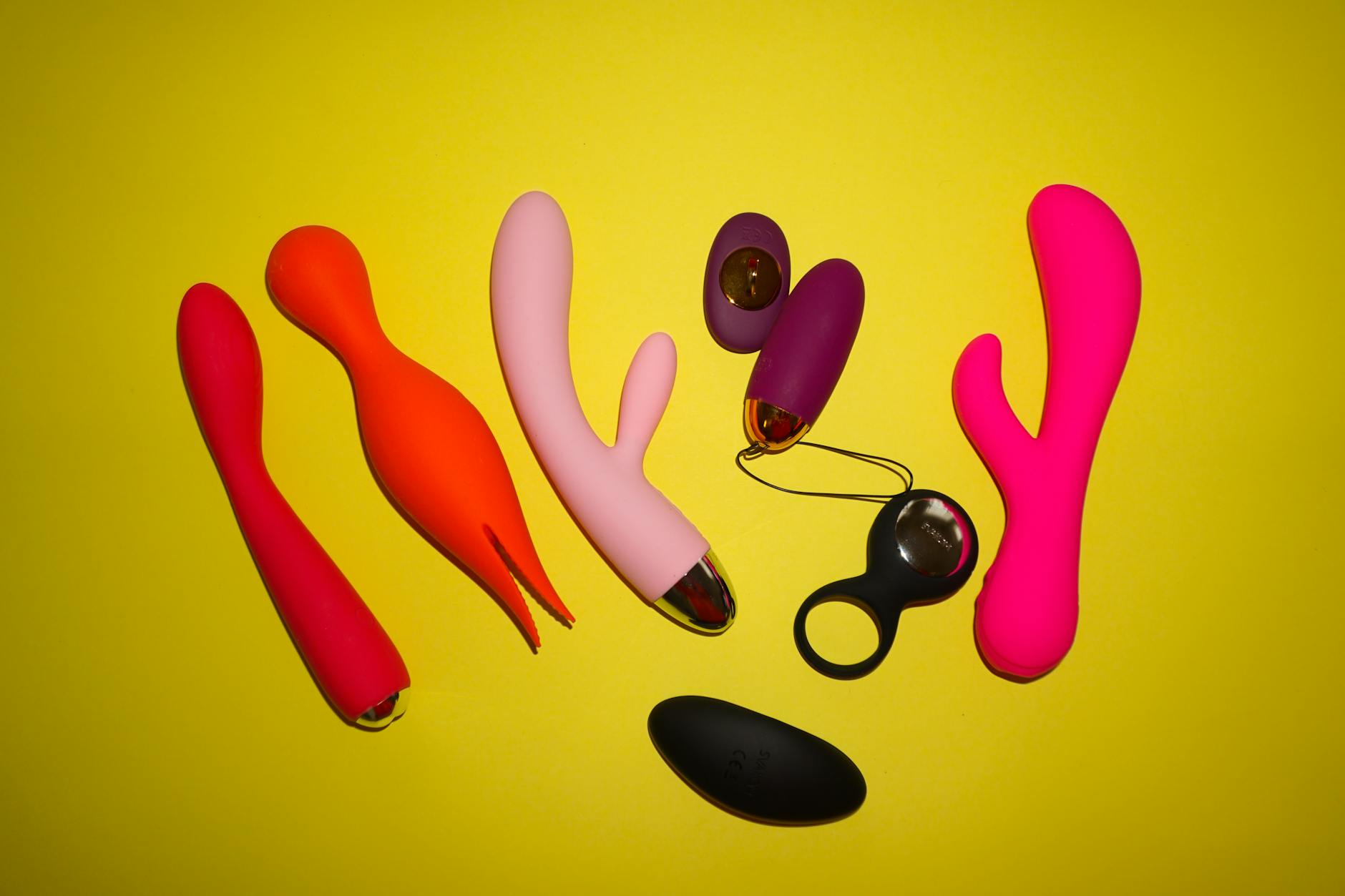
Here's what nobody tells you about clitoral sensitivity
Too much sensation can actually shut down pleasure just as much as too little. When your clitoris feels raw, overstimulated, or even painful to the touch, it's not broken. It's protecting itself. And that protection response is smart, even when it's inconvenient.
Clitoral hypersensitivity isn't rare. It shows up after intense orgasms, during hormonal shifts, from nerve irritation, or sometimes from simply doing the same thing the same way for too long. Your body gets tired. It asks for something different.
Why direct vibration sometimes backfires
When tissue is already irritated or sensitive, a traditional vibrator that makes direct contact can feel like someone's running sandpaper across your skin. The vibration travels straight into already-sensitized nerve endings, which amplifies the discomfort instead of creating pleasure.
This is where air-suction design changes everything. Lemon vibrators and other clitoral suckers use gentle suction and pulsing air, not vibration. That means stimulation happens around the tissue rather than grinding directly on it. It's less intensity, more diffusion. The sensation travels through the whole clitoral area instead of concentrating pressure on one overstimulated spot.
If you've never tried a lemon sucker design before, this might feel counterintuitive. You've probably always used vibration. But when your clitoris is saying no to vibration, air-suction becomes less of a novelty and more of a lifeline.
The reset phase: why pulling back matters first
Before you even introduce a lemon vibrator, your clitoris needs a break. This sounds unglamorous, but it's the most important part.
If hypersensitivity has been building, your nerves are already in overdrive. Adding any stimulation, even gentle stimulation, can feel like asking an exhausted person to run a marathon. You need a reset window first.
I usually recommend one to two weeks of touching that area only when you're already deeply aroused. That means foreplay, time, internal stimulation if that feels good, partner touch if you have one. Build arousal through other channels. Let your clitoris warm up gradually without expectation. No toys. No direct pressure. Just presence.
During this phase, something shifts neurologically. The threat response eases. Your nervous system learns that touch doesn't have to mean intensity. By the time you reintroduce anything, your body is usually ready to hear a different message.
When you're ready: starting with the lowest settings
Your first session with a lemon vibrator should feel almost disappointingly gentle. That's the goal.
On the Lem or any Hello Nancy air-suction vibrator, start on setting one. The absolute minimum. For most people, this feels like a soft hum rather than any aggressive sensation. You're not trying to orgasm. You're trying to prove to your nervous system that stimulation can feel okay.
Apply it for 30 seconds. Then pause. Check in. Notice what you're feeling. Thirty more seconds. Pause again.
This micro-dosing approach does something important. It teaches your clitoris that sensation isn't dangerous, it doesn't have to build to climax, and you're in charge of when it stops. For people with nerve hypersensitivity, that sense of control is everything.
Pacing: the rhythm your nervous system needs
Hypersensitivity often comes with hypervigilance. Your nervous system is watching, waiting for pain. So rhythm and predictability matter.
Instead of using a lemon vibrator continuously for ten minutes, try this instead: 60 seconds on, 60 seconds off. Repeat three times. That's nine minutes of total session time, but your nervous system experiences it as manageable doses with recovery space.
During the off periods, keep your hand there. Keep the contact. Just pause the sensation. This teaches your body that touching doesn't automatically mean stimulation, and stepping back from stimulation doesn't mean ending the moment.
Many people find that over a week or two of this pattern, they gradually tolerate longer on periods and shorter off periods. By week three, many can do 90 seconds on, 30 seconds off. The progress is real, but it's slow. That slowness is the point.
The role of lubricant and softness
If your clitoris is sensitive, the area around it probably is too. Friction from dry skin, pubic hair, or even the texture of your underwear can make everything feel more irritated.
Use a water-based lubricant liberally. I'm not talking about a thin layer. Coat the whole area. This cushions sensation, reduces friction, and honestly just feels better when tissue is already cranky. If you find water-based too thin, silicone-based lube stays slicker longer, but avoid it with silicone toys (like the Lem).
Trim or remove pubic hair if you can tolerate the removal process. Even softer hair creates micro-friction that compounds hypersensitivity. If removal itself irritates you, skip it. The hair is less important than not adding more irritation.
Why your arousal window matters more than usual
When clitoral sensitivity is high, you need to be already aroused before you introduce any stimulation tool. This is non-negotiable.
Arousal naturally increases blood flow to the area, makes tissue more elastic, and shifts your nervous system into parasympathetic mode. That shift is what creates safety for sensation. Without it, even the gentlest lemon vibrator can feel harsh.
Build arousal through whatever works for you. If you have a partner, foreplay without the goal of orgasm. If you're solo, mental arousal, reading, fantasy. Internal stimulation if that feels separate from the sensitivity issue. Spend 15 to 20 minutes in this space before you even think about your clitoral vibrator.
You'll know you're ready when the area feels warm, full, and slightly more forgiving. That's your green light.
When to suspect something needs medical attention
If hypersensitivity is new, extreme, or accompanied by visible inflammation, redness, discharge, or pain during daily activities, see a gynecologist. This could be vulvodynia, dermatitis, an infection, or a nerve condition that needs evaluation.
I'm describing manageable hypersensitivity that responds to pacing and air-suction design. But some sensitivity is a signal that something else is happening. Get that checked before you assume it's just about finding the right technique.
A provider trained in vulvovaginal pain can often identify the cause and recommend treatment specific to what's actually going on. That's important information.
The psychological piece: patience as a practice
Rebuilding pleasure after hypersensitivity is genuinely slow. Most people want results in a week. Real nervous system shifts take two to four weeks minimum.
This is where your mindset matters as much as your technique. Each micro-session isn't a failure if it doesn't lead anywhere. It's a success if you just showed your body that touch could be safe. That's enough.
Some of the most satisfying orgasms I've seen happen with people rebuilding from hypersensitivity. Because when your body finally decides it's safe again, when pleasure comes back online, it lands different. It feels earned. It feels real.
But that only happens if you give yourself the time. Use the lemon vibrator as a tool for patience, not a shortcut around it.
FAQ: Your questions about sensitivity and lemon vibrators
Can I use a lemon vibrator if I have vulvodynia or chronic pelvic pain?
Maybe, and it depends on which type. Generalized vulvodynia sometimes responds well to air-suction design because the diffused pressure feels less triggering than traditional vibration. Localized vulvodynia (pain in one specific spot) can be trickier. If you have a diagnosis, ask your pain specialist whether introducing any toy is wise and at what point in your healing. A pelvic floor physical therapist can also help you figure out whether your nervous system is ready.
How long until my clitoris stops feeling hypersensitive?
Two to four weeks with consistent gentle pacing. Some people reset faster. Others need longer. It depends on what caused the hypersensitivity in the first place. Hormonal causes shift faster than nerve irritation. If nothing changes after a month of careful pacing, that's your signal to get evaluated.
Is air-suction always better than vibration for sensitive tissue?
Often yes, but not always. Some people find that very low vibration settings feel soothing rather than irritating. Try both. But if vibration makes it worse, don't push it. Air-suction lemon vibrators exist partly for this reason.
Can my partner help me with this, or should I do it solo?
Both work. Some people find that solo exploration feels safer because they can pause whenever they want without explaining. Others find partner involvement supportive. The key is that whoever is involved understands the pacing protocol and doesn't rush it. Make sure they know this is about rebuilding trust with sensation, not about reaching orgasm. That mindset shift changes everything.
What if using the vibrator makes sensitivity worse?
Stop immediately. You've learned something valuable: your nervous system isn't ready yet. Give it another week of rest and try again. Or don't. This isn't mandatory. You can rebuild pleasure through other routes while you heal. The lemon vibrator is a tool, not the only path.
Do I need to buy a specific vibrator, or will any clitoral vibrator work?
Air-suction design is the key feature for sensitivity. The Lem or other lemon suckers are specifically built for this. A standard vibrator designed for direct contact will feel different and might feel more intense. If you're starting from hypersensitivity, starting with air-suction is kinder to your nervous system.
The bottom line
Clitoral sensitivity is your body speaking. It's not punishment. It's not permanent. And it's not something you have to push through. When you listen to what your body is asking for and work with that instead of against it, pleasure often comes back. Slower maybe. More intentional definitely. But often richer, too.