When touch stops feeling like much of anything
Let's be real. You're touching yourself the way you always have, and nothing's happening. Not pain. Not numbness exactly. Just a flatness where there used to be something electric. It's alarming because your body used to cooperate, and now it feels like you're trying to send a signal down a phone line that's disconnected.
Here's the uncomfortable truth nobody tells you: reduced clitoral responsiveness is one of the most common sexual complaints I hear in my practice, and almost nobody talks about it. Reduced sensation doesn't mean you're broken. It means something changed, and you need to change your approach to match.
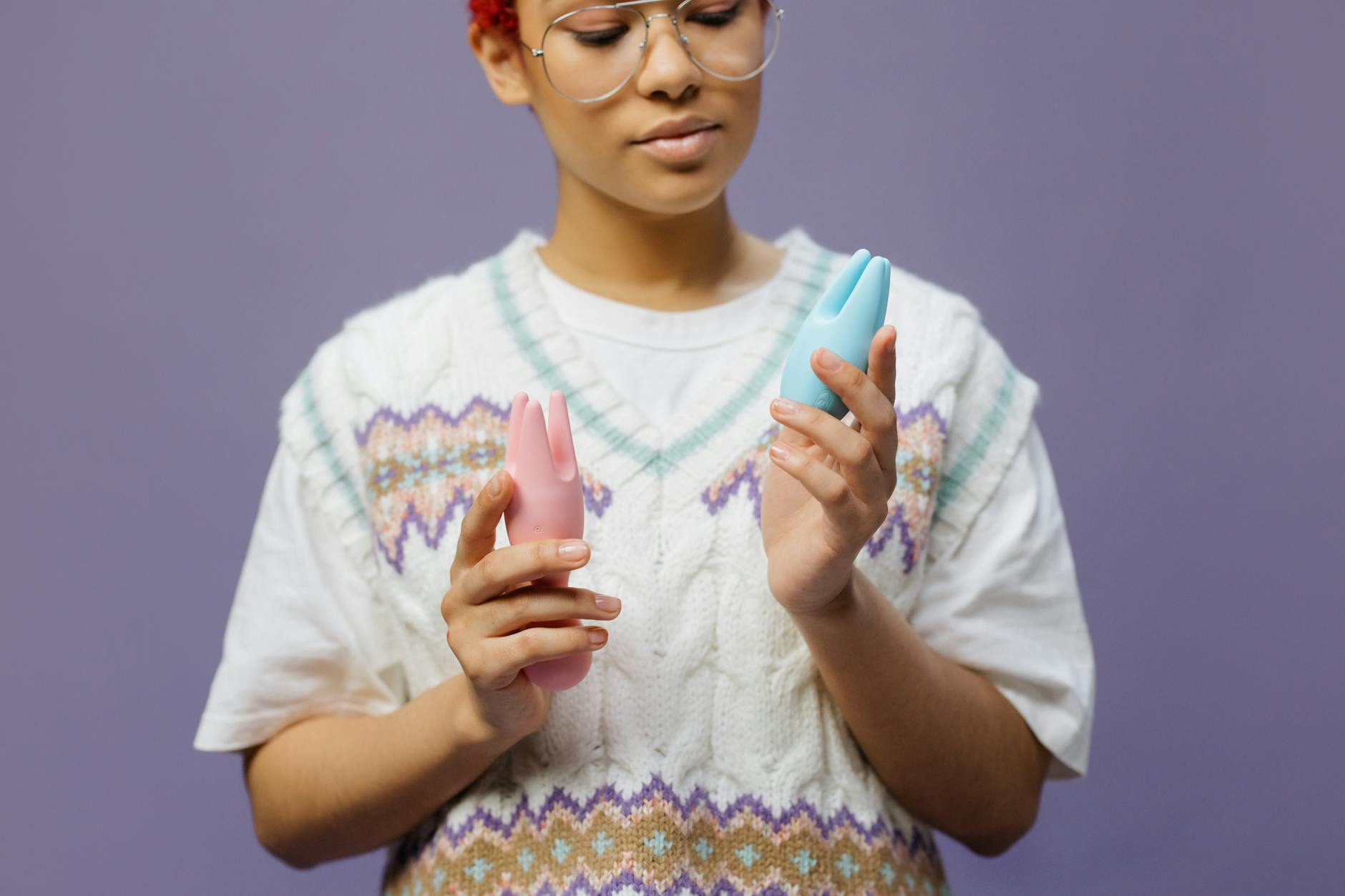
Lemon clitoral vibrators, particularly those using suction technology rather than traditional vibration, often unlock sensation again. Not because your clitoris is damaged, but because the stimulation pattern actually reaches the nerve endings that have stopped responding to conventional touch.
Why sensation drops (the actual reasons)
Several things can dim clitoral responsiveness. The most common ones are not talked about enough.
Desensitization from routine. Your clitoris adapts to stimulation patterns. If you've been using the same pressure, the same rhythm, in the same position for years, your nerve endings stop firing the same way. It's not fatigue. It's adaptation. Your brain literally stops registering the signal as novel or important. This happens in every sensory system. Touch the same spot on your arm for thirty seconds and sensation fades. Same principle, different anatomy.
Hormonal fluctuation. Estrogen, progesterone, and testosterone all affect clitoral engorgement and nerve sensitivity. Changes in birth control, stress hormones, thyroid function, or perimenopause can flatten sensation. This is temporary and fixable, but it's not something you can willpower through.
Blood flow issues. Clitoral sensation depends on arousal blood flow. Anxiety, cardiovascular stress, poor sleep, or chronic stress constrict blood vessels. A clitoris that isn't engorged fully responds less acutely. This is why partners and partners often report sensation returning almost immediately after they address their anxiety or improve sleep.
Medication side effects. Antidepressants, blood pressure drugs, antihistamines, and some birth controls blunt sensation. It's listed in the fine print as "sexual dysfunction," which is a clinical way of saying "your clitoris doesn't light up anymore." If this timeline matches a medication change, mention it to your provider. There are often alternatives.
Pelvic floor tension. A clenched pelvic floor actually interferes with sensation. Tight muscles reduce blood flow and change how stimulation is transmitted through the tissue. Paradoxically, the harder you try to feel something, the more you tense, and the less sensation comes through.
How lemon vibrators (especially suction ones) reach sensation
Traditional vibration works by rapid back-and-forth movement. It's effective for people with baseline sensitivity, but when sensation is already muted, that motion doesn't always penetrate deeply enough to activate the nerve clusters.
Lemon suckers and lemon clitoral vibrators using air-suction technology work differently. Instead of vibration, they create gentle pulses of pressure and release. This pulls tissue into a small chamber and releases it rhythmically. The stimulation reaches deeper tissue and activates more nerve endings with less direct friction.
For someone with reduced responsiveness, this matters because.
First, suction creates a broader stimulus field. It's not a tiny point vibrating. It's a gentle pulling sensation that involves more of the clitoral complex, including the internal branches that traditional vibration often misses.
Second, the pressure pattern feels completely different from what your nerve endings have adapted to. Your brain registers it as novel, and neural response improves. You're essentially resetting the adaptation cycle.
Third, suction doesn't require direct friction. If your clitoris is tender or if pressure feels uncomfortable, suction can deliver intense sensation without the pain. You're getting stimulation without aggravation.
For these reasons, the Lem and similar lemon clitoral vibrators often work when standard vibrators have stopped working.
The warm-up ritual that actually matters
If your clitoris feels less responsive, skipping foreplay isn't your problem. Your problem is that foreplay is too short.
When sensation is already dampened, you need 20 to 30 minutes of gradual arousal before you even touch your clitoris. This isn't wasted time. This is blood flow time.
Start with something indirect. Touch your breasts, your neck, your inner thighs. Breathe deeply. Let arousal build slowly without goal. The goal of this phase is not to feel something yet. The goal is to get blood flowing to your genitals so that when you do use a lemon clitoral vibrator, the tissue is already engorged and responsive.
After 15 to 20 minutes of buildup, touch your vulva and labia without touching your clitoris directly. Use your fingers or a non-vibrating toy. Keep the pressure light. You're still warming up. Your clitoris should start to swell as arousal peaks.
Only then introduce the lemon sucker or lemon vibrator. At this point, tissue is engorged, blood flow is distributed to your genitals, and nerve endings are primed. Sensation that felt flat thirty minutes earlier now has actual voltage.
Patterns that unlock sensation again
Once you've got a lemon clitoral vibrator in hand, pattern matters more than intensity.
Start at the lowest setting. Not because you need gentle touch (though you might), but because lower frequencies often create more interesting sensation patterns. Many people with reduced responsiveness find that very high frequencies feel like white noise. Midrange frequencies feel like something.
Experiment with rhythm. Use the device for 30 seconds at one pattern, pause for 10 seconds, then switch to a different pattern. This prevents immediate re-adaptation. Your nerve endings light up when the stimulus changes. They shut down when it stays exactly the same.
Move around. Don't lock into one position. With a suction toy like the Lem, try placing it directly over your clitoris, then slightly to one side, then lower toward your perineum. Different positions stimulate different nerve clusters. The one that feels best today might not be the one that works tomorrow. Variety itself is the point.
Try longer, slower cycles rather than fast repetition. Some people with muted sensation respond better to 5 second pulses with 3 second pauses than to rapid-fire patterns. Slow gives your nervous system time to register the stimulus instead of processing it as background noise.
When to bring a partner in (or not)
If you're partnered and working through reduced clitoral responsiveness together, there are two conversations happening at once, and they need to stay separate.
One conversation is physical: "My clitoris is less responsive right now. Here's what helps." That's a logistics talk. You need to show them where, how long, what pattern. Make it practical, not romantic.
The other conversation is emotional: "I want to feel desired and close again." That's a connection talk. Don't smoosh them together. Couples who try to solve reduced sensation while also working on emotional intimacy usually fail at both.
Start with solo exploration. Get really clear on what pattern on your lemon clitoral vibrator actually works for you. Once you've found what brings sensation back, then invite a partner in. They can hold the toy. They can be present. But you're the expert on your own body right now, and that matters.
When sensation is tied to something else entirely
Sometimes reduced clitoral responsiveness isn't physical. It's relational, situational, or emotional.
If you feel less responsive only with a partner, that's anxiety or intimacy friction, not a clitoral problem. If sensation is lowest during stressful life periods and returns when things settle, that's stress dysregulation, not hardware failure. If you're responsive solo but not in partnership, the issue is trust or power dynamics, not your body.
In these cases, a lemon vibrator can help by removing the performance pressure. Solo exploration with a toy teaches you what your body can do without an audience. That knowledge often transfers back into partnered situations once you separate the physical discovery from the relational anxiety.
Read more on rebuilding intimacy after relationship distance if emotional disconnection is also at play.
The timeline for getting sensation back
Honestly? Most people feel a shift within 3 to 5 sessions with a new stimulus pattern. Not full sensation necessarily, but enough difference that they know they're on the right track.
Full recovery of baseline responsiveness usually takes 2 to 4 weeks of regular exploration with new patterns and tools. That's because you're literally retraining your nervous system to respond. That takes repetition.
If you've tried a lemon clitoral vibrator consistently for 6 weeks and sensation hasn't budged, something else is usually going on. That's the moment to check in with your doctor about hormones, medication effects, or circulatory issues.
FAQ: What people actually ask
Will using a lemon vibrator make me need it forever?
No. Tools help reset adaptation. Once sensation comes back, you often don't need the same tool at the same intensity. But it's useful to rotate toys and patterns regularly anyway so adaptation doesn't happen again.
Can reduced clitoral sensation be a sign of something serious?
Usually no, but it can be. If sensation dropped suddenly, if there's pain involved, or if it's accompanied by other symptoms, mention it to your doctor. Nerve damage, hormonal imbalances, and vascular issues are all fixable, but they need to be diagnosed. Gradual sensation changes tied to stress, medication, or routine are almost always reversible.
What if my partner finds out I'm using a lemon vibrator alone?
That's your call. Some couples integrate it into partnered play from the start. Some people explore solo first and then share. The secrecy usually feels worse than the disclosure. If you need privacy while you're experimenting, take it. But the lie often costs more than the conversation.
Does my clitoris get tired from vibration?
Your clitoris doesn't have muscle tissue, so it doesn't fatigue like your legs do. But your nervous system can get overstimulated. If sensation starts to feel painful or numb during a session, stop. Rest. Come back tomorrow. That's your system saying it needs a break, not that the toy is dangerous.
Is a lemon sucker better than a regular vibrator for reduced sensation?
For most people with muted clitoral responsiveness, yes. Suction creates a different nerve activation pattern than vibration alone. But everyone's different. Try both if you can. One will feel more effective than the other for your body.
What if nothing works?
Then something else is usually driving the reduced sensation. Hormonal imbalance, medication side effects, vascular issues, or deep anxiety often require professional support. A healthcare provider who specializes in sexual health can run tests and offer solutions beyond toys.
The actual point
Reduced clitoral responsiveness feels broken because you're comparing it to how you used to feel. But your clitoris isn't broken. It's adapted, stressed, or temporarily depleted. All of those are fixable.
Lemon clitoral vibrators, particularly suction-based ones, often unlock sensation again because they reset the adaptation cycle and reach tissue in new ways. But the real work is the patience. Warm-up time. Pattern variation. Letting sensation rebuild at its own pace.
Your pleasure matters. It's worth spending time on. And it's almost always accessible again once you stop trying to force the old pattern and start playing with something new.
Have questions about what tool or technique might fit your situation? Get in touch.