The thing nobody tells you about hormonal IUDs and pleasure
A hormonal IUD is excellent birth control. It's also a sneaky pleasure saboteur that nobody warns you about until suddenly nothing feels the way it used to. The synthetic progestin releases directly into your bloodstream, and that changes arousal, sensation, and orgasm in ways that feel baffling if you're not expecting them.
Here's what I see in my practice: someone gets an IUD fitted, months pass, and then they notice sex feels distant. Arousal takes longer. The clitoral stimulation that always worked doesn't hit the same. They assume something's wrong with them, or the relationship, or that they're broken. None of that's true. The IUD rewired their pleasure system.
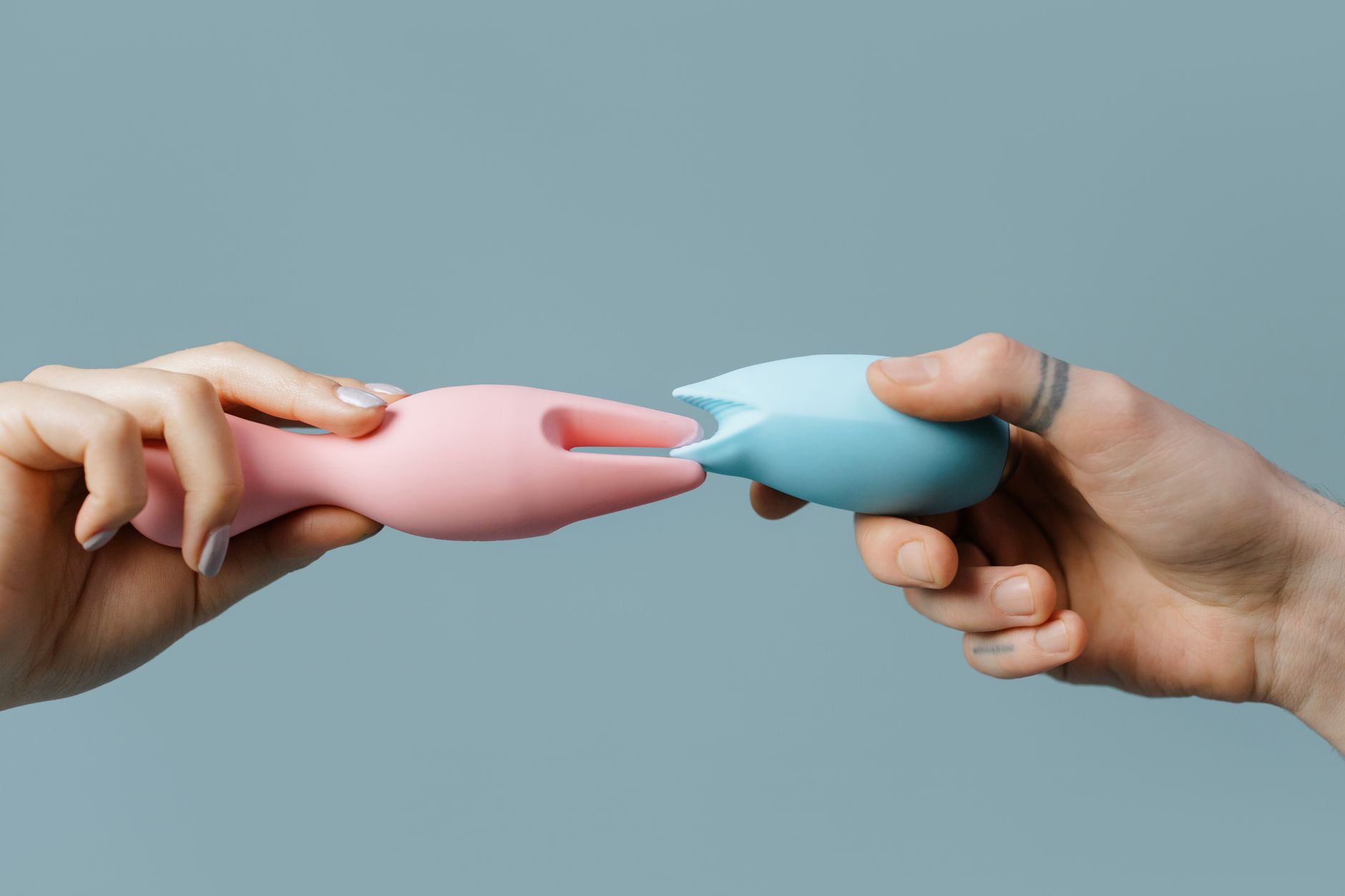
The good news? Lemon clitoral vibrators—with their unique suction technology—are one of the best tools for recalibrating pleasure under a hormonal IUD. You just need to know how to adjust for the shift.
What a hormonal IUD actually does to sensation
The progestin in a hormonal IUD suppresses ovulation and thins the uterine lining. But it also affects dopamine and serotonin, which means arousal takes longer to build. It can dampen the physical sensation you feel during stimulation—not because the nerve endings are broken, but because your brain's response to them is quieter.
Many people also report that their clitoral sensitivity drops. Things that used to feel intense now feel muted. Orgasms, if they arrive at all, can feel distant or less explosive than before. This isn't permanent, and it doesn't mean you're less capable of pleasure. It means your nervous system needs different input to reach the same place.
One more thing: since the IUD's hormone is localized, some people feel the shift more acutely than others. If you have a baseline tendency toward lower dopamine (family history of depression, ADHD, or just how you're wired), the IUD might hit harder.
Why lemon vibrators work so well with a hormonal IUD
Traditional vibration relies on rapid oscillation to trigger nerve response. If your sensitivity is dampened by hormonal changes, you need to work harder or longer to get there. That gets exhausting, and arousal stalls.
Lemon suction vibrators work differently. Instead of pure vibration, they combine gentle suction with pulsing. That means they're stimulating not just surface nerves but the whole architecture of the clitoris. For people with hormonal shifts, that multi-layered approach often feels more effective. You're not forcing sensation—you're meeting your body where it actually is.
I also recommend them because they tend to feel less intense on initial contact. You can start subtle and build, which matters when your sensitivity is erratic. A lemon clitoral vibrator lets you dial in exactly how much stimulation you want before you've even fully aroused—and that patience almost always pays off with people on hormonal contraception.
How to adjust your routine when starting an IUD
Extend your warm-up window. If foreplay used to be 10 minutes, budget 20 now. Hormonal IUDs slow arousal, so rushing doesn't work. This is boring news, but it matters. Start with kissing, touching, whatever typically builds arousal for you—then bring in the lemon vibrator when you're already halfway engaged, not at the beginning.
Start on a lower setting. Lemon vibrators have multiple patterns and intensities. With an IUD, I usually recommend starting on pattern 1 or 2, even if you'd normally jump to pattern 4. Let your body acclimate. You can always turn it up; you can't undo overstimulation.
Focus on positioning for pleasure, not speed. Some people find that with an IUD, the angle of stimulation matters more than it used to. Experiment with angling the vibrator slightly differently—maybe more pressure on one side of the clitoris, or sustained contact rather than rapid movement. That variation often helps when sensation feels blunted.
Lubrication is non-negotiable. Even if you've never needed extra lube before, a hormonal IUD sometimes alters vaginal moisture. Use a good water-based lube (silicone lube is richer but can degrade silicone vibrators). This removes friction that would otherwise interrupt arousal.
When arousal takes longer, timing matters
One of the most frustrating parts of a hormonal IUD is that arousal becomes less spontaneous. You can't always count on desire hitting you in the moment. This actually changes how you might use a lemon vibrator.
Instead of using the vibrator reactively—in the middle of partnered sex when you need a boost—I recommend building in solo exploration time. Spend 15-20 minutes with your lemon clitoral vibrator with no goal other than learning how your body responds right now, under the IUD. This isn't selfish; it's research. You'll figure out which patterns work, how long the warm-up actually needs to be, and whether you prefer clitoral-only stimulation or if internal sensations still register.
Then you can bring that knowledge into partnered sex. Instead of trying to figure it out in the moment, you already know the map.
What to discuss with your partner
If you have a partner, this conversation is separate from "I want to use a vibrator." The real conversation is: "My body has changed because of my contraception, and here's what I'm noticing. I want us to figure this out together."
Specific helps:
- Explain that you're not less attracted to them; your nervous system just processes stimulation differently now.
- Suggest they watch you use your lemon vibrator solo first. Seeing what actually works takes the pressure off partnered sex to be spontaneous.
- Invite them to be curious rather than helpful. "What if we just slowed down and saw what happened?" is better than "Tell me what you need."
- Name that this might take a few weeks or months to adjust to. That's normal.
When to reconsider or change course
Some people adjust to an IUD within 3-4 months, and sensation normalizes. Others find that even with tools like a lemon vibrator and extended warm-up time, pleasure doesn't return to baseline after 6 months. If that's you, talk to your prescriber. It might be time to explore different contraception.
Also: if you're using a lemon vibrator and still feeling no pleasure response after consistent, patient use, fatigue, depression, or low libido might be the real culprit, not just the IUD. Hormonal shifts and contraceptive choices can trigger mood changes. It's worth naming that separately from sensation loss.
The patience part
Here's the thing nobody wants to hear: getting pleasure back after a hormonal IUD usually requires patience, experimentation, and lower expectations for a while. That's hard when you remember how easy it used to feel. But almost everyone I work with reaches a point where they find new pleasure—sometimes better than before because they've learned their body differently.
A lemon clitoral vibrator is genuinely one of the best tools for that process. The suction mechanism works well with dampened sensation, the graduated intensity lets you dial in what actually helps, and the range of patterns gives you options when standard vibration doesn't land.
Give yourself at least two months of consistent, patient exploration before deciding that pleasure is actually gone. It usually isn't. You're just meeting it in a new place.
People also ask
Can I use a lemon vibrator immediately after getting a hormonal IUD placed?
Wait about 5-7 days after insertion. Your cervix is tender, and the IUD needs time to settle into position. Internal vibration right after placement can feel uncomfortable or even trigger cramping. After a week, external clitoral stimulation with a lemon vibrator is generally fine—just be gentle and use lube.
Will a lemon vibrator damage my IUD?
No. The IUD sits in your uterus, behind your cervix. External vibrators, including clitoral lemon vibrators, stimulate the outside. There's no mechanical risk. That said, if you're using internal vibration (anything inserted into the vagina), avoid direct contact with the strings, since they can get tangled. Most people stick with external stimulation anyway, especially with hormonal IUD-related sensitivity changes.
How long before I feel normal pleasure again with an IUD?
Every body is different, but I usually tell people to expect 8-12 weeks before they feel a real shift. Some adjust in 4-6 weeks. A few take 6 months. The key is consistent, patient exploration rather than pressured performance. Using a lemon vibrator regularly during this window actually helps your nervous system recalibrate faster than waiting passively.
Is it normal for orgasms to feel different on a hormonal IUD?
Completely normal. Many people report that orgasms feel more subtle, less explosive, or take longer to build. Some people lose the ability to orgasm entirely while their body adjusts (and it usually returns). Others find that the shape of orgasm changes but the satisfaction doesn't decrease. A lemon clitoral vibrator often helps restore the intensity because the suction mechanism can trigger deeper neural response than vibration alone.
Should I switch vibrators if one isn't working with my IUD?
Before switching, give one vibrator a solid 4-6 weeks of patient, consistent use. Your nervous system needs time to relearn how to respond to stimulation under hormonal shifts. But if after 6 weeks a lemon vibrator still isn't working, it's worth exploring how lemon vibrators help when sensation shifts after starting hormonal birth control or talking to your prescriber about whether the IUD itself is the right fit.
Can my partner use a lemon vibrator on me if I have an IUD?
Absolutely, with the same rules: wait a week after insertion, use lube, and start gently. The advantage is that your partner can adjust pressure and pattern in real-time based on your response. Sometimes that responsive quality helps with arousal when you're struggling to get there solo. Just make sure you're communicating about speed, pressure, and patterns so it feels collaborative, not passive.
Moving forward
A hormonal IUD changes pleasure. Using tools like a lemon suction vibrator—with patience, lube, and realistic expectations—usually gets you back there. The adjustment is temporary, even when it doesn't feel like it. Your body hasn't forgotten how to experience pleasure. It's just speaking a slightly different language for a while.
If you're struggling to navigate this shift alone, reach out. Sometimes talking through the adjustment with someone who understands both the hormonal piece and the relational piece makes all the difference.