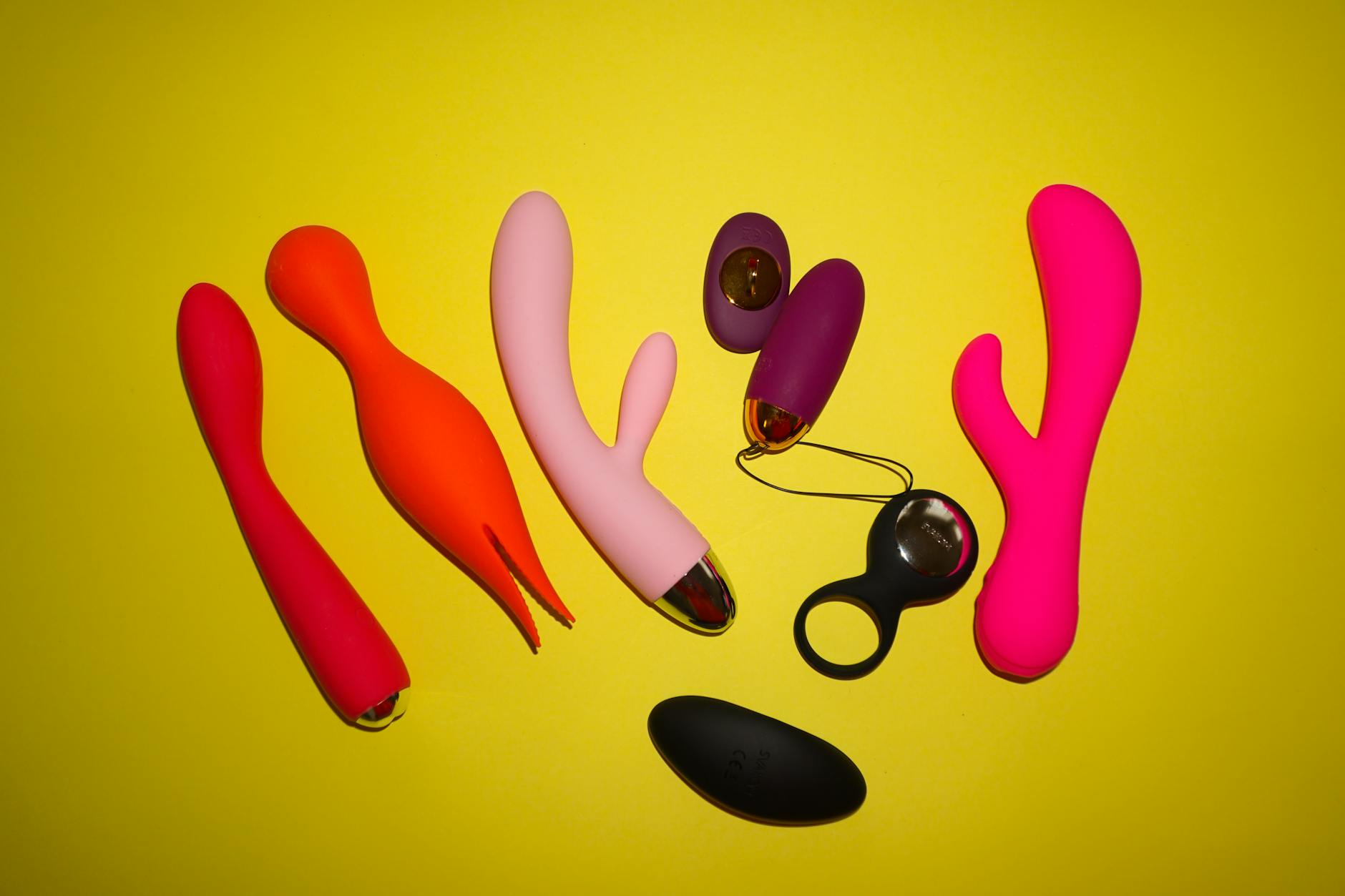
Let's start with the obvious part everyone avoids
Most medications that improve your mental health also flatten your sexual response. SSRIs, SNRIs, antihistamines, beta blockers, antipsychotics. They work by changing how your brain processes signals, which includes pleasure signals. That's not a side effect. That's how they work. The good news: you can work around it.
I've had clients tell me they thought they'd lost desire permanently. They hadn't. The neurochemistry was just noisier, harder to access. A lemon clitoral vibrator doesn't fix the medication. But it does bypass the static.
How medication actually changes sensation
When you take an SSRI (the most common class of antidepressants), it increases serotonin in your brain, which is great for mood. But serotonin also inhibits dopamine in your sexual response pathways. That creates a muting effect. Antihistamines dry out mucous membranes everywhere, including genital tissue, which makes arousal harder to trigger. Some blood pressure medications reduce blood flow to the genitals. Others just slow everything down.
The result isn't that pleasure is gone. It's that the signal is quieter and takes longer to build. Imagine someone turned down the volume on your body's pleasure dial. You're still capable of reaching that peak. You just need more input to get there.
Here's what doesn't change: your capacity for orgasm, the neural pathways themselves, or your right to have sexual pleasure. Those stay intact.
Why lemon vibrators work better when medication dulls sensation
Traditional vibrators create surface stimulation. Lemon clitoral vibrators use suction technology, which pulls on the clitoral tissue rather than vibrating against it. That's a completely different sensation pathway.
When medication mutes your response, you need something with more intensity and a different mechanism. Suction stimulates the nerves in a way that's harder to ignore than standard vibration. You feel it deeper. It travels through the tissue. For people on antidepressants or antihistamines, that directness cuts through the noise.
Second, air-suction technology doesn't rely on friction the same way. If medication-related dryness is an issue, suction still works without needing significant lubrication. That removes one more barrier between you and sensation.
The protocol that works for medication-dulled pleasure
Start with expectations reset. When you're on medication that affects arousal, you're not broken. Your timeline is just longer. Budget 20-30 minutes, not 10.
First 5-10 minutes: grounding. Don't jump straight to the lemon vibrator. Lie down, put your hand on your body, feel your own warmth. Let your brain catch up to what you're doing. Medication can create dissociation. Touch yourself first, slowly, without any tool. This reconnects the nerve pathways before you add external stimulation.
Next 5 minutes: exploration without power. Hold the lemon vibrator, let it warm up in your hand. Get familiar with the shape, the weight, the material. Some people on SSRIs have a numb-feeling in their fingertips. Using the toy as a probe, a texture to explore, helps your body remember what sensation is supposed to feel like.
Then: start low. Turn on the lowest setting. Most Hella Nancy Lems lemon vibrators have 3-4 intensity levels. Start at 1. Let that suction pull gently. You're not trying to orgasm in the first minute. You're waking up the tissue. Notice what you feel. Boredom is fine. So is "nothing yet." Stay there for 2-3 minutes.
Then: small adjustments. Move to level 2. Change angle slightly. Move the vibrator in small circles rather than holding it static. Different positions will create different sensations. Some people find suction works better with more pressure, others with lighter contact. Experiment.
Final phase: let it build. Once you find an angle and intensity that creates any sensation, stay there. Don't chase the orgasm. Let it build at its own pace. Medication changes the arc of arousal. It's often slower, sometimes more subtle. Some people on SSRIs report that their orgasms feel less intense but longer. Others find they need to get very close to the edge and then back off multiple times before release happens. All of that is normal.
The whole session might take 30-40 minutes. That sounds long. It's actually shorter than the frustration of pushing for an orgasm that won't come.
When the medication itself is the problem
If you've been on the medication for 3+ months and sensation hasn't returned at all, talk to your prescriber. There are options. Some doctors will adjust timing (taking the medication at night instead of morning, which sometimes helps). Some will switch to a different class of antidepressant. Bupropion, for example, doesn't have the same sexual side effects as SSRIs.
Other medications can be added to counteract the numbness. Buspirone, sildenafil (Viagra), and other agents are sometimes prescribed off-label for exactly this. It's not cheating to ask for medication adjustments. Your sexual health is part of your overall health.
For antihistamines, switching to a non-drowsy formula (like cetirizine instead of diphenhydramine) sometimes helps. For blood pressure medications, there are alternatives with fewer sexual side effects.
The key: you don't have to choose between mental health and sexual pleasure. There are usually workarounds.
The emotional piece nobody mentions
Lying there waiting for sensation that doesn't come, or comes really slowly, creates its own anxiety. You start checking in: Am I feeling it yet? Am I broken? This performance anxiety actually makes it harder.
One of the most effective things I've seen clients do is separate the sexual experience from the outcome. Use the lemon vibrator as a way to spend time with your body again, not as a tool to produce an orgasm. Sensation can return without orgasm being the goal. Sometimes the goal is just: I touched myself and felt something. That's the win.
If you have a partner, let them know what's happening ("My medication is slowing my response, but I'm exploring ways to reconnect") without making it their responsibility to fix it. They can support the process, but they're not the solution. You are.
Building consistency (not pressure)
When sensation is muted, one session isn't enough. You're retraining your body to respond. That means returning to the experience consistently, but without the pressure of "it has to work this time."
Maybe that's 2-3 times a week for a month. Maybe it's daily. The goal isn't frequency. It's regularity. Your nervous system responds better to predictable input than sporadic, high-stakes attempts.
Some people find that keeping a simple note helps. Not a performance log ("I came at minute 27"), but just "explored with the lemon, felt sensation at level 2, enjoyed the process." Tracking the actual sensation, not the outcome, helps you notice progress that you might otherwise miss.
The timeline reality
If your medication is new (within the first 3 months), sensation often returns as your body adjusts, sometimes without any intervention. If you've been on it longer than that, lemon vibrators and consistency are your best tools.
Some people regain full sexual response. Others find a new baseline that's different but workable. Both outcomes are legitimate. The point is to stop waiting passively and start taking action. A lemon clitoral vibrator isn't a magic fix, but it's a direct line to sensation that medication has made quieter. You deserve to feel something again.
People also ask
Can I use a lemon clitoral vibrator while I'm on antidepressants?
Absolutely. Lemon vibrators aren't a medical treatment. They're a tool for accessing sensation when medication has muted it. In fact, they often work better than traditional vibrators for people on SSRIs because suction bypasses some of the numbness that vibration can't penetrate. Start at low intensity and build from there.
How long does it take for sensation to come back after starting a lemon vibrator?
It varies. Some people notice a shift within a few sessions. Others take weeks or months of consistent use before the signal really returns. Your nervous system isn't damaged. It's just operating on a different frequency because of the medication. Consistency matters more than intensity or duration. Even 10-15 minutes, 2-3 times a week, can make a difference over time.
What if I'm on multiple medications that affect sensation?
This is actually pretty common. People on SSRIs plus antihistamines, or antidepressants plus blood pressure meds, often experience compounded numbness. The strategy stays the same: longer warm-up time, low starting intensity with a lemon vibrator, and patience with the process. If it's still not working after consistent effort, definitely talk to your doctor about potential medication adjustments or additions.
Do I need to use lubrication with a lemon clitoral vibrator if medication has dried things out?
Not necessarily. One advantage of suction technology is that it doesn't rely on friction the way traditional vibrators do. That said, a little water-based lubricant never hurts. It can make the seal tighter and the sensation more intense. Just don't use silicone-based lube with silicone toys. Stick to water-based.
Is it normal for orgasms to feel different after starting a lemon vibrator on antidepressants?
Completely normal. When you're on medication that affects sexual response, the shape of arousal and orgasm changes. Some people find the orgasm comes in waves rather than one peak. Others find it takes longer to build but feels deeper. Some people on SSRIs report that using a lemon vibrator creates a very localized sensation in the clitoris rather than a full-body response. None of these patterns are wrong. They're just different.
Should I tell my doctor I'm using a lemon vibrator?
You don't have to, but mentioning that you're working on reconnecting with sensation is worth doing if you're also discussing medication side effects. Your doctor should know you're taking active steps to address the impact on your sexual health. They might have additional suggestions or want to revisit your medication plan based on knowing you're engaged in managing the issue.
The bottom line
Medication that helps your mental health doesn't have to end your sexual pleasure. It just means you need a different approach. A lemon clitoral vibrator, combined with patience and consistency, offers a direct way to reconnect. Your capacity for sensation is still there. Sometimes it just needs a more intentional path back.