Let's start with the thing no one tells you
Your medication isn't broken. Your body isn't broken. But sensation? It's quieter right now. That's real, it's common, and it's fixable.
If you've recently started an SSRI, an antihistamine, a blood pressure medication, or even a thyroid adjustment, you might notice that what used to feel electric now feels... muted. Orgasms take longer. Arousal feels distant. Touch that used to make you gasp barely registers. The frustrating part is that nobody warns you about this when they hand you the prescription.
Which medications actually flatten sensation
Three medication categories are the biggest culprits:
Antidepressants (SSRIs especially). Sertraline, paroxetine, fluoxetine. They're brilliant at evening out mood, but they also suppress dopamine and norepinephrine in the genital region. This isn't failure. It's a side effect that affects 40-60% of people taking them.
Antihistamines. These dry out mucous membranes everywhere. Not just your sinuses. The tissues of the vulva and clitoris get drier and less responsive. Sensation flattens because there's less moisture to work with.
Blood pressure and heart medications. Beta blockers and ACE inhibitors reduce blood flow to the genital tissues. Less blood means less engorgement, less swelling, less sensation.
Other culprits include some birth control formulations (especially certain progestin-heavy pills), anticonvulsants, and some antipsychotics. If you started something new and sensation changed within a few weeks, the medication is almost certainly involved.
Why lemon clitoral vibrators work better than standard vibrators here
Here's the key distinction: traditional vibrators rely on direct friction and speed. They hammer the clitoris and hope that raw intensity overrides the numbness.
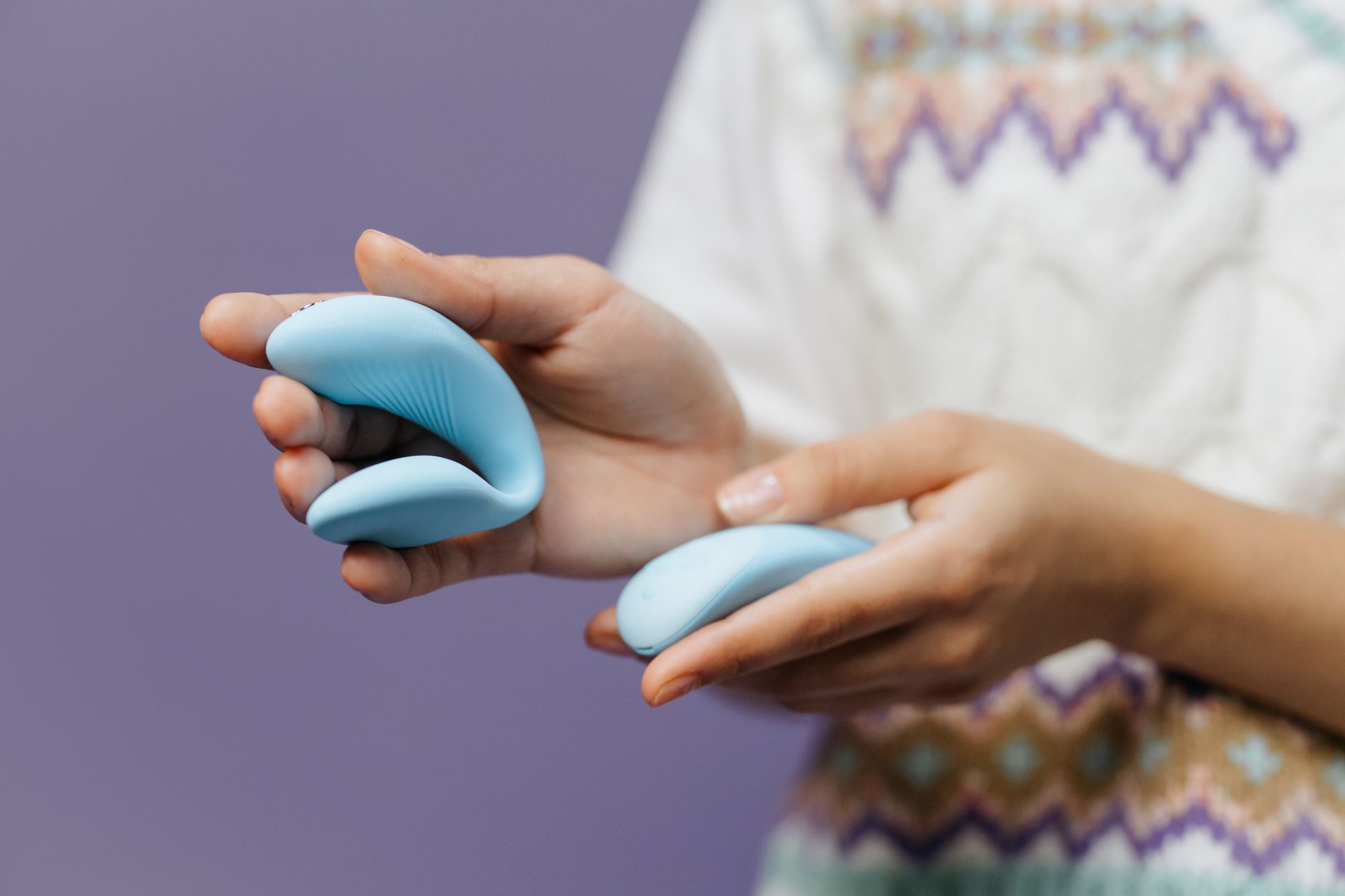
Lemon suction vibrators work differently. They create a gentle seal around the clitoris and then pulse suction in and out. Instead of relying on surface sensation, suction engages the internal nerve structures of the clitoris. The clitoris extends much deeper into your body than most people realize. Suction reaches those deeper nerve endings in a way that direct vibration sometimes can't when medication has dulled the surface response.
That means a Lem vibrator can stimulate pleasure pathways that medication has quieted without requiring you to fight the numbness with brute force.
The setup that actually works
Four practical changes to make this easier:
Start with longer warm-up time. If you normally spend five minutes on foreplay, add ten more. Medication-induced numbness means arousal builds slower. Budget thirty to forty minutes of touching, breathing, and mental engagement before you move to the toy.
Use water-based lubricant generously. Antihistamines especially dry things out. A good water-based lube (not silicone, which can damage the toy) helps the toy glide properly and creates more surface contact. Reapply halfway through.
Start on the lowest settings. Don't jump to the intense patterns hoping intensity will punch through the numbness. Start at pattern one or two and let your body acclimate. The suction works best when you're not fighting against stimulation that feels wrong.
Build the arc slowly. Spend three to five minutes at each intensity level before moving up. Your nervous system is relearning how to respond. Rushing it sends confusing signals.
The timing conversation with your doctor
Here's something worth knowing: if the medication is relatively new (less than twelve weeks), some sensation might return naturally as your body adjusts. Talk to your prescriber. Don't just stop the medication. But ask:
"If I'm experiencing sexual side effects, what are my options? Can we wait a bit longer for adjustment? Should we consider a different medication in the same class? Is a dose reduction possible?"
Some medications have less sexual impact than others in the same category. Sometimes switching from sertraline to bupropion, for example, can preserve your pleasure without sacrificing your mental health.
If staying on the current medication is non-negotiable (which it often is, because your mental health matters), then working with a lemon clitoral vibrator becomes part of your pleasure management strategy, not a workaround.
The solo versus partnered difference
If you have a partner, medication-induced numbness often creates a secondary problem: guilt or disconnection. Your partner might interpret the flattened response as lack of desire for them. It isn't. It's chemistry.
Having the toy conversation early matters here. Something like: "My medication has changed how sensation feels. I want to explore that with you. Would you be open to using a lemon vibrator together?"
Many partners are relieved. It's not about them being insufficient. It's about solving a problem together. And honestly, using a lemon vibrator with a partner present often feels less isolating than struggling alone.
When sensation comes back (or doesn't)
If you switch medications or adjust doses, sensation often returns within four to eight weeks. When it does, you might find that a Lem vibrator still feels better than what you were using before. Some people keep using it. Others move to a different toy. That's fine.
If you stay on the medication long-term, numbness can become your baseline. The goal isn't to feel exactly like you did before. The goal is to reclaim pleasure with the body you have right now.
Why this matters beyond sex
Pleasure isn't a luxury feature of being human. It's connected to your nervous system's ability to feel safe, to relax, to experience joy. When medication flattens that, it affects more than just sex. It affects your baseline mood, your stress resilience, your sense of being alive in your body.
Using a lemon clitoral vibrator isn't bypassing the problem. It's honoring your need for pleasure while you're managing something else that matters. Both can be true at the same time.

Photo by cottonbro studio on Pexels
FAQ: Medication, sensation, and pleasure
How long does it take for a lemon vibrator to help if sensation is muted?
Most people notice a difference within the first three to five sessions. You're not fighting numbness with intensity. You're using a tool designed to reach nerve endings in a different way. That said, if sensation is severely flattened, give it at least two weeks of consistent use before deciding if it's working. Your brain and body need time to rewire the pleasure pathway.
Can I use a lemon clitoral vibrator while taking antidepressants?
Absolutely. The vibrator works around the medication's effects, not against them. In fact, using a lemon suction toy while on an SSRI is often more effective than using a traditional vibrator, because suction engages deeper nerve structures that medication hasn't necessarily numbed as much as surface sensation.
Should I tell my doctor I'm using a toy to manage medication side effects?
You don't have to. But if you're also experiencing persistent numbness after six to eight weeks, and your doctor is considering switching medications, it's worth mentioning that you're working around the side effect actively. It gives them full context for whether a change is actually necessary.
Does switching to a lemon vibrator mean the medication is working less well?
No. Your mental health medication is doing its job. The numbness is a side effect, not a sign it's failing. Using a lemon clitoral vibrator to restore pleasure is separate from whether the medication is managing your mood or anxiety. They're parallel strategies.
If I feel sensation returning, should I stop using the lemon vibrator?
Not if you like it. Many people find that even as sensation returns, a lemon suction toy feels better than other options. Your pleasure preferences might shift with medication changes, and that's completely normal. Use what feels good.
What if nothing helps and sensation stays flat?
Talk to your doctor again. Sometimes it's worth trying a different medication class, lowering the dose, or adding something that counteracts sexual side effects (like sildenafil or bupropion). Pleasure is worth advocating for. If you've given lemon vibrators an honest try over three to four weeks and nothing is shifting, professional adjustment is the next step.
The bottom line
Medication numbness is frustrating and real. It's also not permanent, and it's not something you have to white-knuckle through. A lemon clitoral vibrator is a tool that meets your body where it is right now. It works with physiology, not against it. And it reminds you that pleasure matters enough to problem-solve for.
Your body deserves to feel good. Even when the chemistry is complicated.
If you want to explore how a lemon vibrator might work for you, or if you're trying to figure out whether sensation changes are medication-related, reach out to us. We're here to talk through it, no judgment.