Let's talk about what's actually happening
Clitoral numbness is wildly common. It's also wildly undertreated because most people assume it's permanent or just "how things are now." They're not. What you're describing isn't a broken clitoris. It's reduced sensation, and there are several things happening at the biological level that matter.
The clitoris is packed with over 8,000 nerve endings, but those nerves respond differently depending on hormone levels, blood flow, stress, medication, and past stimulation patterns. When sensation dulls, it usually means one of these factors has shifted. The good news? Sensation can be rehabilitated. The better news? Lemon vibrators and suction-based clitoral stimulation are specifically designed to rewaken those nerves.
Why traditional vibrators stop working when sensation fades
Most standard vibrators use direct vibration to trigger nerve response. When your clitoris is experiencing reduced sensation, direct vibration often feels muted or numb. You end up turning up the intensity, which can make the experience feel more like pressure than pleasure. It becomes a chore.
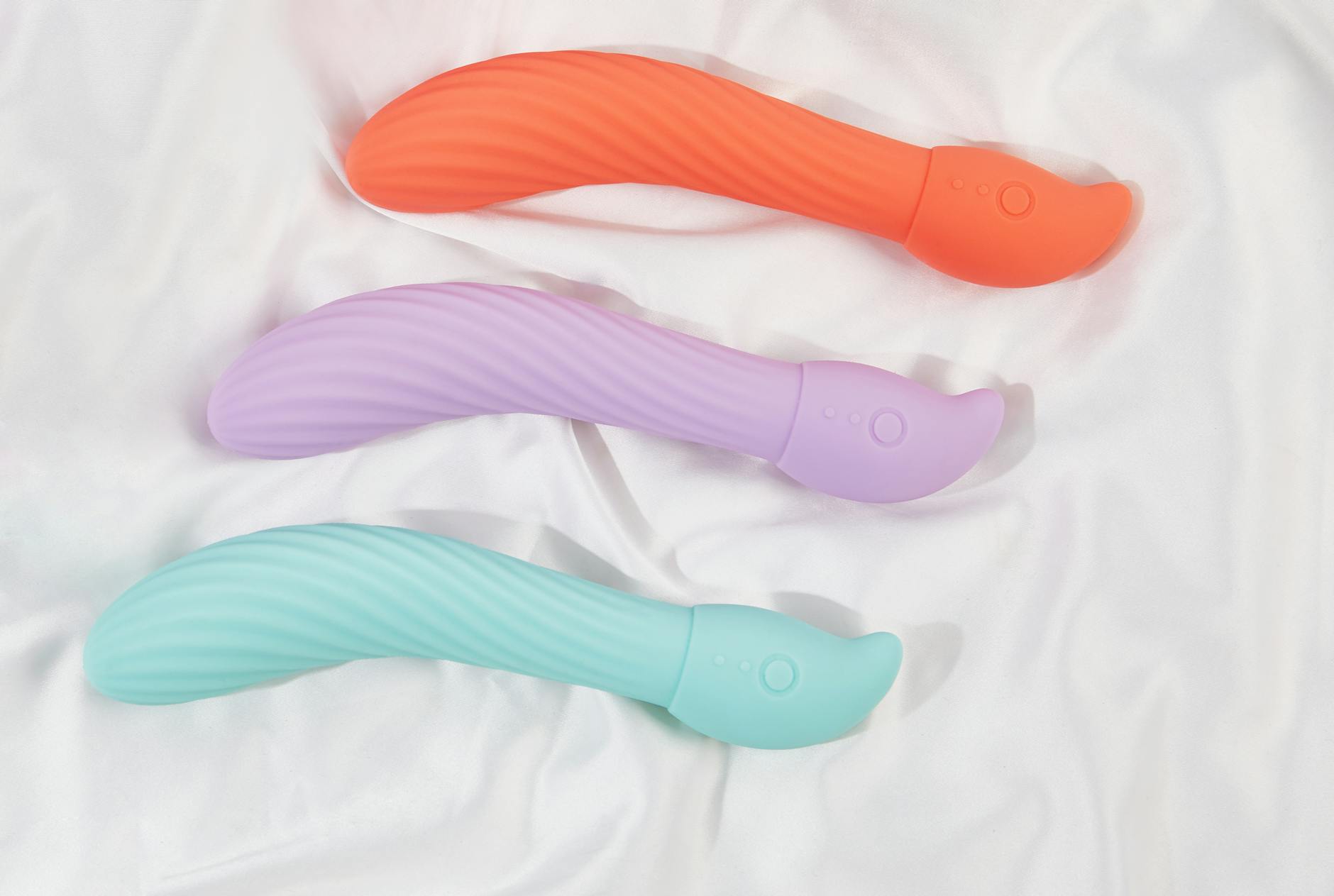
Lemon vibrators work differently. The suction design doesn't vibrate against the clitoris. Instead, it creates gentle negative pressure that pulls blood into the tissue, stimulating the whole clitoral structure from the inside out. This approach is far gentler on desensitized tissue and often reawakens sensation in ways traditional vibration simply can't.
Here's the clinical truth: when sensation is reduced, you need a stimulation pattern that doesn't rely on direct intensity to work. Suction does that naturally.
The three-part reset for restoring sensation
Restoring clitoral sensation isn't magic. It's a graduated return to pleasure that follows a specific pattern.
Part 1: Nervous system reset (days 1-3). If you've been using traditional vibrators at high intensity trying to feel something, your nervous system is exhausted. The first step is to stop seeking intensity and instead practice noticing. Use a lemon vibrator on the lowest setting for 2-3 minutes, just paying attention to what you do feel. Not what you expect to feel. What's actually happening. This recalibrates your brain.
Part 2: Circulation building (days 4-10). Use the suction toy 3-4 times per week for 5-10 minutes. You're not chasing orgasm yet. You're rebuilding blood flow to the tissue. Each time you use it, your body remembers the sensation a little better. You're essentially training your clitoris to wake up again.
Part 3: Integration (week 2 onwards). Once sensation is returning, add a small amount of movement. Use a lemon vibrator at pattern 2-3 while gently rocking your hips or adjusting position. Let your body relearn what pleasure feels like when it's present and attentive.
Starting with the right pattern and intensity
When using a lemon clitoral vibrator for reduced sensation, pattern choice matters more than intensity.
Most lemon vibrators come with multiple stimulation modes. Start with the gentlest, most rhythmic pattern. Not the most intense. Not the fastest. The one that feels most like a consistent heartbeat. Apply the toy to your clitoris directly or just above it, and spend time simply feeling that rhythm. This is not a performance. There's no timer. You're rebuilding a conversation with your body.
The suction creates its own intensity through pressure, not vibration speed. A lower vibration pattern combined with the natural suction effect is often more effective than high intensity with traditional designs. You're getting stimulation through multiple pathways at once: pressure, rhythm, and the gentle pulling sensation.
Lubrication and skin prep matter more than you think
With reduced sensation, texture becomes more important. The skin around your clitoris needs to be in good condition to feel the subtle sensations a lemon vibrator is offering.
Use water-based lubricant generously. Not because you need it for friction, but because it creates a consistent interface between the toy and your tissue. Inconsistent contact means inconsistent sensation. Smooth, well-lubricated contact lets you feel the suction design working.
If your vulva skin is dry or irritated, that dulls sensation further. Spend a few days moisturizing the area with a fragrance-free body oil or vaginal moisturizer before starting. If you have genitourinary syndrome of menopause or other tissue thinning, a topical estrogen cream prescribed by a doctor can dramatically improve sensation. Don't skip that step if your practitioner recommends it.
The role of mental attention and breathing
Here's the piece nobody talks about: reduced clitoral sensation is often tied to reduced mental attention. You've spent months or years not feeling much, so you've learned to check out mentally. Your nervous system has adapted.
When you use a lemon vibrator, bring your full attention. Not in a spiritual, breathwork way. In a practical, grounded way. Notice the pressure. Notice the rhythm. Notice where in your clitoris you feel it most. This deliberate noticing wakes up the neural pathways that carry sensation.
Breathing helps because tension blocks sensation. When you're tense, blood flow contracts. When you breathe fully and slowly, blood flows to the tissue, and sensation returns. Spend your first few sessions just breathing. In for four counts, out for six. Not because it's healing. Because it's practical.
Building sensation gradually over weeks
Clitoral numbness didn't happen overnight, and sensation won't return overnight. But it will return if you're consistent.
Week one: use the lemon vibrator 2-3 times for short sessions (3-5 minutes). Pattern 1. Lowest intensity. The goal is attention, not orgasm. Week two: increase to 3-4 sessions, 5-10 minutes each. You might move to pattern 2 if 1 feels dull. Week three: add variety. Try using it at different times of day, with different positions, with or without a partner. By week four, many people report that sensation is noticeably different. More present. More responsive.
If you're not seeing movement by week four, check in with a doctor. Sometimes reduced sensation points to something that needs medical attention. A gynecologist trained in sexual medicine can run simple tests and rule out hormonal issues, medication side effects, or nerve-related concerns.
When numbness is tied to medication or hormones
If your clitoral numbness started after you began a medication like an antidepressant or hormone therapy, that's worth discussing with your prescriber. Some medications dull sensation. Not all. Sometimes dosage changes or timing changes help. Sometimes switching to a different medication within the same class works better for your body.
Hormonal changes do genuinely affect sensation. Lower estrogen means thinner, less sensitive tissue. Lower testosterone means lower baseline desire and slower arousal. If you're in perimenopause, menopause, or dealing with hormonal contraceptive side effects, be honest about it. There are treatments that help. They're not all invasive. Some are topical. Some are systemic. The right one for you depends on your full health picture.
Partner communication if you're not alone
If you have a partner, this is a conversation, not a secret project. Let them know you're working on rebuilding sensation and that you're using tools to help. This isn't about them doing something wrong. It's about your body adjusting.
Many partners feel blamed or confused when sensation shifts. Clear communication prevents that. Something simple: "My body's sending quieter signals right now. I'm using techniques to help wake that up. This isn't about you or about pressure to perform. I'm just tending to my own pleasure."
Then give them permission to step back. Lots of people find that working alone with a lemon clitoral vibrator for a few weeks restarts sensation faster than partnered sex. That's normal. That's not rejection. That's focused rehabilitation.
FAQ: Restoring Sensation With Lemon Vibrators
How long does it actually take to feel sensation returning?
Most people notice the first shift within 7-10 days if they're consistent. A real difference in pleasure or responsiveness usually shows by week 3-4. Full restoration depends on what caused the numbness. If it's just overstimulation and stress, 4-6 weeks. If it's hormonal, it might take longer alongside other treatments. If it's medication-related, it depends on whether the medication can be adjusted.
Can you use lemon vibrators every day when rebuilding sensation?
You can, but you don't need to. Every other day is actually ideal because it gives your nervous system time to integrate the stimulation. Daily use can work, but many people see better results with a rhythm of 3-4 times per week with longer sessions rather than daily short bursts. Listen to your body. If you feel overstimulated or sore, back off.
What if suction doesn't feel like anything at first?
That's common. The first few times you use a lemon vibrator, you might feel the pressure without feeling pleasure. That's okay. You're still waking up the nerves. Keep going. By session three or four, most people start noticing that the sensation has texture to it. By week two, they're feeling it clearly. If after three weeks you feel absolutely nothing, check with a doctor. There might be a nerve-related issue or medication interaction that needs professional attention.
Does a lemon clitoral vibrator feel different than a traditional vibrator when sensation is reduced?
Yes, wildly. The suction design creates a broader, gentler stimulation pattern that doesn't depend on high intensity to register. Traditional vibrators require you to feel surface vibration. A lemon vibrator stimulates the whole clitoral structure through pressure, so even reduced sensation picks it up more easily. Many people who felt nothing with traditional vibrators are shocked to feel something with a lemon design immediately.
Should you stop using other vibrators while rebuilding sensation?
It's worth pausing them for a few weeks. If you're simultaneously using high-intensity traditional vibrators and trying to rebuild sensation with gentle suction, you're sending mixed signals. Give your nervous system 3-4 weeks to recalibrate with just the lemon vibrator. Then you can reintroduce other tools if you want.
What if numbness is from past sexual trauma?
Clitoral numbness tied to trauma is real and needs a different approach. Sensation often returns when you feel safe. This usually requires working with a trauma-informed therapist alongside any physical tools. A lemon vibrator can be part of that process, but the nervous system healing happens in the relationship you build with yourself and potentially a partner or professional. Don't skip the emotional work and expect the physical tools to solve it alone.
The honest ending
Reduced clitoral sensation is not a life sentence. It's a signal that something has shifted. Your body's not broken. It's just asking for a different approach. A lemon vibrator is that approach. Paired with attention, consistency, and often a little medical support, sensation comes roaring back.
Your pleasure is worth tending to. Not as a luxury. As a non-negotiable part of your health and connection to yourself. Start small. Pay attention. Be patient. The sensation is in there. It's just waiting for the right invitation.