Your body after stopping birth control is not the same body you had before
Honestly, this is the part nobody warns you about. You stop taking the pill, the patch, or the shot, and you're expecting to feel like yourself again. Sometimes you do. But often, you feel like someone entirely new is living in your body. Sensitivity heightens. Arousal patterns shift. The devices and routines that worked perfectly three months ago can suddenly feel too intense or oddly muted.
Here's what's actually happening: hormonal birth control suppresses or stabilizes your natural hormone fluctuations. When you stop it, your body spends weeks or months recalibrating. Your estrogen and testosterone levels spike and dip. Your clitoris becomes hypersensitive, or paradoxically, numbness creeps in. Your lemon vibrators and other clitoral vibrators need to be recalibrated too.
What happens to your clitoris when you quit hormonal contraception
Let's start with the physical reality. Hormonal birth control suppresses ovulation by maintaining steady levels of synthetic or bioidentical hormones. This keeps your natural estrogen and testosterone artificially stable. Your clitoral tissue depends on these hormones to maintain blood flow, nerve sensitivity, and that responsive swell you recognize as arousal.
When you stop taking it, hormonal fluctuation returns. For some people, this means exquisite heightened sensitivity. For others, particularly those who've been on the pill for years, it means initial numbness followed by eventual recalibration. A few weeks in, you might notice your clitoris feels fuller, more engorged, and more responsive than it has in years. Other people report tenderness they didn't expect.
Your vaginal microbiome also shifts. The pill alters your natural bacterial flora; when it stops, that flora rebalances. This can affect lubrication, comfort, and how your body responds to stimulation.
Why your favorite lemon clitoral vibrator suddenly feels different
Three mechanics are at work here.
First, your baseline sensitivity is recalibrating. A lemon vibrator that felt perfectly calibrated on birth control might feel too intense when your natural hormones surge. The suction mechanism on a clitoral vibrator creates sustained pressure, which feels wonderful when your tissue is at a stable baseline. But during the first month or two after stopping hormonal contraception, that same pressure might feel overwhelming.
Second, your arousal ramp is different. Birth control can dull the cognitive and physical experience of arousal building. Without it, your body might respond more quickly and more intensely to stimulation. This means less warm-up time feels sufficient, or conversely, you might need more time to settle into pleasure because you're adjusting to a new sensitivity baseline.
Third, pain sensitivity might increase or decrease unpredictably. Some people experience mild clitoral tenderness immediately after stopping hormonal contraception as their tissues adjust. Others experience the opposite: a surge of sensation that feels exquisite and new.
How to recalibrate your lemon vibrator routine during the transition
Don't assume your old settings are still your best settings. Here's what I recommend to clients:
Start with a lower intensity setting. If you've been using your lem vibrator on pattern 4 or 5, spend your first week at pattern 1 or 2. Yes, it feels less intense. That's the point. You're establishing a new baseline, not chasing the same sensations you had before.
Extend warm-up time. Even though arousal might come faster cognitively, your tissue needs time to respond. Spend 10 to 15 minutes with touch, foreplay, or external stimulation before using a vibrator. This gives your body space to calibrate without the shock of intense sensation.
Shift to lubrication focus. Post-pill, your natural lubrication patterns change. Your cervical fluid might look different; your overall vaginal moisture might fluctuate. Use a water-based lube generously. This isn't a sign that something is wrong. It's your body adjusting its chemistry.
Track your cycle. Once you stop hormonal contraception, you'll likely return to ovulating. Sensitivity varies wildly across your cycle. You might find your clitoral vibrator feels perfect on days 12 to 16 of your cycle and uncomfortable on day 3. After a few cycles, the pattern becomes obvious. When sensitivity is spiking, reduce intensity. When you're in the luteal phase and sensitivity is lower, you have room to experiment with higher settings.
Give yourself three to six months. This is not a quick recalibration. Your hormones are reestablishing their natural rhythm. Your neural pathways for pleasure are rewiring. Expecting to feel "normal" after two weeks will drive you crazy. Three to six months is the realistic window for true stabilization.
When post-contraception sensitivity spikes become uncomfortable
There's a difference between heightened sensitivity (which is often wonderful) and pain or irritation that genuinely interferes with pleasure.
If you're experiencing sharp pain, tenderness that doesn't resolve within a few weeks, or a burning sensation after using your clitoral vibrator, talk to a gynecologist. Sometimes stopping hormonal contraception unmasks underlying conditions like vulvodynia or contact dermatitis that the hormones were masking. Sometimes your body just needs a bit more time, but it's worth checking.
If sensitivity is heightened but not painful, the lemon sucker design of air-pulse vibrators like Hello Nancy's Lem actually works beautifully during this transition. Instead of direct vibration, which can feel overwhelming on hypersensitive tissue, suction stimulates nerves through gentler pressure. Many people find that switching to an air-pulse device during the first few months after stopping birth control feels more manageable than traditional vibration.
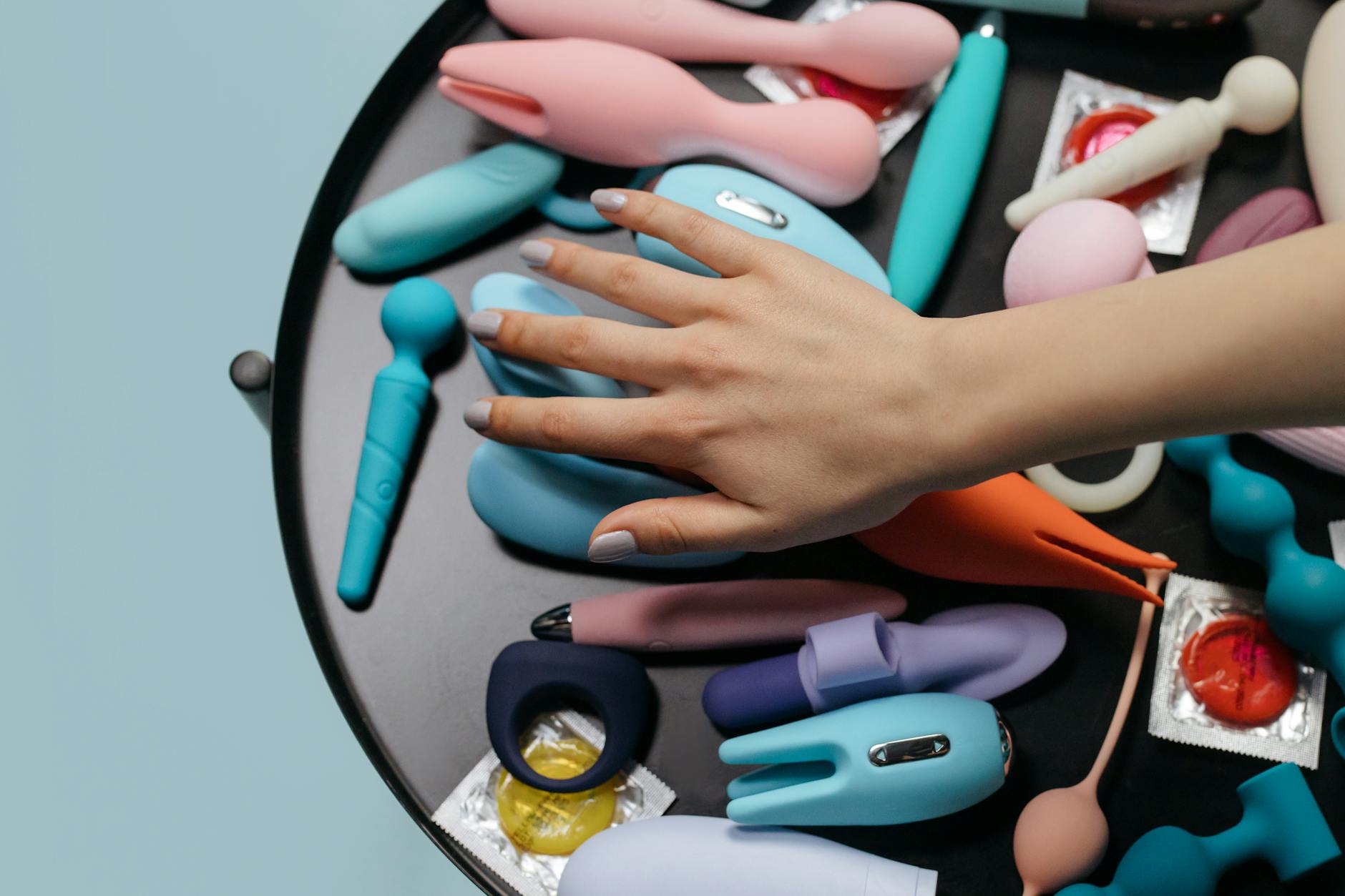 Photo by cottonbro studio on Pexels
The emotional and relationship dimension you probably aren't thinking about
Here's what nobody tells you: stopping hormonal contraception often affects desire and pleasure in ways that have nothing to do with your clitoris and everything to do with your brain.
Hormonal birth control can suppress sexual desire in some people. When you stop taking it, desire can roar back. People sometimes report feeling "normal" for the first time in years. Others report that their aesthetic preferences shift. Partners who seemed attractive suddenly feel less so. Fantasies that never landed start landing. Conversely, some people experience a dip in desire right after stopping, which is also completely normal as your nervous system recalibrates.
If you're in a partnership, this is worth a conversation. If your partner has gotten used to your pill-suppressed desire and you suddenly want sex more frequently, or vice versa, that mismatch needs acknowledgment. Using lemon vibrators solo gives you a chance to explore this new baseline privately before integrating it into partnered pleasure.
FAQ: what people actually ask about post-contraception pleasure
How long after stopping birth control does sensitivity return to normal? It depends on how long you were on hormonal contraception and your body's natural response. Most people notice stabilization within three to six months. Some people feel recalibrated in four weeks. Others take up to a year. There's no "abnormal" timeline here.
Should I switch vibrators after stopping the pill? Not necessarily, but you might. If your current device suddenly feels uncomfortable, yes, try something gentler like an air-pulse design. If it just needs intensity adjustment, keep using it and lower the settings. Some people find that having two options—a standard vibrator and an air-pulse vibrator—gives them flexibility as their sensitivity fluctuates.
Can I use my lemon vibrator during all phases of my cycle after stopping birth control? Yes, but you might want to adjust intensity. Most people find that the days right before and after ovulation are peak sensitivity. If your Lem or other clitoral vibrator feels too intense on those days, dial it back. On lower-sensitivity days, you have more flexibility.
Is increased or decreased sensitivity permanent? No. It continues to fluctuate across your cycle, just like it does for everyone with a menstrual cycle who isn't on hormonal contraception. You're not stuck with any particular baseline—you're returning to the natural variability your body was designed to have.
Should I be worried if my clitoris feels numb at first? Not necessarily. Some people experience temporary numbness as their nervous system adjusts. It usually passes within a few weeks. If numbness persists beyond two months or is accompanied by pain, check with a doctor. But temporary sensation shifts are normal.
Does coming off birth control affect lubrication permanently? No. Your natural lubrication will stabilize as your hormones stabilize. In the short term, your cervical fluid and overall moisture might look and feel different. Long-term, your body will find its rhythm. Using lube in the transition period is smart. You're not solving a problem; you're supporting your body through recalibration.
What comes next is often richer than what came before
Stopping hormonal contraception is a threshold. Your body is reclaiming access to the full spectrum of hormonal fluctuation it's supposed to have. That means deeper desire, richer pleasure, and yes, more complexity. Your clitoral vibrators aren't less effective during this transition. They just require a bit of attentiveness and adjustment.
Give yourself permission to explore slowly. Your lemon vibrators and other clitoral devices are excellent tools for learning how your body responds as it recalibrates. Take notes if it helps. Adjust intensity without shame. This is your body reclaiming its natural rhythm, and it deserves patience.
If you want personalized guidance on navigating this transition—whether solo or with a partner—we're here to help. Reach out at /contact and let's figure out what works best for your recalibrating body.