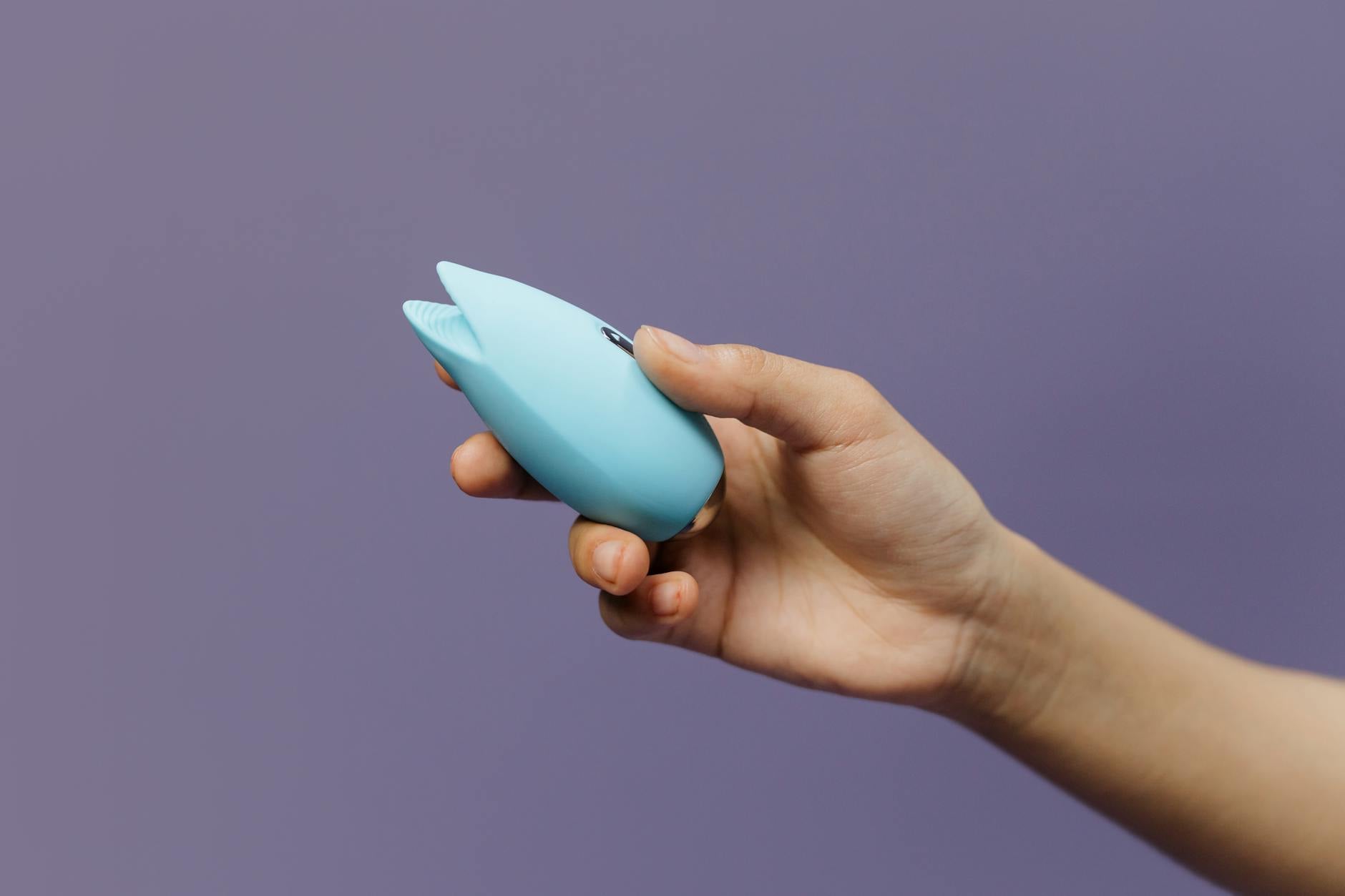
Here's the thing about vibration vs. suction
They're not the same sensation with a different name. They're fundamentally different ways your body experiences touch, and the wrong choice can mean weeks of frustration or, worse, deciding a tool "doesn't work for you" when really you just picked the wrong mechanism.
Let me break down what's actually happening when you use each one, so you can stop guessing and start knowing.
What vibration actually does to your tissue
A traditional vibrator moves back and forth (or in circles, or in patterns) at a specific frequency. This creates rapid, repetitive friction against your skin and the nerve endings just below the surface. Think of it like a phone on silent mode buzzing in your hand. The entire device is moving, and that movement is creating the sensation.
The benefit is speed. Vibration can build arousal quickly because the rapid stimulation fires your nerves in quick succession. For people who respond to direct, intense sensation, this is exactly what they need. The intensity is also easy to control with different patterns and speeds.
The drawback is tissue sensitivity. If your clitoris is already irritated, or if you have reduced sensation that needs gentler coaxing, sustained vibration can feel overwhelming or even numbing. Some people describe it as buzzing past pleasure into something sharper.
What suction actually does (and why it's weirdly different)
Suction doesn't move the same way vibration does. Instead, it creates a seal around your clitoris and then gently draws tissue upward and inward through rhythmic pulsing. This mimics oral sex more closely than any vibrator ever could because it's creating negative pressure, not just friction.
The sensation is gentler but also deeper. Suction works the nerve endings in a different way than surface-level vibration does. It's pulling sensation inward rather than pushing it across the skin.
For many people, especially those with highly sensitive tissue or those who need time to build arousal, suction feels less aggressive while somehow being more complete. The rhythm of suction patterns also tends to feel more like a heartbeat than like a buzzing phone.
Your body type matters more than you think
Clitoral anatomy varies wildly from person to person. Some clitorises are more exposed, some are hooded by tissue, some respond better to direct pressure, some prefer gentler contact.
If your clitoris tends to retract or hide under your clitoral hood, suction might actually work better for you because it can draw tissue out and create contact even when you're not fully exposed. If your clitoris is more prominent or easily irritated by direct touch, you might find suction feels less harsh because the sensation is more distributed.
Vibrational clitoral vibrators work best when your body can make direct, sustained contact. If positioning is awkward or if you need to keep moving to maintain sensation, vibration might frustrate you.
The arousal speed difference is real
Vibration typically gets you there faster. If you have 10 minutes and you know exactly what works, a vibrator often delivers orgasm more efficiently.
Suction often takes longer to build but can feel more sustainable. You can stay in that pleasure space longer without the intensity ramping up beyond what feels good. This matters if you're someone who likes to linger, or if you're rebuilding sensitivity after numbness or medication effects.
Neither is better. But if you've been frustrated with your previous toy, this timing difference might explain why. You picked a mechanism that doesn't match your body's arousal timeline.
Sensitivity is the biggest predictor
Here's what I've noticed working with people exploring different lemon vibrator and adult toy options: if your clitoris feels sensitive to direct touch right now, suction designs like the lemon sucker mechanism feel more approachable. They create contact without friction.
If your clitoris feels numb or desensitized, vibration often wins because you need that intense, rapid-fire input to register sensation. A traditional vibrator can be more effective at cutting through numbness because of how aggressively it stimulates.
That said, if you've been using vibration exclusively for years and sensation has plateaued, switching to suction for a few weeks can actually reset your responsiveness. Your nerves adapt to consistent input, and varying your stimulus helps them stay engaged.
The solo vs. partnered factor
If you're using a toy alone, you control everything. You can angle however you want, pause whenever you want, change speeds mid-session. This flexibility means either mechanism can work depending purely on what your body likes.
If you're using a toy with a partner, the ease of application matters more. Some partners find suction toys easier to use because the contact zone is more forgiving. You don't need exact positioning the way some vibrators require. Others find vibrators easier because they're less finicky and work well with movement.
If your partner has been hesitant about toys, a gentler suction sensation might feel less intimidating or jarring to introduce. That emotional component isn't trivial.
Budget and practicality
Suction toys tend to cost slightly more because the mechanism is more complex. Vibration has been around longer, so there's more price range variation. Neither type is inherently more durable if you care for it properly, but suction toys require careful cleaning around the seal to prevent mold.
If you're buying your first device, price alone shouldn't determine mechanism choice. But if you're testing the waters, a traditional vibrator might be the lower-stakes entry point.
How to actually test which one is for you
You don't have to buy two toys to figure this out. Here's what works: pay attention to how your body responds to partners, if you have them. Do you prefer oral sensation or pressure? Do you like sustained contact or varied rhythm? Do you need direct touch or are you sensitive to it?
If oral sensation is what gets you there, suction is probably your match. If firm, sustained pressure or varied vibrating patterns work, vibration is likely your thing.
You can also think about your masturbation habits historically. Have you always needed intensity to finish, or do you prefer gentler, longer builds? That pattern usually holds true whether you're solo or with a partner, and it's a good predictor of mechanism preference.
What if neither sounds quite right?
That's also totally normal. Some people do best with a hybrid approach, using a vibrator in one way and then switching to a different sensation mid-session. Some people need something that combines vibration with pressure. Some people find that their preference shifts depending on their cycle, stress levels, or relationship dynamics.
The point isn't to find the one perfect toy. It's to understand what your body actually responds to, so you can make intentional choices instead of just trying random things and hoping one works. Understanding the difference between lemon sexual toys with suction versus traditional vibration is the first step in that clarity.
People also ask
Does suction hurt if I have a sensitive clitoris?
Suction can actually feel gentler than vibration if you're sensitive because it's not creating friction. That said, suction strength matters. Start on the lowest setting and work up. If it still feels uncomfortable, vibration might be your better option. But many people with sensitivity find suction feels less harsh than they expected because the sensation is distributed rather than concentrated.
Can I use vibration and suction toys the same way?
Not quite. A vibrator can be used at any angle and with any pressure level you like. A suction toy needs a good seal to work, so you need to be more intentional about positioning and pressure. This is why some people find vibrators more user-friendly, especially if mobility is a concern or if you're using a toy with a partner.
How long does it usually take to orgasm with each type?
Vibration typically delivers orgasm in 5-10 minutes if you're responsive. Suction varies more depending on the person, but 10-20 minutes is common. If you take longer to build arousal, suction's gentler approach might actually help you relax into it. If you need efficiency, vibration is usually faster. This is why knowing your own arousal timeline matters.
Is one type easier to clean than the other?
Vibrators are usually simpler to clean because there's no seal to maintain. Suction toys need careful attention around the seal area to prevent mold. If you're buying a first toy and maintenance feels intimidating, a vibrator might be the easier choice logistically.
Can I switch between both types, or will my body adapt to one?
Your body can definitely use both. In fact, switching between them sometimes helps if one sensation starts to feel less effective over time. Your nerves adapt to repetitive stimulation, so varying your approach keeps sensation fresh. Many people find that alternating between vibration and suction every few weeks prevents plateau.
What if my partner thinks toys are intimidating or unnecessary?
That's a conversation separate from choosing a mechanism. But if your partner is hesitant, a gentler introduction through suction might feel less intense or threatening than vibration. Framing it as enhancing together rather than replacing is also helpful. If you need help navigating that conversation, we're here.
The real answer is just listening to your body
I work with couples and individuals rebuilding pleasure after all kinds of transitions, and the pattern I see is this: people who struggle with toys usually picked based on hype or price, not based on how their body actually works. You're more likely to have success when you understand what your nerves respond to and then choose a mechanism that matches that.
Suction and vibration aren't better or worse. They're different. One probably fits your body and your pleasure style better than the other. The lemon clitoral vibrators and adult toys available to you now give you real choices. Use that.
If you're still uncertain after reading this, or if you've tried both and something feels off, that's exactly what we're here for. Reach out and let's talk through what your body is actually telling you.