How Lemon Vibrators Help When You Need Solo Pleasure Time After Partnered Sex
Here's the thing nobody talks about
You can have great partnered sex and still need to finish alone. That's not a reflection of your partner, your relationship, or your capacity to be satisfied. It's just physics mixed with bodies being different.
Some people finish easily with a partner. Others need a specific rhythm, pressure, or consistency that's hard to sustain for another person. And sometimes your body needs something after partnered sex is already done. Not instead of. After.
I've worked with couples for decades, and this is one of the most common things people whisper about in shame but never actually say out loud. Let me be clear: it's not shameful. It's smart. And it's fixable with honesty and a tool that works.
Why partnered sex and solo satisfaction aren't the same thing
There's a neurological reason this happens. Partnered sex engages your brain differently than solo pleasure does. You're managing another person's experience, monitoring their pleasure, timing your responses to theirs. Your nervous system is in a relationship state, not a pure pleasure state.
Add in the physical reality: hands get tired, angles shift, the rhythm your body needs might not match the rhythm that works for your partner. Or you need something gentler, or sharper, or more sustained than they can physically give. None of that means they're not good at sex. It means your body is having a different conversation than theirs.
The lemon clitoral vibrator is designed for exactly this. It's not a replacement for partnered sex. It's a continuation of it. A solo tool that does one thing beautifully: deliver consistent, focussed stimulation without the negotiation your partner's body requires.
The guilt conversation (and why it's unnecessary)
Here's where most couples get stuck. One person needs solo time after sex, and the other person feels rejected or inadequate. Both feelings are understandable and both are misdirected.
If you're the person who needs solo pleasure time, guilt usually shows up as silence. You don't mention it. You lie in bed pretending you're satisfied. Or you mention it once, your partner reacts badly, and you never bring it up again. That silence then becomes a pattern, and a pattern becomes a resentment.
If you're the partner, the reaction usually comes from a place of self-doubt. "If they needed that, I must not have been enough." That's not how bodies work. Bodies are not competitions. Your partner's need for solo time has nothing to do with your adequacy.
The fix is a conversation that separates two different things: your partnered sex life and your solo pleasure. These are not statements about each other. They're both valid. You can have excellent partnered sex and still want to explore solo sensation. Both can be true.

Photo by Madison Inouye on Pexels
What a lemon vibrator actually solves
A lemon vibrator isn't solving a broken relationship. It's solving a physics problem. Your body needs stimulation that's consistent, adjustable, and doesn't require another person to maintain.
Lemon clitoral vibrators use suction technology instead of traditional vibration. That matters because it creates a sustained sensation that mimics the way some bodies naturally respond. Instead of rapid vibration, suction builds slowly and deeply. You control the intensity. You control the pattern. You control when it ends.
For people who struggle to finish with a partner, this changes everything. You're not waiting for timing. You're not managing another person's hand. You're having a direct conversation with your own body.
Many of my clients report that after using a lemon sucker, they actually improve their partnered sex too. Why? Because they've learned what their body actually needs. That information makes partnered sex better, not worse.
How to ask your partner without turning it into a fight
Timing matters. You don't have this conversation right after sex. You have it at a neutral moment, maybe over coffee, when neither of you is vulnerable.
Start with what's true: "I love sex with you. I also discovered that sometimes after we have sex, I need some solo time to fully finish. It's not about you. It's about my body needing something specific."
Then show them. Don't describe it in theory. Get a lemon clitoral vibrator, use it solo a few times, and then mention it naturally. "I've been using this tool, and it's actually helped me understand my body better. I wanted you to know in case you notice I'm taking some solo time after we have sex sometimes."
If your partner still reacts poorly, that's worth examining. But in my experience, most partners feel relieved. Because it takes pressure off them. They don't have to be the only source of your pleasure. That's actually liberating for both people.
The rhythm difference (and why consistency matters)
One thing I see constantly: people with vulvas need a specific rhythm to finish, and maintaining that rhythm during partnered sex is hard. Your arm gets tired. Your angle shifts. The moment breaks.
When you use a lemon vibrator solo, you can hold that rhythm for as long as you need. Ten minutes, twenty, an hour. It won't fatigue. It won't stop because another person's body needs something else.
That consistency is part of why lemon sexual toys work so well. Suction technology builds sensation gradually. There's no overwhelming intensity at the start. Your arousal actually gets to develop. That's different from traditional vibration, which can feel intense immediately.
Building solo pleasure into your relationship rhythm
There's a difference between occasional solo pleasure and it becoming your default. If you're having partnered sex and then immediately going to solo time every time, that's worth examining with a partner or a therapist. That pattern might signal something deeper.
But if it's occasional? If sometimes you need it and sometimes you don't? That's healthy. That's normal. That's your body having agency.
I recommend treating it like any other part of your sexual health. It's not something to hide or feel guilty about. It's something to integrate. Maybe you use a lemon vibrator twice a week. Maybe once a month. Maybe only after partnered sex sometimes. The pattern itself matters less than the honesty around it.
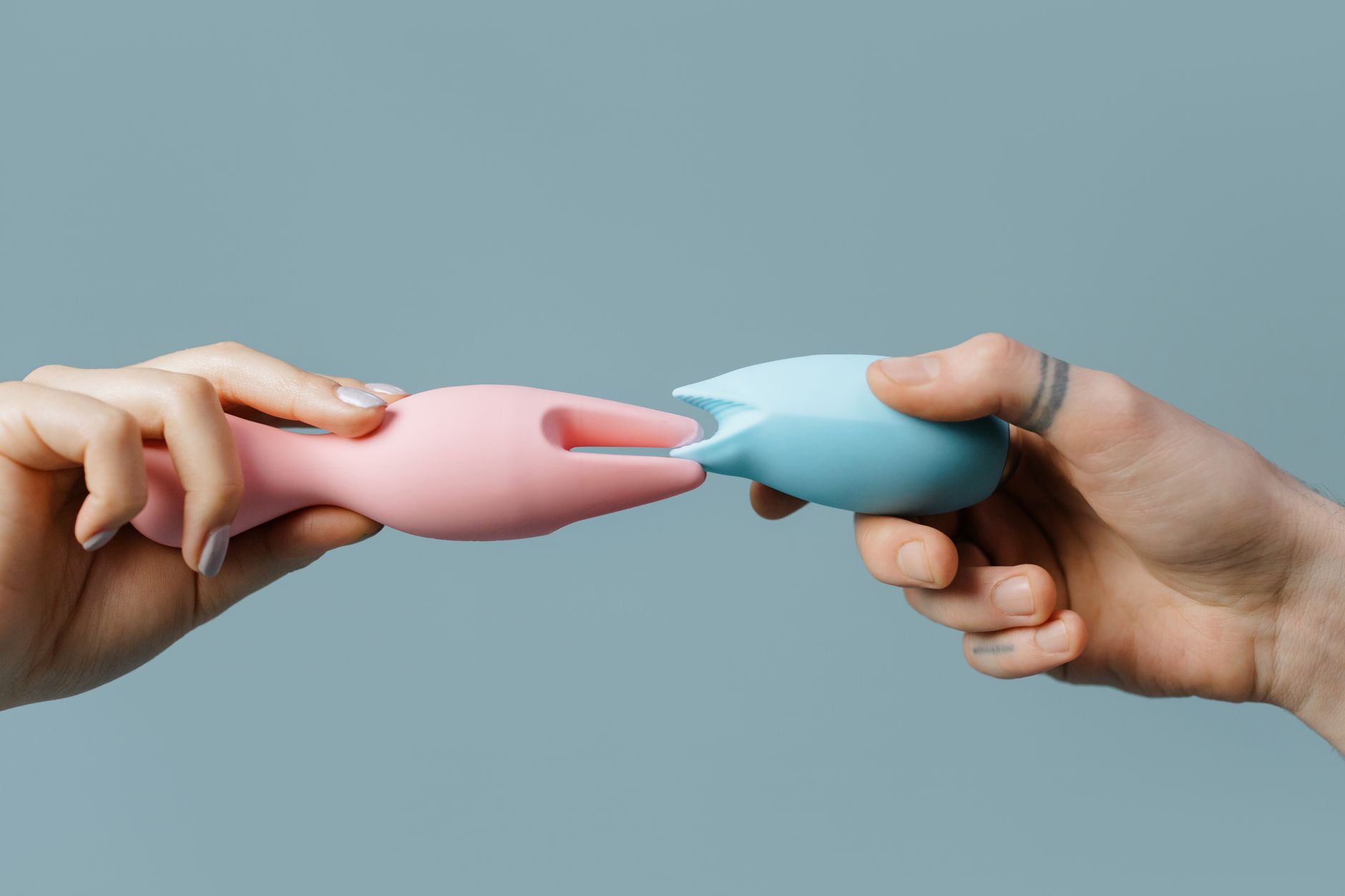
Photo by cottonbro studio on Pexels
What changes when you normalize this
Once you and your partner talk about solo pleasure openly, a weird thing happens: the relationship actually improves. Why? Because you're not carrying resentment. You're not pretending. You're not silently frustrated.
Your partner doesn't have to be anxious about whether you're satisfied. You don't have to lie. You both get to want what you want without it being a referendum on the other person's adequacy.
For people working through relationship distance or conflict, this conversation is especially important. If you're trying to rebuild intimacy after long-term relationship distance, solo pleasure time isn't the enemy of connection. It's actually part of reclaiming your individual autonomy while also rebuilding partnered sex. Both can happen.
Same thing if your partner experiences pain during sex. If penetration or certain positions hurt them, that doesn't mean your pleasure has to end. Solo time with a lemon clitoral vibrator means you both get to have satisfying sex lives without either of you suffering.
When to use lemon vibrators specifically
Not every solo situation calls for a lemon clitoral vibrator. But there are specific times when suction technology works better than vibration.
If you find traditional vibrators overstimulating after partnered sex, suction is gentler. If you've been desensitized to vibration, suction creates a different sensation pattern. If you need to build arousal slowly instead of jumping into intensity, suction wins.
A lemon vibrator also works well if you're someone who needs sustained pressure rather than rapid movement. The way suction builds matches that need perfectly.
FAQ: Solo pleasure after partnered sex
Is it normal to need solo time after having sex with a partner?
Completely normal. Many people need solo pleasure after partnered sex because the sensations, rhythm, or intensity they require are different from what partnered sex provides. Your body having specific needs doesn't mean your partner isn't meeting you halfway. It means your body is complex.
Will using a lemon vibrator make me want partnered sex less?
No. Actually the opposite often happens. When you understand your body better through solo exploration, you bring that knowledge into partnered sex. You can communicate what works, adjust positions, guide your partner. That makes partnered sex better, not worse.
How do I tell my partner I need solo pleasure time without hurting their feelings?
Frame it as a discovery about your body, not a complaint about theirs. "I've learned I sometimes need this tool after we have sex to fully finish" is different from "You don't satisfy me." The first is about you. The second is about them. One is true and honest. The other feels like rejection even if that's not your intent.
What's the difference between a lemon vibrator and regular vibrators for solo use?
Lemon clitoral vibrators use suction technology instead of vibration. That creates a slower, deeper sensation that builds gradually. For people who find traditional vibrators too intense after partnered sex, or who have been desensitized to vibration, suction is a different experience entirely. It's worth trying if vibration hasn't worked for you.
Is it selfish to want solo pleasure time?
No. Having agency over your own pleasure is the opposite of selfish. It's healthy. Selfish would be expecting your partner to provide sensations their body can't sustain, or refusing to communicate what you actually need. Solo pleasure time is honest communication happening through action.
Can my partner be involved in my solo time if I want?
Absolutely. Some people use lemon vibrators while their partner watches, touches them elsewhere, or participates in other ways. There's no rule that says "solo" has to mean alone. It just means you're using a tool designed for your individual stimulation. How your partner fits into that is up to you both.
Here's what actually matters
Your body isn't broken. Your relationship isn't failing. You're just a person whose pleasure sometimes needs something specific. That's not weakness or inadequacy. That's information.
The couples I work with who normalize solo pleasure are actually the ones with the strongest long-term relationships. Why? Because they're not pretending. They're not carrying silent resentment. They're not expecting one person to be everything.
You can want your partner and want solo time. Both are real. Both are valid. A lemon vibrator just makes that easier to sustain without guilt.
Ready to explore? Start the conversation. Not with the toy. With the truth. Then let the tool follow naturally.
If you're working through bigger relationship patterns around pleasure or intimacy, reaching out might help. Sometimes these conversations need a little professional guidance.
References and further reading:
This post draws on relationship research from the Gottman Institute on communication patterns around sexuality, clinical observations about physiological differences in sexual response, and evidence-based couple therapy approaches to normalizing individual pleasure within partnered relationships. For additional questions about your specific situation, consult with a licensed therapist or sex educator.