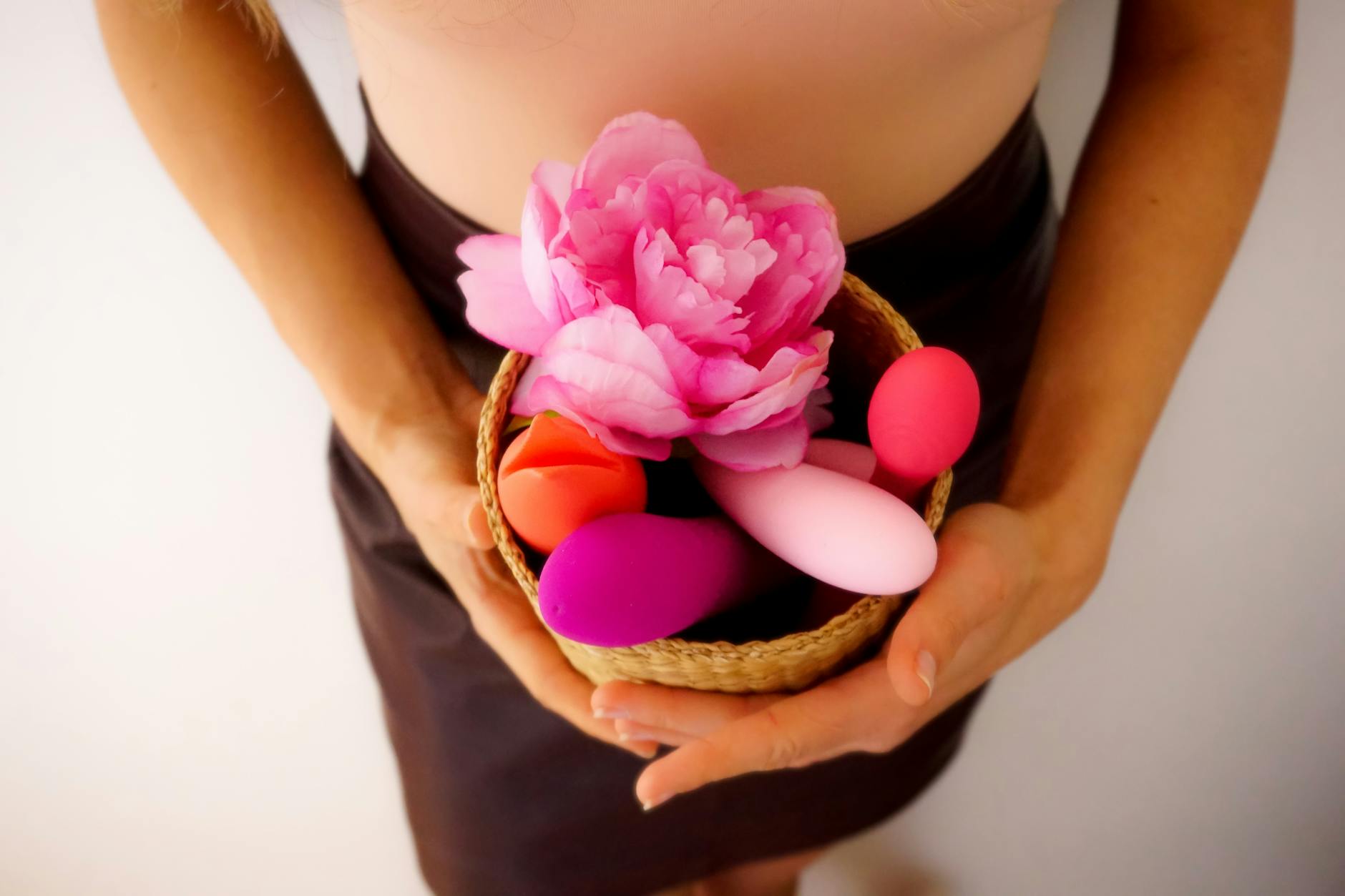
Your clitoris changes. A lot. And that's completely normal.
Here's the thing nobody tells you about your body. Your clitoris doesn't exist in a constant state. Hormones shift. Blood flow changes. Nerve sensitivity rises and falls. This isn't a problem. It's just how your body works. But if you've noticed that vibrator settings that felt perfect last week now feel too intense, or that you need more stimulation halfway through your month, you're not imagining it. You're noticing something real.
The challenge is that most vibrators aren't designed for this fluctuation. They offer one speed, one intensity, one sensation. Your body, though, needs different things at different times. Lemon clitoral vibrators work differently because suction-based stimulation naturally adapts to your sensitivity as it changes throughout your cycle.
The real science of cyclical sensitivity
Estrogen and progesterone don't just affect mood or energy. They directly change how your clitoris responds to touch. During the follicular phase, when estrogen is rising, your clitoral tissue becomes more engorged with blood. The area feels more sensitive, more responsive, sometimes almost tender. You might prefer lighter touch or lower-intensity stimulation during this window.
After ovulation, progesterone rises. Your clitoris becomes less engorged. The tissue firms slightly. Blood flow shifts. This is when many people find they actually want more direct intensity. The clitoris feels less reactive on the surface, so deeper, steadier stimulation often feels better.
Then, a few days before menstruation, everything changes again. Hormone levels drop sharply. Inflammation can increase. Your clitoris might feel swollen but hypersensitive, or numb and distant. There's no one experience. This is where most standard vibrators fail because they can't adapt on the fly.
Why suction works across your entire cycle
Suction-based clitoral vibrators like the Lem operate on a different principle than traditional vibration. Instead of direct oscillation against tissue, suction gently draws the clitoris into a chamber, stimulating the entire area without harsh friction. This design feature matters enormously when sensitivity fluctuates.
During your high-sensitivity days, you can use the Lem on lower patterns. The suction still engages the full clitoral structure without that concentrated, sometimes overwhelming pressure of a standard vibrator. You get sensation without overstimulation.
During your low-sensitivity phase, you can increase the pattern intensity. The suction adapts. It's not just vibrating harder at the same spot. It's creating a different kind of stimulation altogether. Many people find this gentler approach actually builds stronger orgasms across the cycle because it works with your body instead of against it.
Mapping your cycle to your pleasure settings
Because lemon clitoral vibrators offer multiple intensity patterns, you can create a personalized rhythm that matches your cycle. Here's a framework that works for many people.
Follicular phase (days 1-14). Estrogen is climbing. Your clitoris is more engorged. Try patterns 1-3 on your Lem for the first week. This keeps stimulation gentle. Around day 10-14, as sensitivity stays high but your confidence in what you want grows, experiment with pattern 4. You'll likely find a sweet spot here.
Ovulation window (days 12-16). Estrogen peaks right before ovulation, then progesterone starts rising. Your body wants more. Switch to patterns 4-5. This is often when people report the easiest, most intense orgasms. Your body is primed for it. Use this window.
Luteal phase (days 17-28). Progesterone dominates. Sensitivity drops. You might feel less reactive to external stimulation. This is when people often abandon pleasure work altogether, and that's a mistake. Your body still wants touch. It just needs something different. Try patterns 5-6. The increased intensity compensates for the lower baseline sensitivity. Many people find their deepest, most satisfying orgasms happen here because they're not chasing that high-estrogen reactive feeling anymore.
The consistency problem most people miss
One pattern people notice when using lemon vibrators across their cycle is that consistency matters more as sensitivity drops. During the follicular phase, a few minutes on pattern 2 might be enough. During the luteal phase, you might need 15-20 minutes on pattern 5 to build the same experience.
This isn't a problem. It's information. Your nervous system is telling you something about where you are in your cycle. Instead of fighting that, work with it. Set aside a little more time in the second half of your month. Use that extra time to connect more deeply with yourself. This isn't about chasing the same orgasm every time. It's about meeting your body where it actually is.
What to do when sensitivity swings feel extreme
Some people experience really dramatic swings. One week they're barely able to tolerate direct touch. The next week, nothing feels like enough. If your fluctuations are this pronounced, a few adjustments help.
First, lube is your friend across the entire cycle, but especially during low-sensitivity phases. Water-based lube reduces friction and often makes suction-based stimulation feel more comfortable when your tissues are less reactive. It's not cheating. It's adapting.
Second, warm-up time matters more during luteal phase. Spend 10-15 minutes on non-genital touch before you even consider starting a clitoral vibrator. This primes your nervous system. By the time you bring in the Lem, you're already partway there.
Third, consider external factors. Stress, sleep, hydration, and overall cycle health all affect sensitivity on top of your hormones. You might have a particularly flat week because you're sleep-deprived or stressed. That's not a vibrator failure. That's you being human. When pleasure builds slowly after hormonal changes, sometimes the solution isn't a stronger toy. It's better rest.
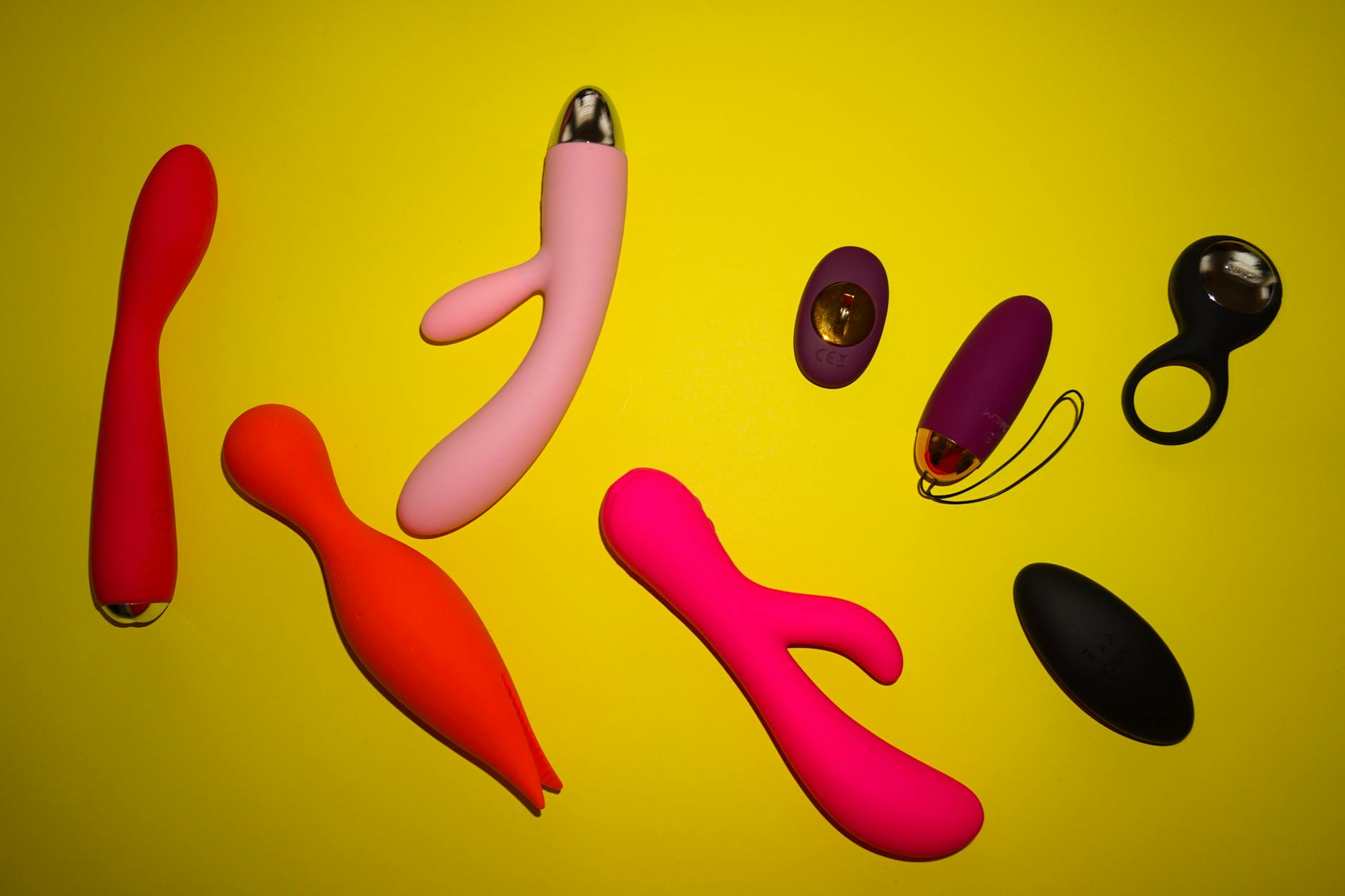
Photo by DRT.fm on Pexels
The partner conversation, if that applies
If you have a partner, your cycling sensitivity probably affects partnered pleasure too. The conversation isn't "my body is broken." It's "my body changes, and that's beautiful. Let's explore it together."
Some people find that using a lemon clitoral vibrator with their partner becomes a way to check in with themselves. "This week I need pattern 3," you might say. "Next week, probably 5." This removes the guessing game. Your partner doesn't have to wonder if they're doing something wrong. You're providing data. You're communicating.
For partners nervous about introducing toys into partnered sex, this cycling sensitivity can actually be a relief. It shifts the focus from performance to collaboration. You're both learning what your body needs. That's intimate. Using lemon vibrators when your partner has different sensation preferences works best when you're both clear about the "why."
Building a cycle-aware pleasure practice
Instead of expecting yourself to have the same experience every time you use a vibrator, try treating your cycle as a map. Track which patterns feel best in which phases. Notice if certain patterns always work, or if they truly do shift. Over two or three cycles, you'll develop intuition about what your body wants when.
This isn't about optimization or turning pleasure into a data project. It's about self-knowledge. The more you understand your own sensitivity landscape, the easier it gets to meet yourself there. Lemon clitoral vibrators give you the tool because they have the range built in. Your body has always had this knowledge. You're just finally speaking the same language.
People also ask
Can your clitoris become numb if you use the same vibrator setting every week?
Desensitization is possible, but it's usually about using the exact same intensity for too long in one session, not about varying it across your cycle. Using patterns 1-3 for a week, then switching to 4-6 the next week, actually prevents numbing because you're giving your nerve endings different input. Variety protects sensitivity over time.
Is it normal for your sensitivity to change this much with your cycle?
Completely normal. Hormone fluctuations directly affect blood flow, tissue thickness, and nerve responsiveness in your clitoris. If you have a 28-day cycle, you should expect noticeable sensitivity shifts roughly every 7-10 days. If your shifts feel more extreme than you think they should, chat with a gynecologist, but mild to moderate fluctuation is textbook.
Should you use a lemon vibrator more during low-sensitivity phases?
Not necessarily more frequently, but probably with higher intensity and for longer sessions. During luteal phase, your body might need pattern 5 for 20 minutes to reach the same place pattern 3 got you to in 10 minutes during follicular phase. That's not a problem. It's adaptation.
Can stress make your cycle sensitivity worse?
Absolutely. Cortisol and adrenaline both suppress the hormones that regulate your cycle. A stressful week can flatten your sensitivity even more than your luteal phase usually does. This is why sleep, boundaries, and basic stress management actually improve your pleasure life. They're not separate from sexual health. They are sexual health.
Do all vibrator types adapt to cyclical sensitivity?
Suction-based vibrators like those made by Hella Nancy Lems adapt better than traditional bullet or wand vibrators because the mechanism itself is gentler and works differently at different intensities. With traditional vibrators, increasing speed often just means more of the same sensation. With suction, changing patterns genuinely changes the type of stimulation. That flexibility matters when your body is changing.
What if your sensitivity doesn't follow a predictable pattern?
Some people have cycles that don't follow the typical 28-day template. Some are on hormonal birth control that flattens sensitivity shifts. Some have underlying conditions that complicate the picture. If your sensitivity feels chaotic or unpredictable, tracking it for a few months often reveals patterns that aren't obvious at first. If it stays chaotic after tracking, a conversation with a reproductive endocrinologist can help rule out anything that needs attention.
The real takeaway
Your pleasure isn't one thing. It's a moving target that changes with your body. That's not a limitation. That's the gift of having a cycle. You get to experience pleasure in different ways, different intensities, different timings. Most pleasure products assume you're always the same. Lemon clitoral vibrators work because they have the range to meet you wherever you actually are, week to week. That flexibility is what makes them genuinely useful across your whole month, not just your best days.